60 HzUSA EPA
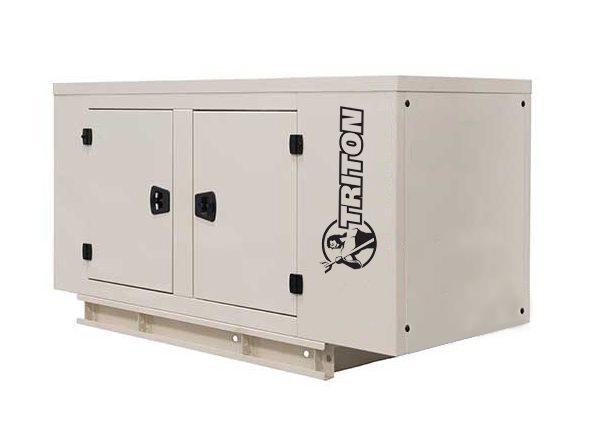
40 kW Triton Natural Gas Generator TP-NG40-S-K-UL EPA – UL Listed
TP-NG40-S-K-UL
Engine PSI Engine 4.3L
- Standby
- 40 kW / 50 kVA
- Prime
- 34 kW / 44 kVA
Natural gas / LP · 60 Hz
Commercial & Industrial Power Equipment Worldwide
PSI / GM engines and natural gas or LP fuel set the 3 units on this page apart from the diesel sets of the same size.
Filter by power, engine, frequency, market eligibility and configuration to find the right unit.
60 HzUSA EPA
TP-NG40-S-K-UL
Engine PSI Engine 4.3L
Natural gas / LP · 60 Hz
60 HzUSA EPA
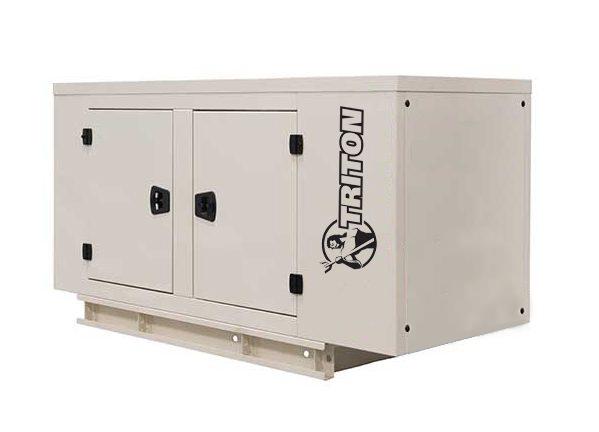
TP-NG80-S-K-UL
Engine PSI Engine 5.7LT
Natural gas / LP · 60 Hz
60 HzUSA EPA
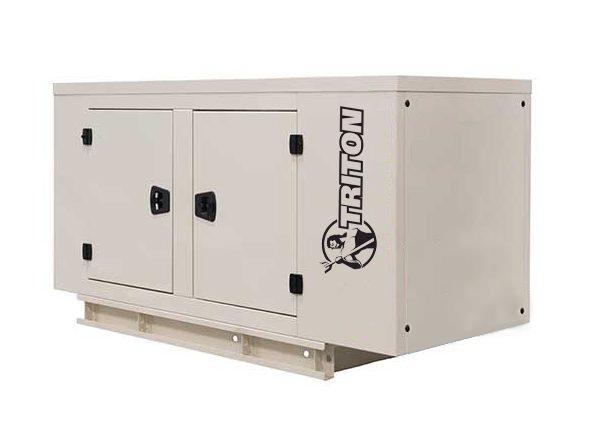
TP-NG100-S-K-UL
Engine PSI Engine 5.7LT CAC
Natural gas / LP · 60 Hz
Showing 3 of 3
No products match these filters.
Many units can be configured to the specification you need. Ask about a custom configuration or .
Five questions that decide which unit fits. Each unit's page has its full published specifications.
A standby rating is for backup duty: the generator starts when utility power fails and carries the load until the grid comes back. A prime rating is for sites where the generator is the main source of power, running for long periods while the load rises and falls.
1 of the 3 units here publish both ratings; on each of them the standby rating is the higher figure.
Generators are rated in kVA and kW. kVA = kW ÷ power factor, and generator ratings typically use a power factor of 0.8. A few units are published with other ratios, so always use the unit's own kW and kVA figures. International ratings are often quoted in kVA: switch this list between kW and kVA in the toolbar.
Generator frequency has to match the local grid and the equipment on it. Grids in North America run mainly at 60 Hz, while Europe and much of Asia and Africa run at 50 Hz. Set the project destination above to see its grid frequency.
Of the 3 units here, 3 at 60 Hz.
Each unit's page lists the configurations it is offered in, with dimensions and weights where published.
EPA generatorsTier 4 Final generatorsExport generatorsDo you need a Tier 4 generator?
PSI / GM engines and natural gas or LP fuel set the 3 units on this page apart from the diesel sets of the same size. Listed as 0-100 kW Natural Gas Generators, these Triton sets carry standby ratings from 40 kW to 100 kW, and all 3 produce 60 Hz power, the standard frequency across most of North America. Each one carries the USA EPA-certified label.
When comparing these sets with equipment specs quoted in kVA, divide the kW figure by the power factor. Generator ratings are usually stated at 0.8 power factor, so the kVA number comes out higher than the kW number; the kW to kVA calculator does the arithmetic. Keep in mind that the listed figures are standby ratings for backup use, and the prime rating, which applies when a set is the main supply over long periods, is lower.
For gas units in other sizes, see the broader natural gas and LP generators category. Our team can help confirm the right unit; send your requirements through the quote form.
Tell us your required power, destination and application. Our team can help identify the right generator.