
How Hurricanes Form and the Storms of the 2016 Season
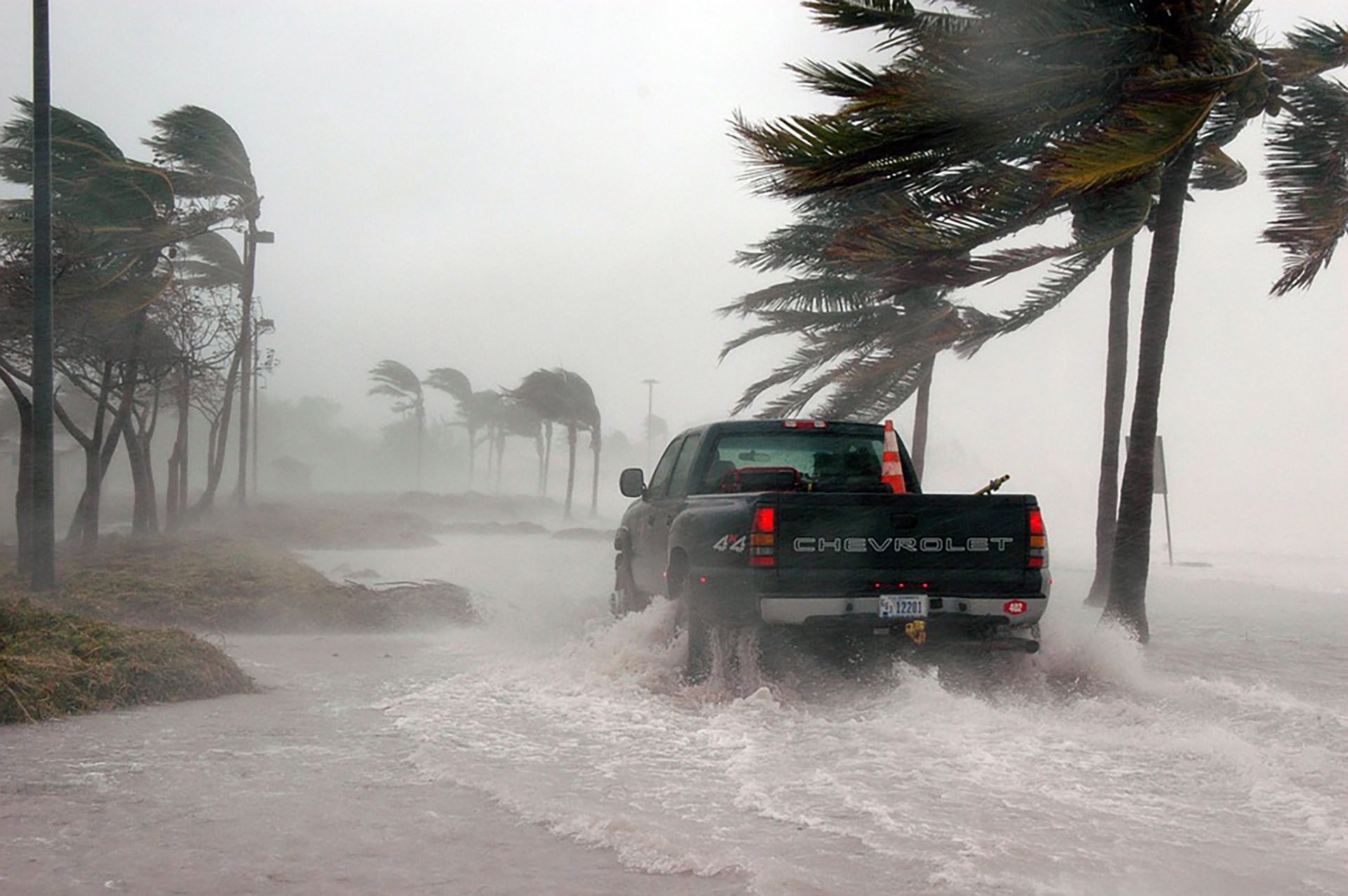
A hurricane begins when gusts of wind pick up heat and energy over the open ocean. As pressure builds, the storm takes shape and spins counter-clockwise around its eye, the calmest part of the system, where winds are light and the weather is fair. A fully developed hurricane can span 600 miles, move along at between 10 and 20 mph and produce winds anywhere from 75 to 200 mph.
Officially, the 2016 hurricane season opened on June 1 and was set to run until November 30. This is the period when the most hurricanes develop in the Atlantic basin. Hurricanes do not form only during the official season, though; some have developed as early as mid-January.
- Alex became a subtropical storm on January 13. On January 17, a larger extratropical cyclone over the southern Labrador Sea absorbed it.
- In May, an area of low pressure strengthened into Tropical Storm Bonnie. Bonnie came ashore at Charleston, South Carolina, and dry air and strong winds weakened it to a tropical depression. When conditions turned favorable, Bonnie regained tropical storm strength, then weakened again and broke up over the following days.
- Early in June, a low-pressure system moved into the Caribbean Sea. It was designated Tropical Depression Three on June 5 and later strengthened into Tropical Storm Colin, holding that intensity until June 14, when it merged with another extratropical cyclone.
- On June 14, a tropical wave crept across the Yucatan Peninsula. Over the warm waters of the Bay of Campeche it produced Tropical Depression Four, which kept strengthening until June 20, when it was named Tropical Storm Danielle.
- August brought two more tropical storms. Earl came ashore in Belize on August 4, and on August 17 a tropical depression off Africa's west coast was upgraded to Tropical Storm Fiona.
When this was written, a large part of that season was still to come, so more tropical storms and possibly hurricanes were expected later in the year. Planning ahead is how you get ready for a natural disaster. A commercial generator can help keep your family protected.
Deadly Hurricanes in U.S. History
Several deadly hurricanes have struck the United States over the years. The Great Galveston Hurricane of 1900 ranks among the worst, with deaths estimated at 8,000. About 3,000 people are thought to have died in the Okeechobee Hurricane of 1928. The most recent of these deadly storms was Hurricane Katrina in 2005, with an estimated death toll of 1,500. Inland, Katrina brought 12 inches of rain, and it spawned more than thirty tornadoes. Although Katrina ranks only third among the country's deadliest hurricanes, it is considered the costliest, causing more than $100 billion in property damage.


