
9 Ways to Ready a Home or Small Business for Cold Weather
Winter brings months of cold weather to much of the US every year, so preparation matters. Getting a home or small business ready is not hard, and it should cover more than freezing temperatures, since the season brings other hazards too.
Nine Steps to Take Before Winter Arrives
- Learn how the National Weather Service classifies winter weather. Knowing how an advisory, a watch, a warning and an outlook differ helps you get ready. Follow weather alerts and treat even an outlook seriously; it gives you time to collect supplies and rearrange travel if severe winter conditions do reach your area.
- Expect storms to last. Snow, ice, high winds and bitter cold can persist for days. Plan for several days without power, heat or communications, and without a way of getting to a store for fuel or groceries.
- Prepare your generator for the cold. Get your backup power system ready for low temperatures and snow so it starts when utility power fails.
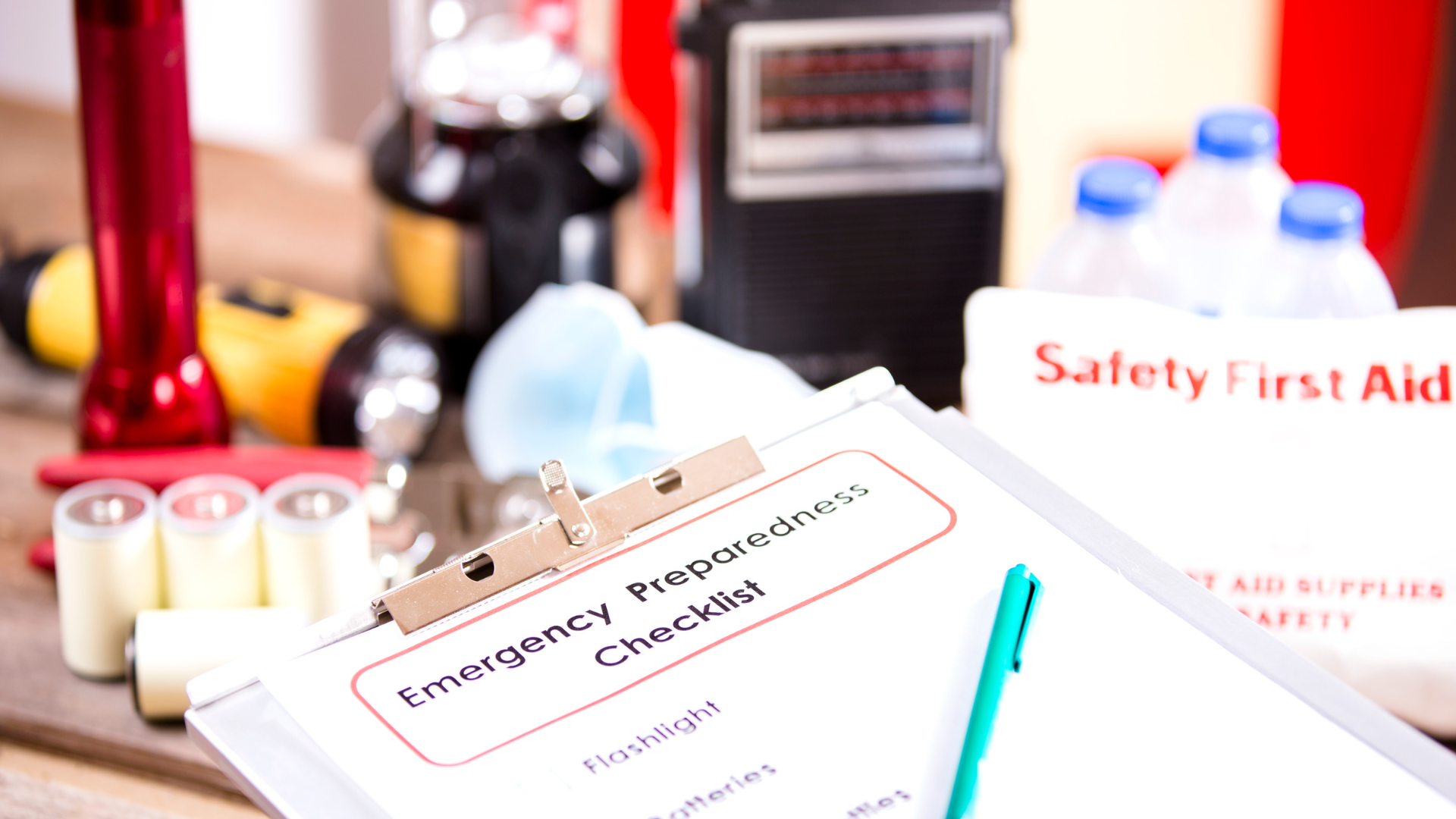
- Gather the supplies you will need. Have everything on hand to ride out a winter storm that drags on. Food, bottled water and any medications you rely on come first. Add firewood, flashlights, hand sanitizer and spare cell phone batteries.
- Work with your neighbors so older residents are prepared. Arrange to check on the people a winter storm is most likely to hurt, including elderly neighbors, families with young children and anyone who is ill. Visit before the snow begins, and again from time to time during the storm when it is safe.
- Keep emergency gear in the car. Bad winter weather may hit while you are away from home. Carry a flashlight, sand, jumper cables, blankets, spare clothing, snacks and water in the vehicle, and keep the fuel tank full throughout the winter.
- Recognize frostbite and hypothermia, and know the treatment for each. Extreme cold causes both, and that cold can occur indoors when the heat is off. Learn how to keep these conditions from developing, not just how to treat them.
- Test your carbon monoxide detectors. Never use backup power or the alternative cooking and heating methods you may rely on in a storm indoors or close to an open window. Working detectors with batteries will warn you if a faulty generator or grill is letting deadly carbon monoxide into the house.
- Review your insurance for the home, the small business and flood risk. Confirm your property and business are covered for damage from cold weather. Coverage for the buildings and their contents brings peace of mind while you wait out the storm.


