
How Diesel Generator Cooling Systems Work
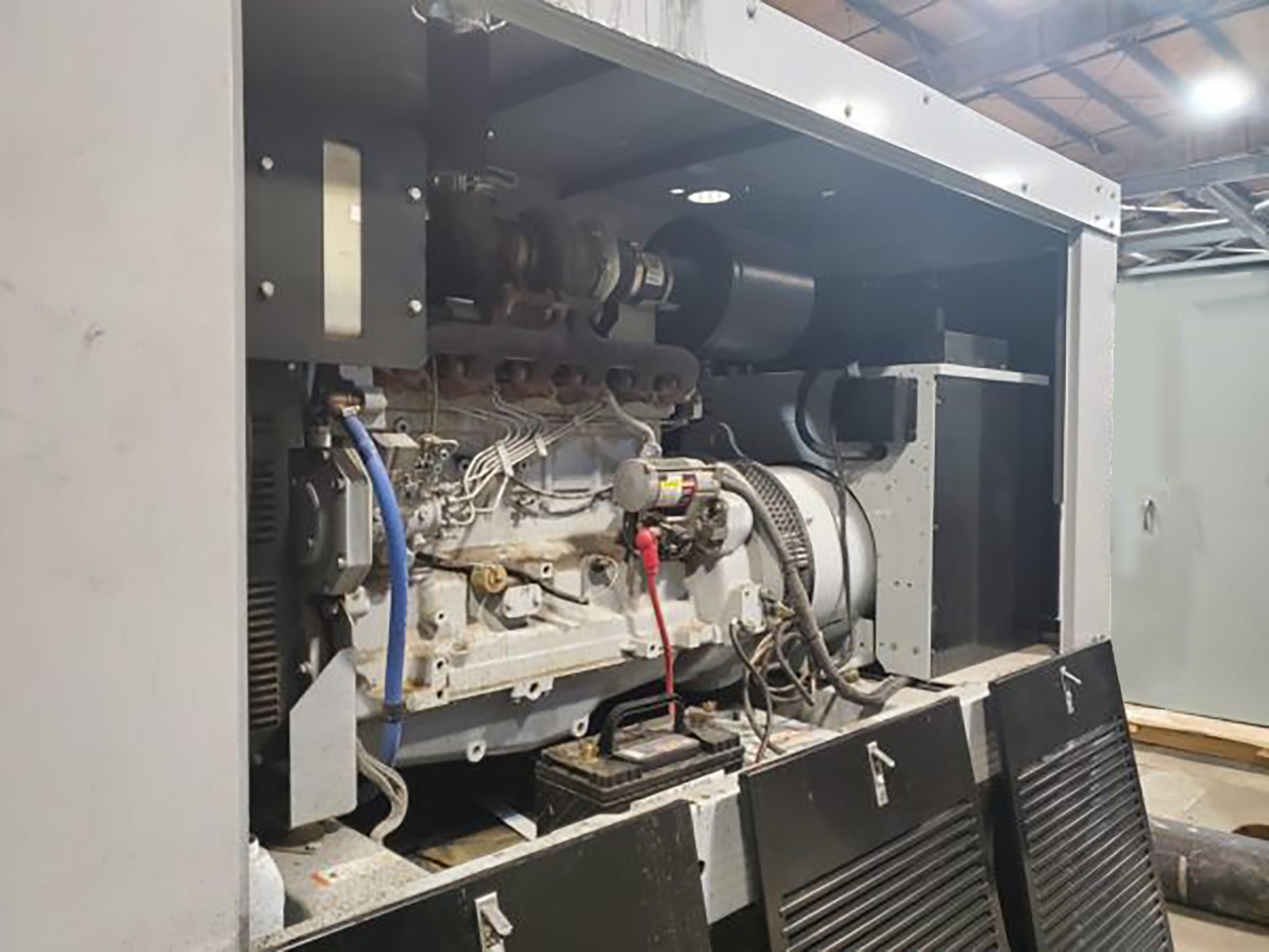
Turning diesel fuel into electricity produces heat. If nothing removes it, that heat accumulates inside the generator and can make your backup power fail. Large diesel generators, those above 22 kW, deal with this by circulating a liquid through the unit.
The coolant may be any of several liquids. It flows through the engine and past other places where heat collects, the oil among them, and is then pumped to one of two destinations.
1. Closed systems
A closed system sends the coolant through a radiator or some other heat exchanger. Its surface area is large enough for the surrounding air, often pushed by fans, to bring the liquid's temperature down. In most cases the radiator shares an enclosure with the generator, which keeps the loop short.
The radiator can also be placed in a separate, external location, which helps installations that have to meet space requirements. Since the liquid never leaves the loop, a setup like this still counts as a closed system.
2. Open systems
An open system draws its liquid from an outside source, a lake for example, and pumps it into the generator. This approach makes the most sense for marine applications.
Whether the system is open or closed, this cycle keeps repeating: the coolant picks up heat and then gives it off, so the generator's temperature stays even. The pump that moves the liquid is frequently driven by a belt from the generator's engine.
Diesel generator coolant types
Diesel gensets can use several different liquids. Choosing the fluid the manufacturer recommends and sticking to its maintenance plan will prevent overheating in your backup generator at the moment you rely on it.
- Water: Widely used to cool diesel generators, but its quality varies from one location to another, which can leave deposits inside the cooling system.
- Oil
- Glycol: Glycol, like oil, is flammable.
- Engineered coolant: Newer mixes take heat away from the generator and also protect against rust and clear out accumulated debris.


