
What Peak Shaving Is and How Facilities Do It
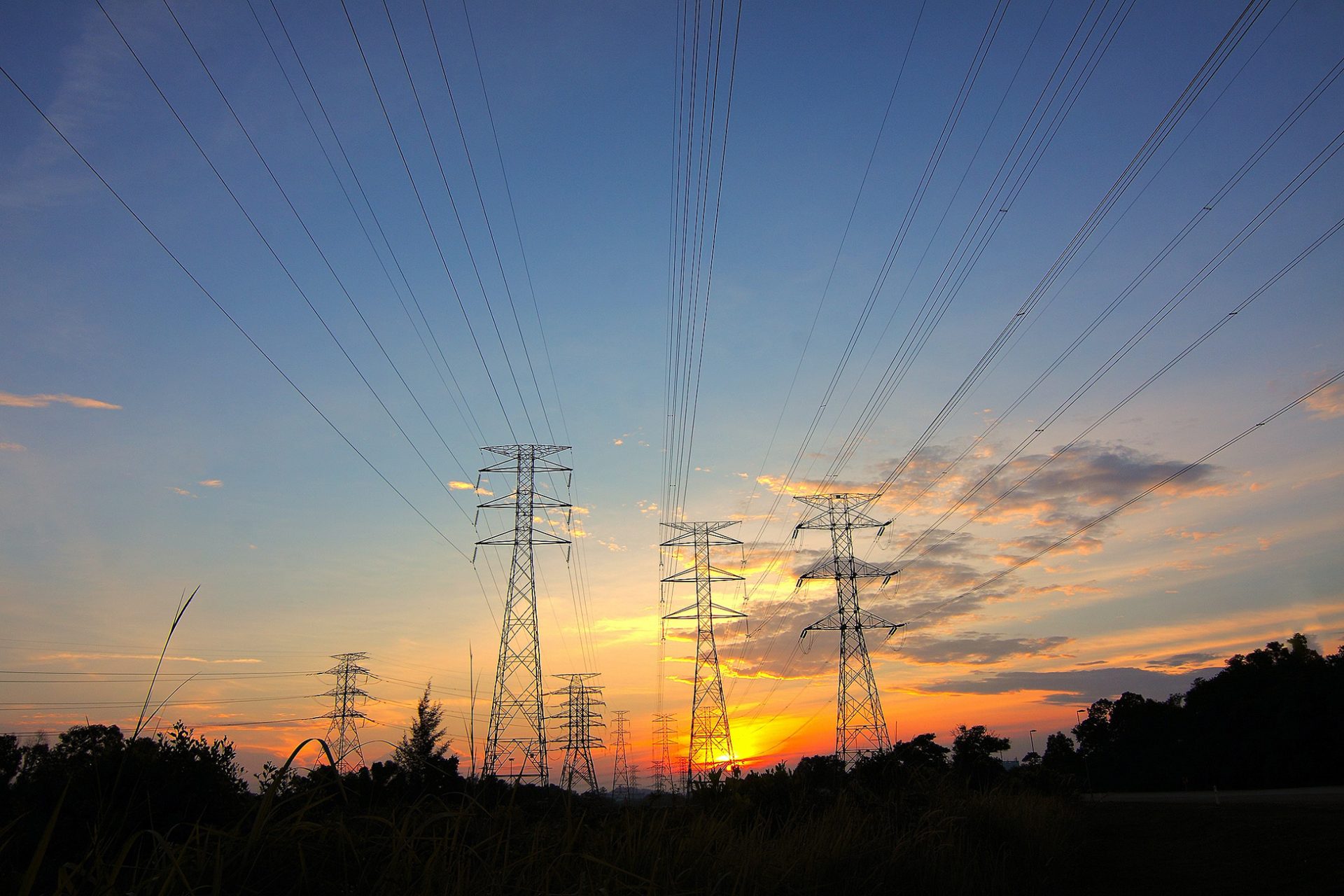
Across many parts of the country, most homes and businesses want electricity at the very same hours. That pushes up demand on the utility, which may struggle to keep up, and the result can be a brownout. Where the utility does manage to cover the peak, it may raise its rates for those hours.
Homeowners each use relatively little energy, so brief spells of higher prices may barely register for them. Big users such as manufacturers, however, feel those higher costs. To hold those costs down, a business can join in load leveling: "reducing large fluctuations in customer demand." One kind of load leveling is peak shaving.
How does peak shaving work?
Peak shaving cuts the amount of electricity a facility buys during peak-demand hours. That is not the same as cutting the facility's total consumption, although using less is one way to do it. By buying less from the utility when power costs the most, the facility saves money over time, and it avoids drawing more utility power than the amount it has agreed with the utility. When businesses add peak shaving capability, the load they place on the utility becomes steadier over time, so the utility does not have to expand to cover peak demand: its large customers handle the peaks themselves.
Peak shaving can be done in several ways. Generators and renewable energy held in batteries are among the most common.
Using Generators for Peak Shaving
On-site generators are one way to cut what a facility needs from the grid when consumption peaks. Installing generators large enough to run a whole facility costs money up front, but savings on the utility bill may make up for it. Because peak shaving is a non-emergency use, the gensets involved must be EPA-compliant.
Planning peak shaving generators means involving engineers, electricians and the utility. Running generators strategically like this is more involved than keeping them purely for backup.
Using Energy Storage for Peak Shaving
Rather than generating power on site only during peaks, this approach generates and stores energy all the time, usually solar or wind power held in batteries. When utility power becomes more expensive, the facility draws on that stored energy.
Using Less Energy
Instead of replacing utility power with on-site generation, a facility can level its load by simply consuming less. That might involve shifting production schedules, switching machines off or making buildings more efficient.


