
How to Prepare for a Power Outage at Home
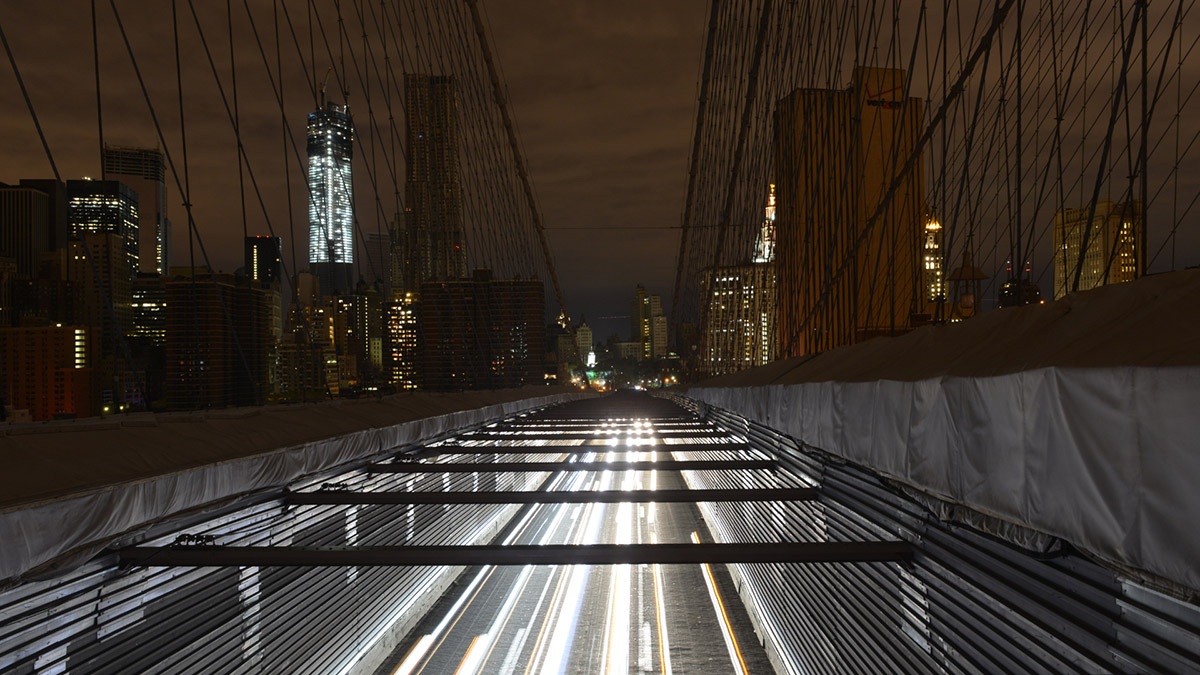
Each spring, the switch to daylight saving time is meant to put the hours of daylight to better use. Most of us hardly think about light until it is gone, and an outage at home makes that obvious fast: you end up groping through dark rooms, struggling with simple chores you would normally do without a second thought.
Across parts of the developing world, blackouts happen often, assuming there is grid electricity in the first place. In the U.S. they are very uncommon, yet they still occur. Because losing power interrupts ordinary routines, it pays to plan for one before it arrives. A serious outage can even put health and lives at risk; picture what could happen at a healthcare facility whose electricity cuts out without warning.
Getting ready ahead of time is what makes an outage manageable. The steps below will help you prepare:
- Look at the breaker first – If the lights go out, start with your circuit breaker. A tripped breaker may be the whole problem, so if you find it in the off position, switch it back on. When the outage turns out to affect only your home, phone the electric utility so it can repair the fault.
- Have a portable generator ready – Buy a portable generator; it is a sound investment for emergencies. Start it up from time to time to confirm it still runs properly, learn how to operate it, and keep enough fuel on hand.
- Put together an outage kit – Most outages end fairly quickly, but not every one does. After Hurricane Maria, people in Puerto Rico went without electricity for a long stretch and learned this the hard way. Keep a bag somewhere easy to reach, packed with plenty of flashlights and batteries, a radio that runs on batteries, bottled water, a little cash and food that will not spoil.
- Learn how the garage door releases – An electric opener stops working when the grid is down, but the door itself can still be lifted by hand. Find out where the release cord is, so you can get out of the house and drive wherever you need to go.
- Leave the refrigerator shut – Every time the door opens, cold air escapes. Keep it closed as much as you can, because food may go bad if the outage drags on.
- Unplug your electronics – A surge can occur when the grid comes back, and it can harm appliances and other equipment.
Ask your utility how long it expects the outage to last. With a rough idea of the duration, you can decide which steps to take to keep your family safe.


