
Video: Running 50 Hz Equipment on a 60 Hz Generator
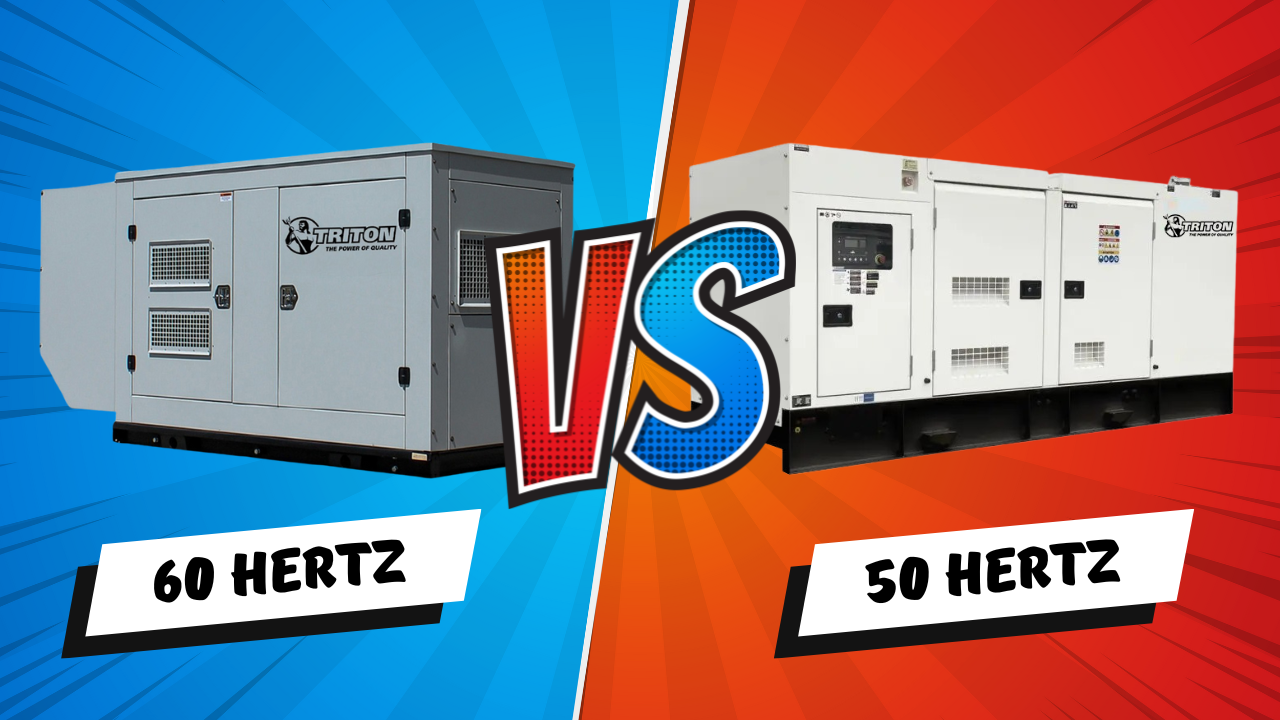
Almost everything we rely on runs on electricity, and generators supply much of it by turning mechanical energy into electrical power. What happens, though, if the generator's frequency differs from the frequency the connected equipment expects? This article looks at the problems that arise when something built for one frequency, such as a 50 Hz refrigerator, is plugged into a generator running at another, for example 60 Hz.
What frequency means for electrical equipment
Frequency is the number of cycles an alternating current (AC) completes each second, and it is expressed in Hertz (Hz). Standard frequencies differ around the world for historical, economic and technical reasons. North America mostly runs on 60 Hz, while Europe and a large part of Asia and Africa use 50 Hz systems.
What can go wrong when frequencies don't match
Running equipment from a generator whose output frequency differs from the one it was designed for can cause several serious problems:
- Poor efficiency and damage: Equipment built around one frequency may run neither efficiently nor safely on another. A 50 Hz refrigerator fed from a 60 Hz generator, for instance, may turn faster than intended and lose efficiency, which can harm the motor and shorten its service life.
- Electrical and mechanical strain: A mismatch puts extra load on the device's parts, much like keeping an engine outside its ideal RPM band. That strain speeds up wear, bringing early breakdowns and expensive repairs.
- Safety and performance problems: Frequency differences can make operation unstable, showing up as anything from erratic behavior to flickering lights. Function suffers, and a device that overheats or malfunctions may also become a safety hazard.
Why standard frequencies matter
Frequency standards were not picked at random; they reflect what makes electrical equipment and systems perform well and operate safely. The historical decisions that put the US on 60 Hz and Europe on 50 Hz still shape how today's equipment is designed and used.
The safest course is to make sure the generator and the equipment it supplies share the same frequency. A generator matched to your equipment's frequency rating is essential for operation that is safe, efficient and dependable.
Generators wired for 50 Hz or 60 Hz
If you need a generator wired for 50 Hz or 60 Hz, our team can help you set one up to suit your equipment and its frequency requirements.
Questions, or need more detail? Reach us through our contact page or call +1 251-314-4812.


