
Picking a Quiet Generator for Your Camping Trips
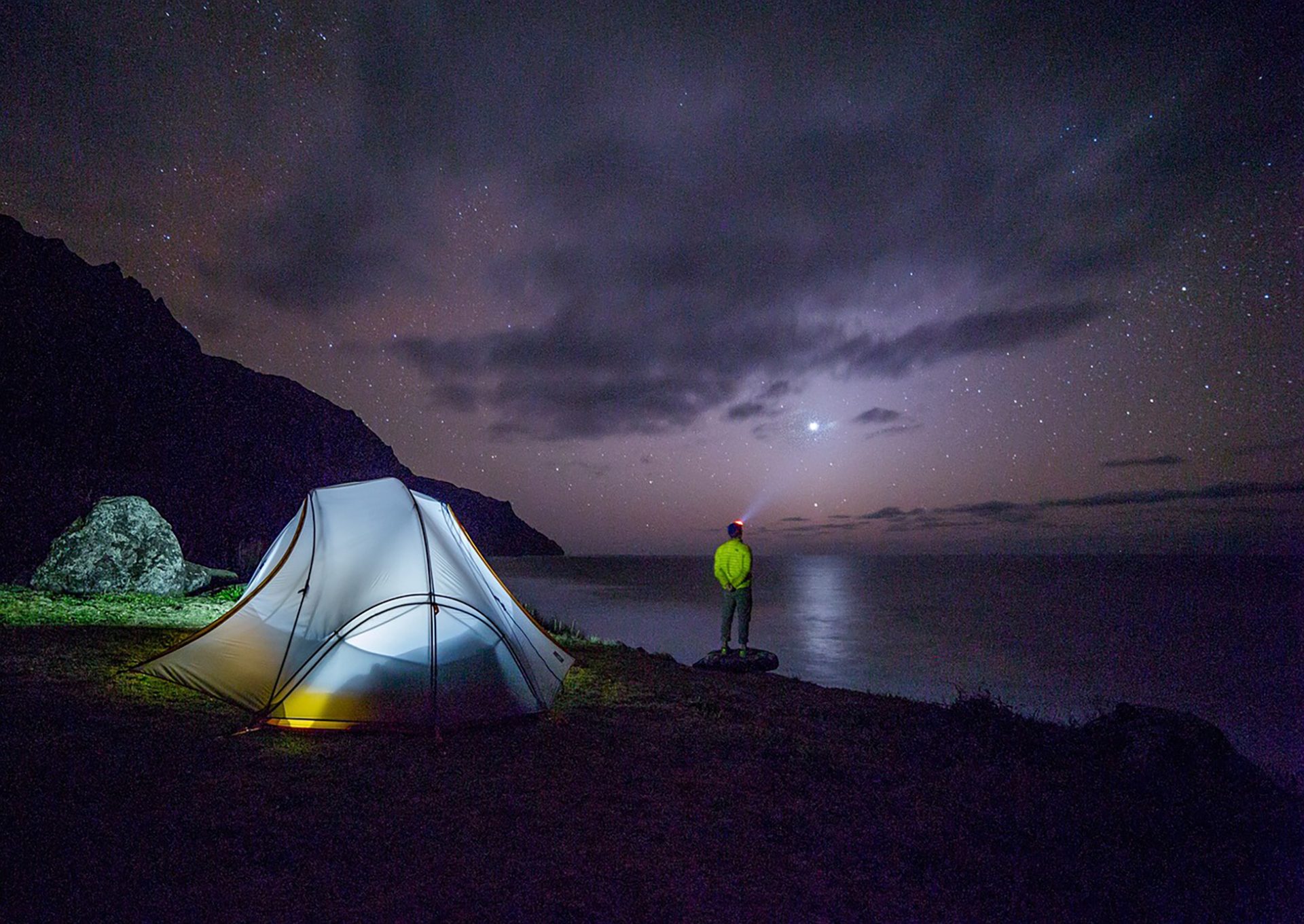
A camping trip is a welcome break from the rush and clamor of the city, a chance to enjoy calm outdoor surroundings far from noise and pressure. Yet even out in nature, the quiet can be broken by sounds you would rather not hear, and a generator is one of them. If you are shopping for a portable unit to bring along when you camp, choose one whose noise will not spoil the calm of the trip.
Older generators were loud, but advances in technology have produced quiet models that bring home comforts to a campsite without a racket. Recreational generators today are compact and quiet, yet they make enough power for the basic needs of a camp.
When you shop for a camping generator, compare these features:
- Power output – Output is stated in watts, and manufacturers quote two figures for it. The maximum figure is the most the unit can produce within a 30-minute window, while the rated figure is what it can keep up over long periods, typically 90 percent of the maximum. Camping generators fall into three groups: lightweight units supplying up to 1,000 watts, mid-range models supplying up to 2,000 watts, and larger models supplying more than 3,000 watts.
- Runtime – This is the longest a generator can keep running. It depends on the load connected, the capacity of the fuel tank and how efficiently the unit operates. Compare the runtime figures each manufacturer publishes before making a choice.
- Dry weight – How much the unit weighs with its fuel tank empty. Bear in mind that every gallon of gasoline you add weighs over 6 pounds.
- Sound – For a camping generator, this is a key factor. Sound is expressed in decibels (dBA), though some manufacturers do not publish the figure. A reliable way to judge how loud a unit is: watch and listen to it running at an RV or camping show.


