
Emergency, Recreational or Industrial: Picking a Generator Type
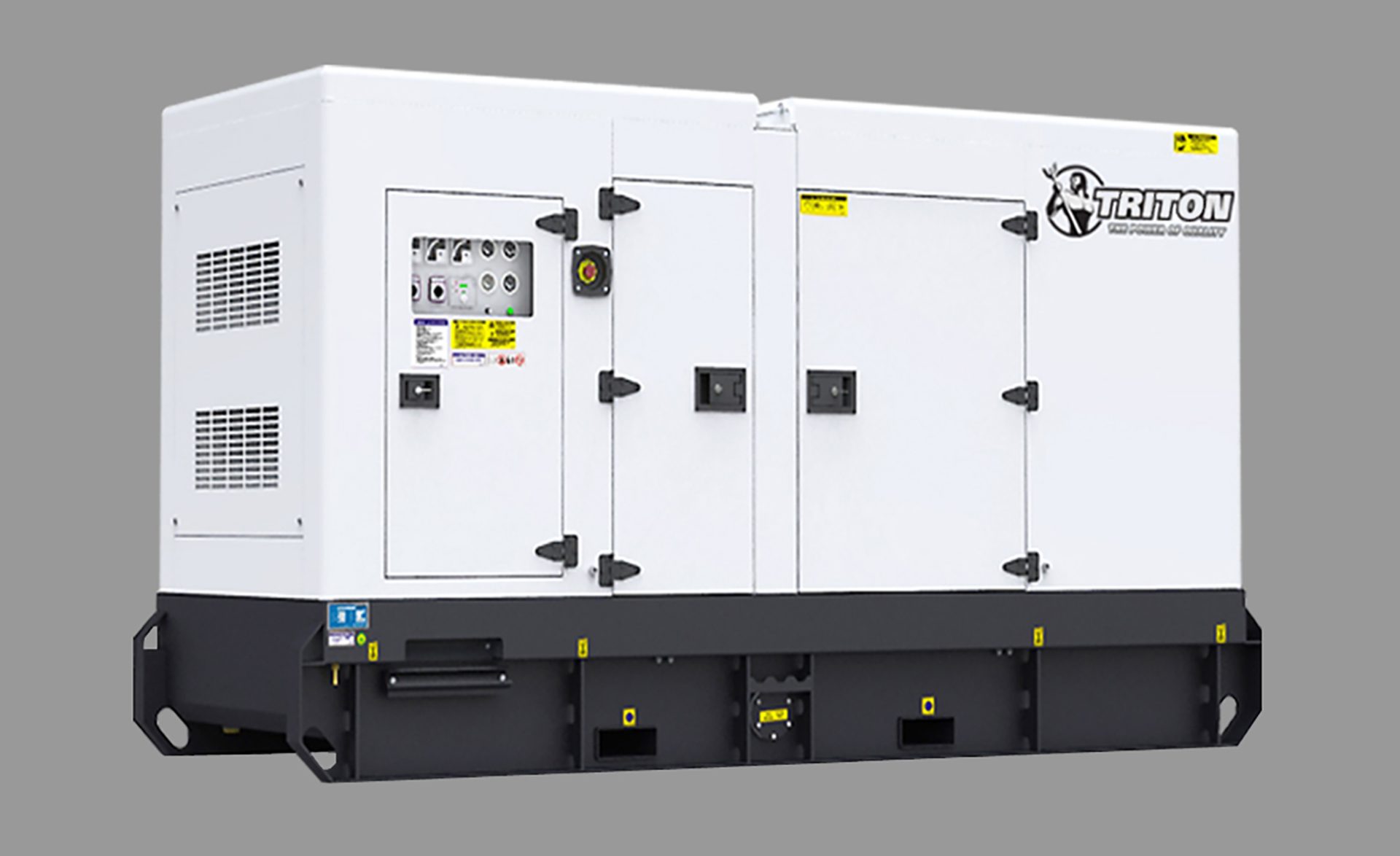
Generators come in many types, built for emergency, recreational and professional use. Before you buy, the key question to settle is exactly what you plan to use the generator for.
Emergency portable generators
When the power goes out, an emergency portable generator can be started up and is well suited to running a handful of appliances or pieces of equipment until service returns. Think about the wattage you are likely to need before you buy one. Output for these units runs anywhere between 4,000 and 62,000 watts. A lower-wattage model can keep basic household appliances going during an outage, but it cannot supply the whole house. To run every light and appliance in a home or business, choose a higher-wattage generator. Gasoline, diesel and liquid propane are all possible fuels for these units.
Recreational generators
Campers and others who spend time outdoors often use recreational generators to run small devices. Buyers in this group tend to choose low-wattage models, since they are lighter, more compact and simple to carry.
Industrial generators
An industrial generator combines a powerful engine with a large fuel tank, and output can span 10 kW to 2,500 kW or more. These machines are designed for long hours of running and can supply electricity to many different applications. They are a common sight on job sites with heavy electrical demand, such as construction sites in areas with no connection to the regular grid. Because they are built for rough work, they usually run on industrial diesel engines.


