
Measuring a Generator’s Fuel Use
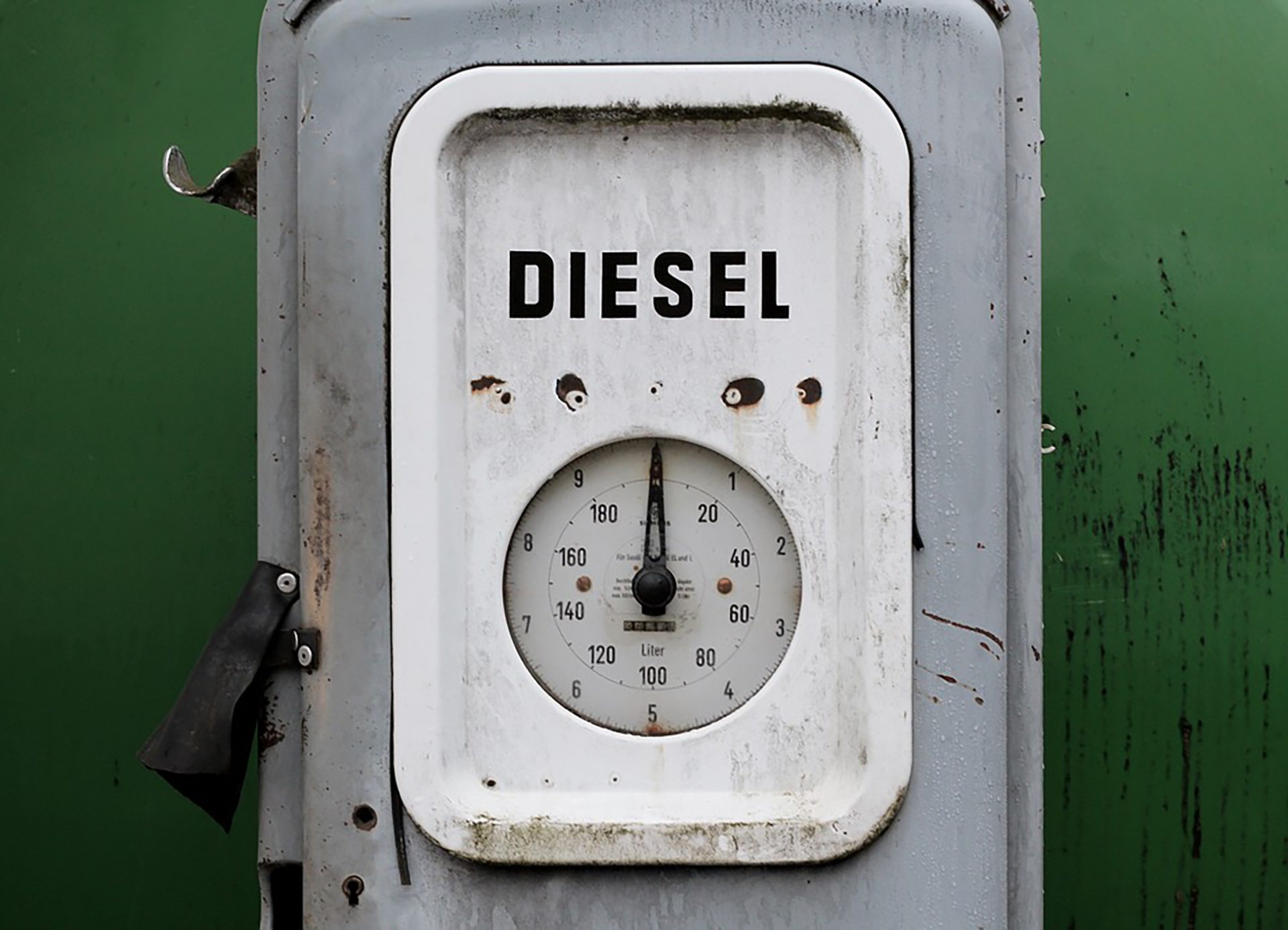
Fuel consumption deserves a close look whenever you shop for an industrial generator. Topping up the tank every two hours just to keep a unit going is something no owner wants. A generator that uses fuel efficiently saves its owner a great deal of time and holds running costs down.
The product information for a generator is the place to find its rate of fuel use. Some units will run for 12 hours on one full tank at half (50 percent) load. If a generator like that holds 4 gallons, each gallon keeps it going for 3 hours. Keep in mind that heavier loads push fuel use up, while loads under 50 percent bring it down considerably.
When the normal supply of electricity is interrupted, a generator is a dependable backup. Provided its tank holds enough fuel, it can supply power the instant an outage occurs. Owners should therefore keep the tank full and ready so that no power failure catches them unprepared.
Generators run on a variety of fuels, including diesel, gasoline and natural gas. Manufacturers now work deliberately to make their products as efficient as they can, aware that better efficiency cuts energy costs and lessens the effect on the environment. As a result, newer generators burn noticeably less fuel than older models.
Pinning down your own generator's fuel consumption is not always simple. Manufacturers publish consumption figures, but you cannot rely on them exactly, because the real numbers depend on how the generator is used. The more power the load calls for, the more fuel the generator burns.
You can also measure consumption yourself. Fill the generator's tank and record precisely how many gallons go in. Next, put the generator on the load you normally use and let it operate for one hour. Then fill the tank again and record exactly how much fuel it takes to bring it back to full. If that refill comes to one gallon, the generator is using one gallon per hour.


