
Diesel and Gasoline Generators Compared
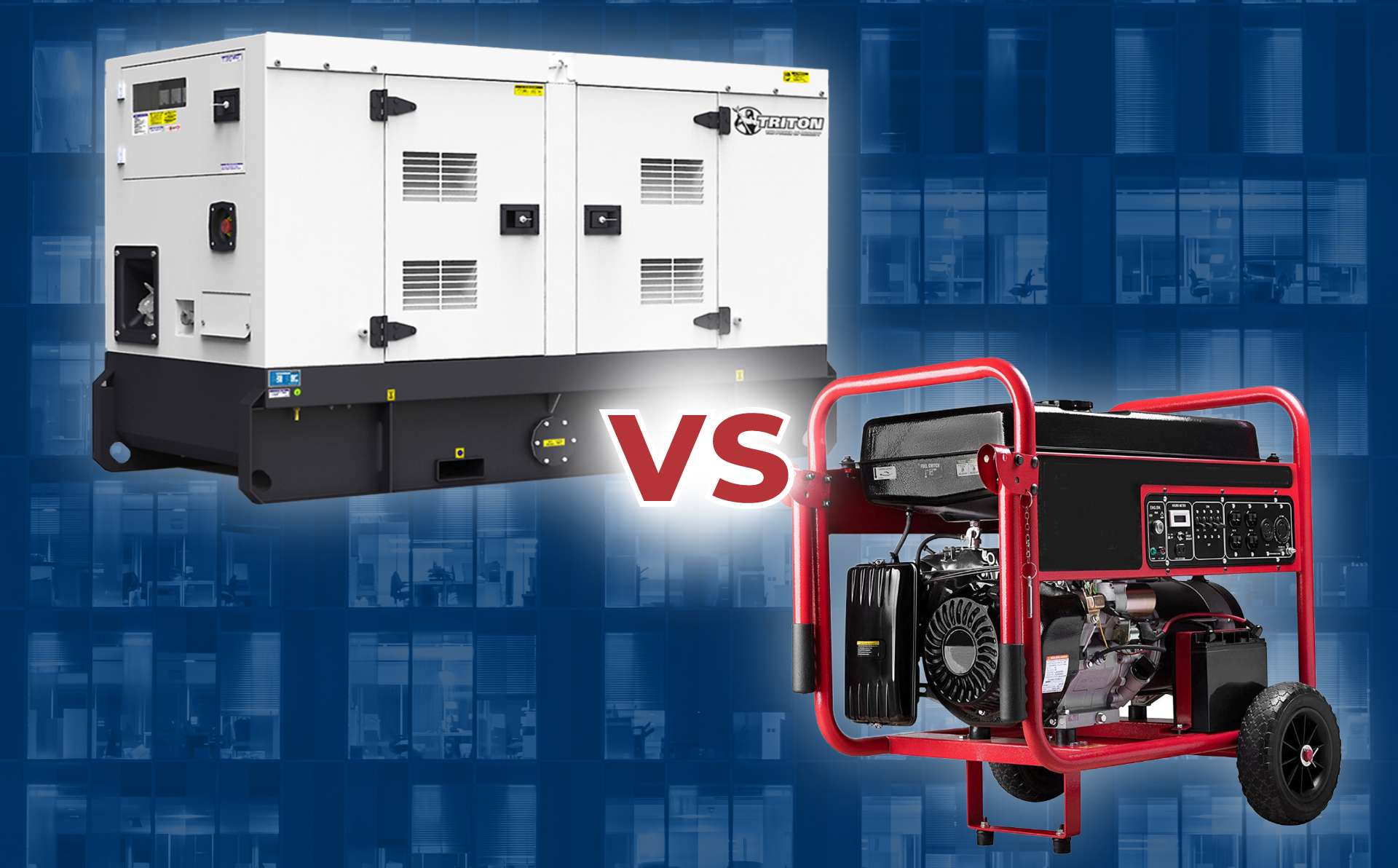
Facilities that cannot afford to lose electricity during an outage rely on a backup generator to keep power flowing. Most of these machines burn one of two fuels, diesel or gasoline, so buyers often ask which of the two makes more sense for them.
Fuel type, upfront cost and efficiency all weigh on the decision. Below, we set diesel and gasoline units side by side, explain how each one works and where they differ, so you can judge which suits your situation.
Gasoline Generators Explained
Often called a "gas generator" for short, a gasoline generator burns gasoline to produce electricity. People like them because they are simple to operate and easy to carry, which is why they turn up at campsites, tailgate parties and backyard cookouts. Homeowners in regions exposed to hurricanes also keep them on hand for emergency power.
Inside, an internal combustion engine turns the energy in the fuel into electricity. Gasoline units usually cost less than diesel models, so they appeal to buyers on a tighter budget whose backup needs are short-term. They also tend to run more quietly than diesel units, a point worth weighing if the generator will operate near homes.
On the downside, a gasoline engine gets less work out of its fuel than a diesel engine, so the tank needs refilling more often. Output is usually lower as well, which makes these units a weaker choice for heavy-duty jobs.
Inside a Gasoline Generator
The engine at the heart of a gasoline generator converts fuel into electrical power through internal combustion. Its main moving parts are usually a piston and crankshaft, working inside a cylinder. A spark plug fires a mixture of air and gasoline in the cylinder; the explosion builds pressure that forces the piston to move, the piston turns the crankshaft, and the crankshaft spins the attached generator, which produces electricity.
Most models start with a pull cord or an ignition switch. Some include extras such as automatic voltage regulation, which keeps the output steady.
Where Gasoline Generators Come Out Ahead
In a diesel-versus-gasoline comparison, gasoline units have several points in their favor:
1. Lower Cost
Both the purchase price and the running maintenance costs of a gasoline generator are usually lower than for a diesel model.
2. Easy-to-Find Fuel
Nearly every filling station sells gasoline, so fuel is easy to get hold of. That convenience matters whether you need power in an emergency or for leisure use.
3. Portability
A gasoline unit is generally smaller and weighs less than a diesel one, so it is simpler to move and position.
4. Easier Starts
Gasoline engines usually start more readily than diesels, especially in the cold. The reason is ignition: a gasoline engine lights its fuel with a spark plug, whereas a diesel engine depends on the heat produced by compressing air.
Diesel Generators Explained
Diesel generators make electricity from diesel fuel. Each unit pairs a diesel engine with an electric generator, and the two work as one to produce power. Industrial users favor them because they hold up well, run dependably and stay in service for a long time.
Inside a Diesel Generator
Here the engine runs on diesel. Inside are a piston running in a cylinder plus a fuel injection system that atomizes the diesel into a fine spray and delivers it to the cylinder at the correct point in the cycle. No spark is involved: compressing the air in the cylinder heats it enough to ignite the fuel, and the resulting pressure pushes the piston, which drives the attached generator to make electricity.
Diesel units can also be equipped with automatic start/stop controls that switch the generator on when the grid signal disappears and off again once it returns.
Where Diesel Generators Come Out Ahead
If your choice comes down to diesel or gasoline, diesel units bring several strengths of their own:
1. Fuel Efficiency
Compared directly, a diesel engine generally gets more power out of each unit of fuel than a gasoline engine does.
2. Durability
A diesel engine is designed for long, hard service, which is why diesel generators suit commercial and industrial sites.
3. Higher Output
Diesel generators frequently deliver more power than gasoline models, so they fit applications with larger loads.
4. Lower Fire Risk
Diesel's flash point is higher than that of gasoline, so it is less prone to catching fire or exploding near an open flame.
5. More Hours Between Refills
Diesel generators normally run longer between refills than gasoline ones. Better fuel economy combined with bigger tanks means fewer stops to refuel.
Still Deciding? Talk to Us
If you are still weighing diesel against gasoline and cannot settle on one, send us your requirements and our team can help you choose. We can also talk through natural gas generators as well as EPA Certified Tier 4 generators if either suits your power needs better. Tell us about your application and budget, and we will help you narrow down the options.
Get in touch to discuss diesel and gasoline options and start working out which generator fits your project.


