Diesel vs Natural Gas Generators: Which is Best for Your Application
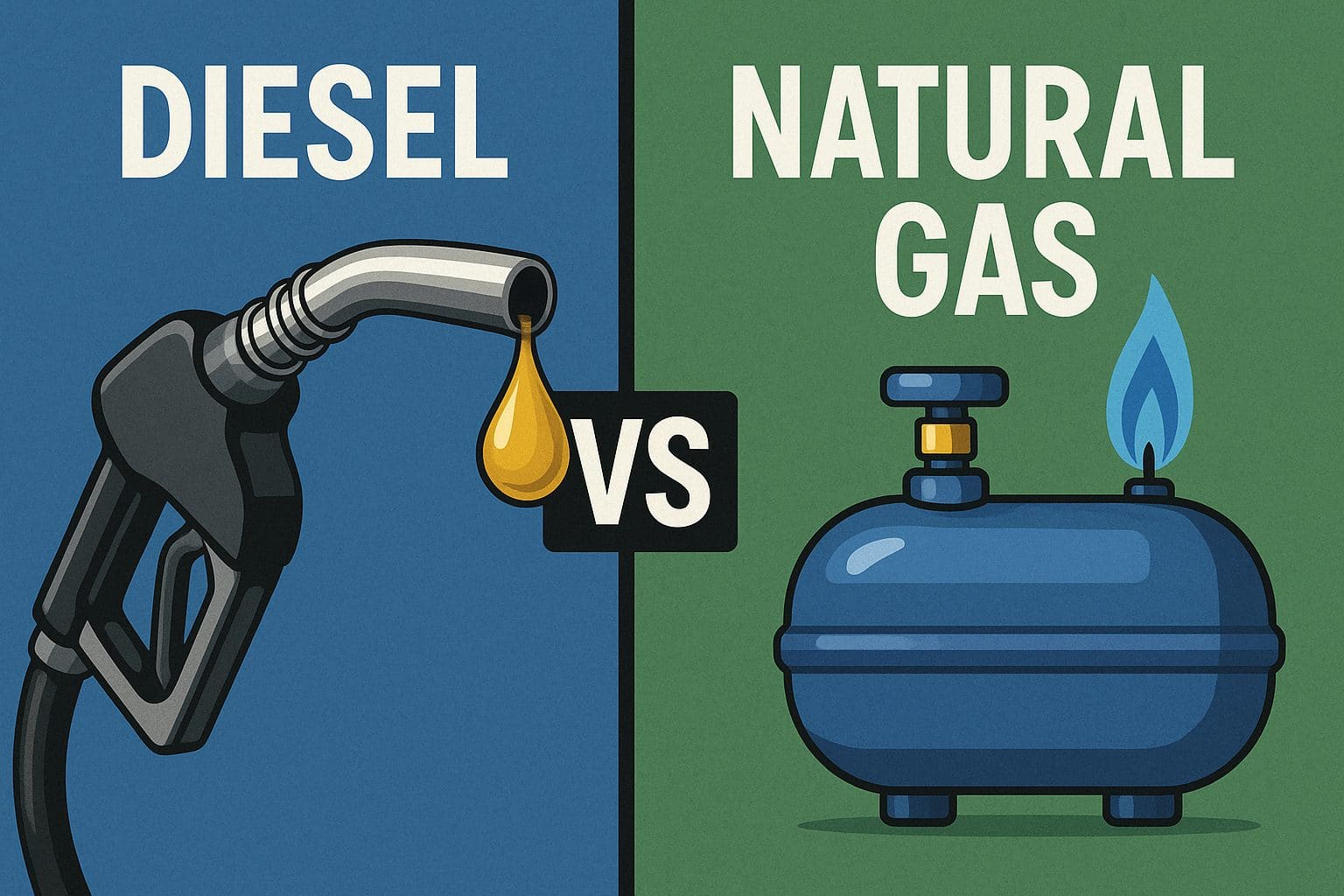
Choosing the right generator for your industrial plant is crucial. It impacts efficiency, costs, and environmental compliance.
Diesel and natural gas generators are the two main contenders. Each has its own strengths and weaknesses.
Diesel generators are known for their durability and power output. They are often the go-to choice for high-load applications.
Natural gas generators, on the other hand, offer cleaner emissions. They are increasingly popular in areas with strict environmental regulations.
Understanding the differences between these options can help you make an informed decision. This guide will explore key factors like performance, cost, and maintenance.
By the end, you’ll have a clearer picture of which generator best suits your plant’s needs.
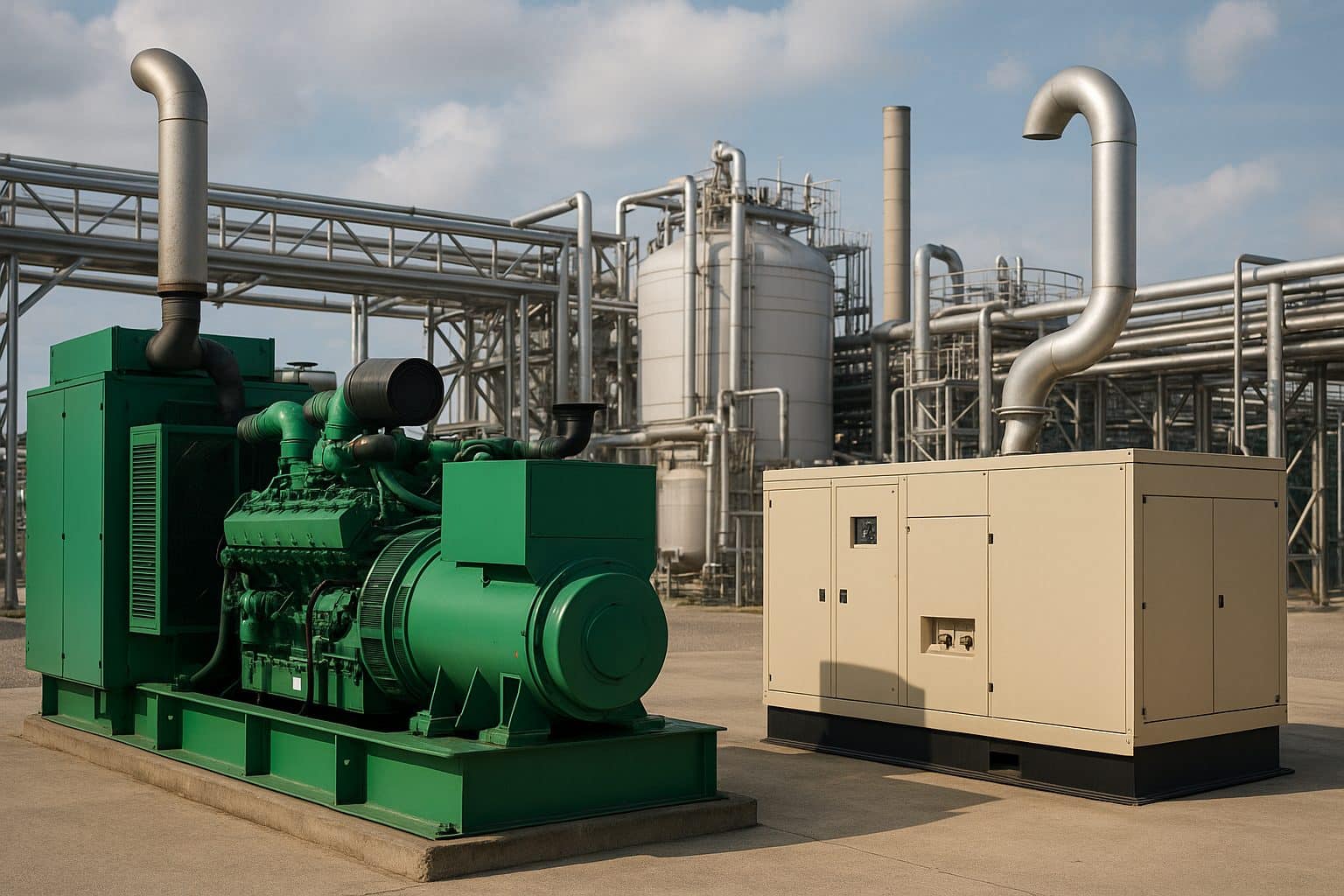 Industrial diesel and natural gas generators installed side-by-side in a processing facility.
Understanding Generator Basics: Diesel vs Gas
When considering diesel vs natural gas generators, it’s essential to grasp the fundamentals. Both types convert fuel into electrical power but do so differently.
Diesel generators are renowned for their ruggedness and simplicity. They operate using compression-ignition, which is both effective and reliable. This makes them suitable for heavy-duty applications.
Natural gas generators use spark-ignition technology. This method involves using a spark plug to ignite the air-fuel mixture. It’s a cleaner and quieter process compared to diesel.
Key Differences in Basics:
- Ignition Method: Diesel uses compression; natural gas uses spark.
- Fuel Type: Diesel relies on liquid fuel; natural gas uses gaseous fuel.
- Emissions: Diesel typically has higher emissions, but technology improvements are ongoing.
Understanding these basic differences is crucial. It sets the foundation for deeper comparisons of performance, cost, and sustainability. As you delve further, consider how each generator type aligns with your facility’s operational demands.
Key Performance Factors: Power Output, Efficiency, and Reliability
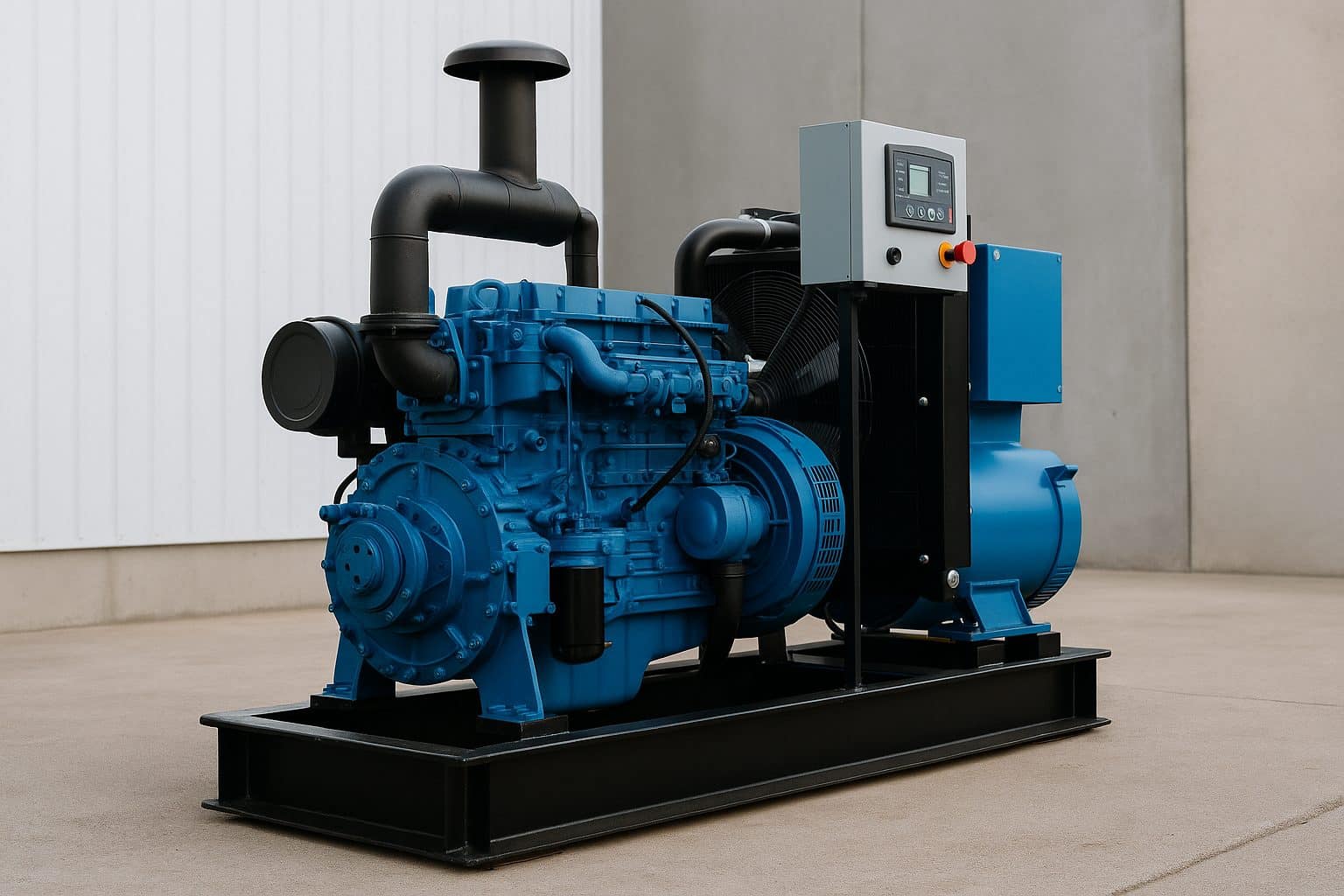 A powerful diesel generator showcasing visible engine components and control interface.
When it comes to choosing between diesel and natural gas generators, performance is key. Diesel generators are often favored for their robust power output. They can handle high-load applications efficiently.
Natural gas generators, however, have their perks in efficiency. They typically consume less fuel under continuous use. This makes them ideal for operations requiring persistent energy output.
Reliability is another critical factor. Diesel generators are known for their durability and longevity. They can withstand harsh environments and demand less frequent repairs.
On the other hand, natural gas generators offer smoother operations with fewer interruptions. Their design and fuel type contribute to less wear and tear.
Key Performance Insights:
- Power Output: Diesel delivers higher power for demanding applications.
- Efficiency: Natural gas is more fuel-efficient for continuous use.
- Reliability: Diesel provides long-lasting service; natural gas offers steady operation.
Understanding these performance factors allows you to match the generator type with your operational needs effectively. Consider which attributes align with your plant’s specific requirements to make an informed decision.
Fuel Considerations: Availability, Cost, and Storage
Fuel type is a critical consideration when selecting a generator. Diesel fuel is widely available and easy to store on-site. This makes diesel generators a practical choice for remote locations.
In contrast, natural gas offers cost benefits due to its generally lower price, according to the U.S. Energy Information Administration. However, its availability is often dependent on local infrastructure. Areas with established gas networks benefit the most.
Storage practices also differ significantly between these fuels. Diesel fuel requires appropriate tanks and regular maintenance checks to prevent contamination. This can add to the operational costs over time.
Natural gas doesn’t need tank storage, simplifying the logistics. Yet, this reliance on a steady pipeline supply can be a drawback in certain regions. Planning your fuel strategy involves assessing these key elements.
Fuel Consideration Highlights:
- Availability: Diesel is accessible and storable almost anywhere.
- Cost: Natural gas usually comes at a lower price point.
- Storage: Diesel demands tanks; natural gas requires infrastructure.
Evaluating these fuel aspects will help guide your generator choice. Consider your site’s location and fuel needs to select the most suitable option for your operations.
Environmental Impact: Emissions and Regulations
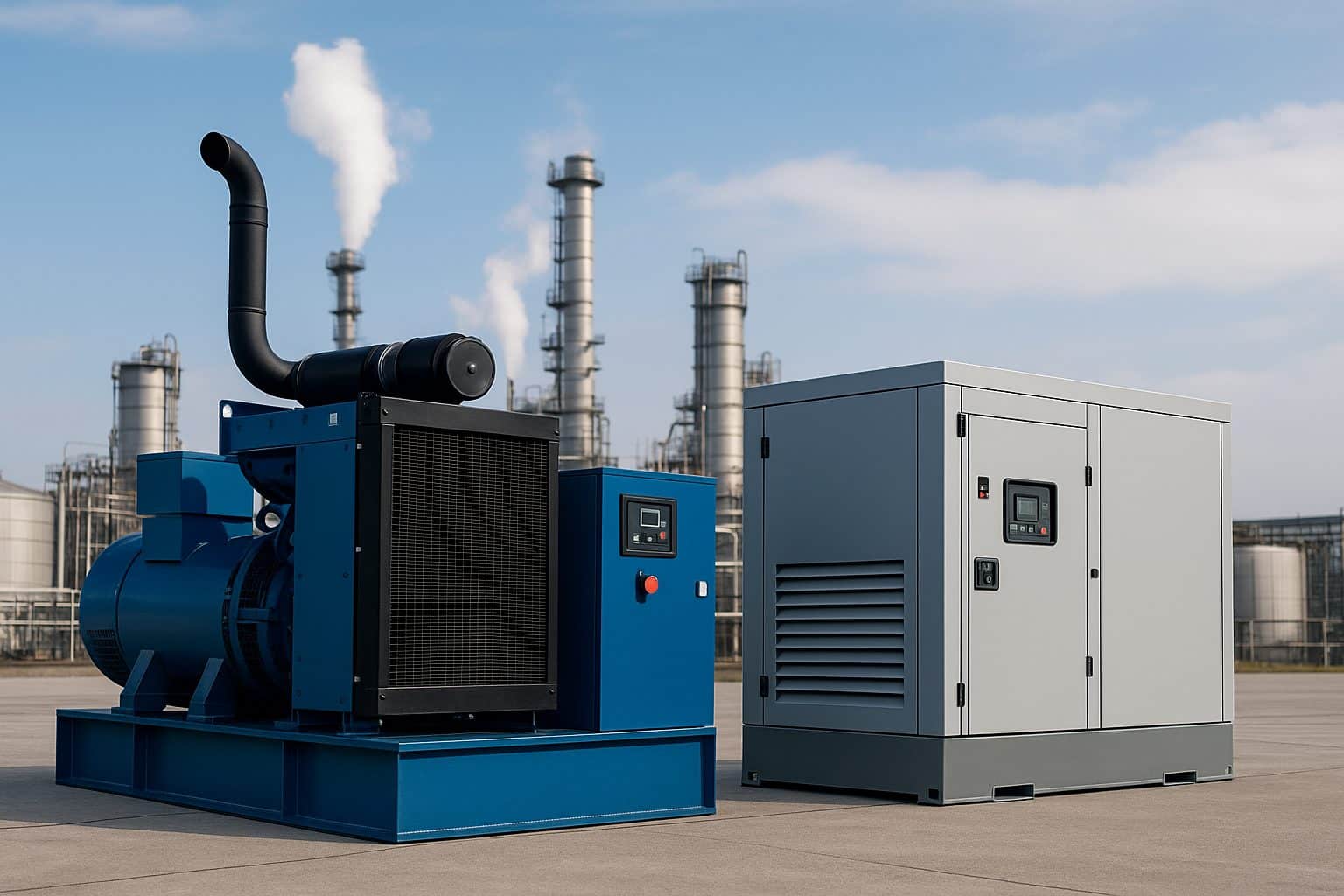 Diesel and gas generators installed in an energy facility with visible emissions in the background.
Environmental considerations are increasingly important in power generation. Diesel generators are known for their robust performance, but they produce more emissions. These emissions can include particulate matter and nitrogen oxides, which are subject to stringent EPA regulations.
Natural gas generators, on the other hand, emit fewer harmful substances. They produce lower levels of greenhouse gases compared to their diesel counterparts. This makes them an attractive option for companies focused on reducing their carbon footprint.
Regulations can significantly impact generator choice. Areas with strict emission standards might favor natural gas generators or Tier 4 diesel models. These units help organizations comply with evolving environmental laws and achieve sustainability goals.
The environmental impact should influence your decision-making process. It’s essential to evaluate both current regulatory requirements and future trends. A proactive approach can prevent potential fines and contribute to a more sustainable operation.
Environmental Consideration Highlights:
- Emissions: Diesel produces higher emissions; natural gas is cleaner.
- Regulations: Natural gas can aid in meeting strict standards.
- Sustainability: Natural gas supports environmental goals better.
Maintenance and Longevity: What to Expect
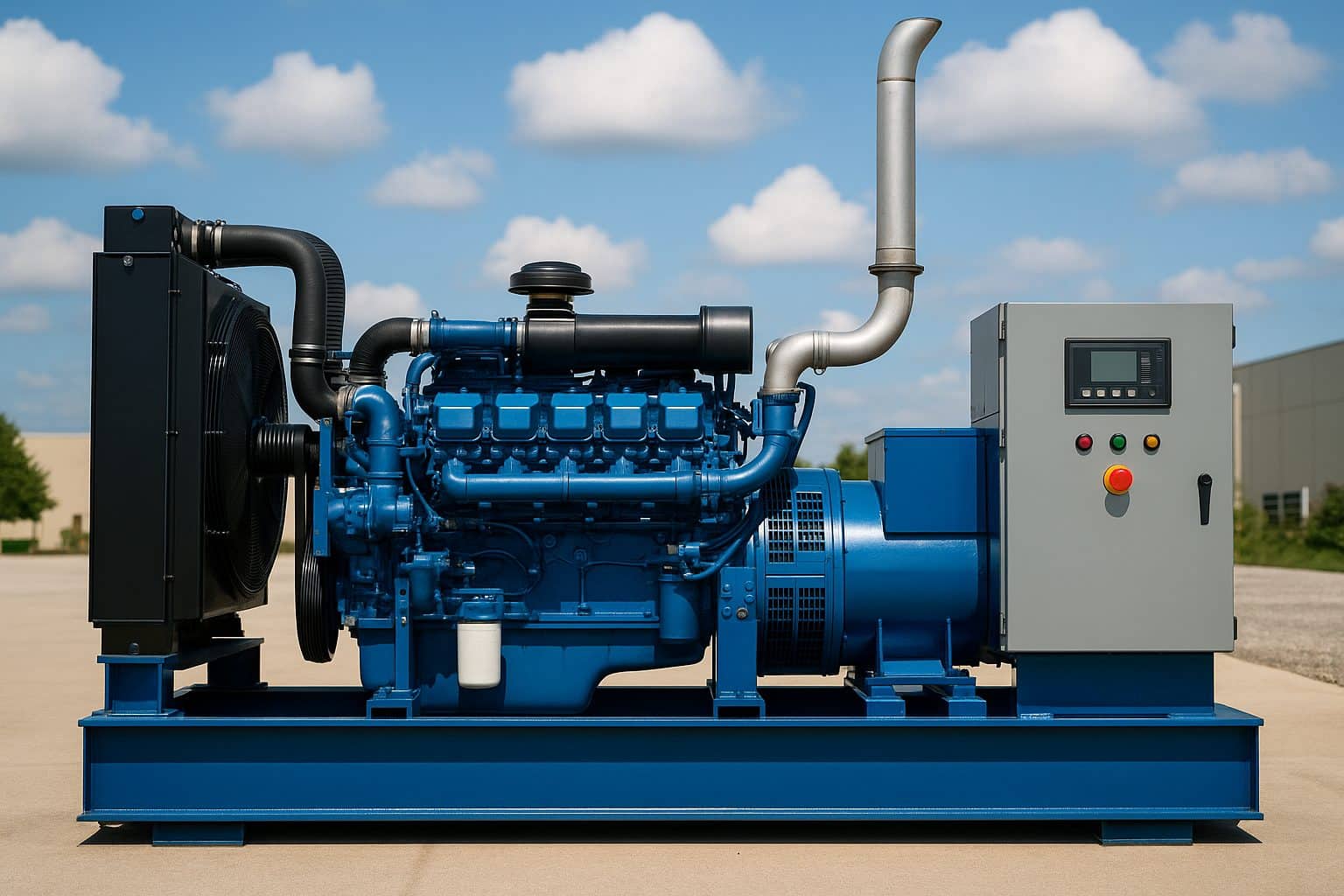 A diesel generator built for durability, including its control interface.
Diesel generators are renowned for their durability and longevity. However, they require regular maintenance. This includes oil changes, filter replacements, and fuel system checks to maintain optimal performance.
In contrast, natural gas generators often have lower maintenance needs. The cleaner-burning fuel leads to fewer deposits and less wear and tear on engine components. This can translate to reduced maintenance costs over time.
Both generator types have their unique longevity factors. Diesel units excel in tough environments, often running longer in harsh conditions. On the other hand, natural gas generators benefit from fewer moving parts, potentially leading to a longer service life.
Understanding maintenance requirements is crucial for operational efficiency. Assessing these needs can help in planning budgets and scheduling downtime. Keeping generators well-maintained ensures reliable operation and extends their useful life.
Maintenance and Longevity Highlights:
- Diesel Generators: Regular maintenance required for durability.
- Natural Gas Generators: Lower maintenance due to cleaner fuel.
- Longevity: Diesel excels in harsh conditions; natural gas has longer service life potential.
Installation and Infrastructure Requirements
Setting up diesel generators is typically straightforward. Diesel fuel storage tanks are necessary, but they are generally easy to install and maintain. This makes diesel generators a practical choice in remote or undeveloped areas.
Conversely, natural gas generators often require more extensive infrastructure. They necessitate access to a reliable gas pipeline network. This can make installation more complex, particularly in locations where such infrastructure is not in place.
For industrial facilities, the decision may hinge on existing infrastructure. Considerations should include the availability of fuel sources and the cost of necessary installations. Choosing the right generator depends heavily on these logistical factors.
Installation Considerations:
- Diesel Generators: Simple setup, require fuel storage tanks.
- Natural Gas Generators: Need pipeline access, potentially higher install costs.
- Infrastructure: Assess existing resources and installation feasibility.
Total Cost of Ownership: Upfront and Long-Term Expenses
When evaluating generators, consider the entire cost of ownership. Diesel generators often have lower upfront costs, making them an appealing option initially. However, ongoing costs such as fuel expenses and regular maintenance can add up over time.
Natural gas generators typically present a higher initial investment. Nonetheless, they often provide savings in the long run. This is due to lower fuel prices and reduced maintenance needs, offering more budget-friendly operation over time.
Understanding your facility’s budget constraints and energy needs is crucial. Evaluating both upfront costs and potential savings can guide an informed decision. Balancing immediate financial impact with long-term operational costs is key.
Cost Considerations:
- Diesel Generators: Lower initial cost, higher fuel, and maintenance expenses.
- Natural Gas Generators: Higher initial cost, potential for lower long-term costs.
- Financial Planning: Factor in both immediate and future expenditures.
Application Scenarios: Matching Generator Type to Your Needs
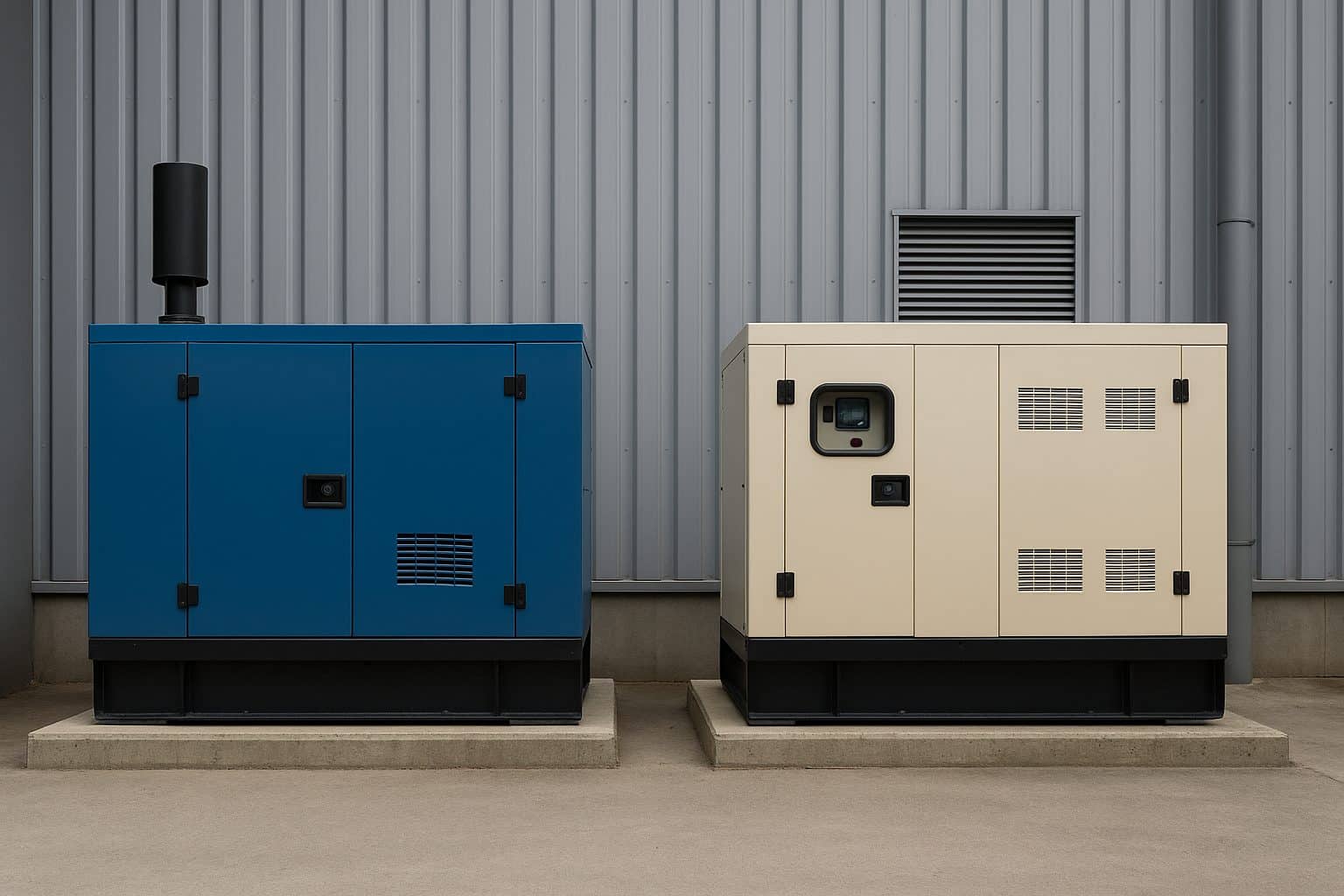 Rear perspective of diesel and gas generators highlighting exhaust design and spatial layout.
Selecting the right generator hinges on your facility’s specific needs. Diesel generators often shine in industries with high power demands and critical reliability needs. These include mining, construction, and emergency services where robust performance is essential.
Natural gas generators, conversely, are well-suited for environments prioritizing sustainability and emissions reduction. Urban centers and areas with stable natural gas supply often benefit from their cleaner operation. Companies aiming to meet stricter environmental regulations might favor this option.
Consider your operational priorities when choosing between diesel vs gas generators. Evaluate factors like infrastructure, energy goals, and grid reliability. Each application scenario may tilt the balance in favor of one generator type over the other.
Generator Type and Suitability:
- Diesel Generators: Ideal for remote, high-load, and emergency power applications.
- Natural Gas Generators: Suitable for urban areas and environmentally conscious operations.
- Decision Drivers: Evaluate based on power needs, location, and sustainability goals.
Making the Decision: A Practical Checklist for Plant Managers
Choosing between diesel and natural gas generators can be complex. A systematic approach can simplify this decision. Consider creating a checklist to address key factors.
Begin by assessing fuel availability and cost in your region. Analyze emission regulations and how they impact your operations. Factor in current and future energy needs, including potential scalability.
Next, weigh initial costs against long-term savings and reliability. Evaluate maintenance requirements and operational conditions. By comparing these variables, plant managers can make an informed decision about the best generator type.
Decision Checklist:
- Fuel Availability: Ensure consistent supply and cost-effectiveness.
- Emission Standards: Consider compliance and environmental goals.
- Cost Analysis: Assess initial vs. long-term expenses.
- Maintenance: Review complexity and frequency of upkeep.
- Power Needs: Match generator capacity to load requirements.
Conclusion: Choosing the Right Generator for Your Facility
Selecting between diesel and natural gas generators hinges on your facility’s unique needs. By understanding key factors like fuel availability, cost, and environmental concerns, you make a more informed choice.
Each generator type offers distinct advantages, so align your decision with your operational and regulatory requirements. Consider future energy trends to ensure longevity and efficiency. An informed choice today lays the groundwork for streamlined operations and reduced downtime tomorrow.