
Blackout Planning: Food, Cooking and Backup Power
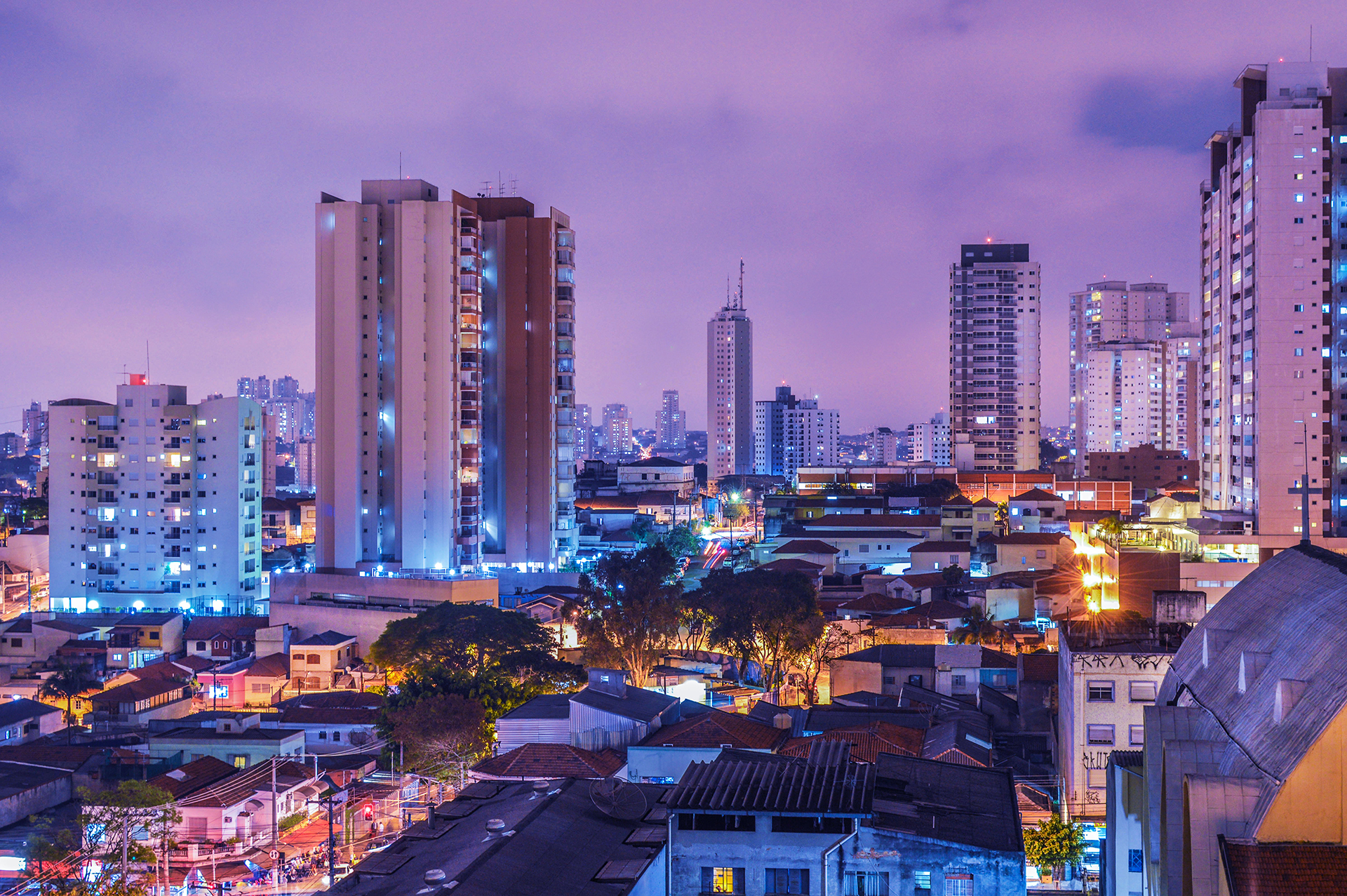
A blackout does more damage than turning off the lights. Think about what in a typical home needs a steady current to work. Without it, the fridge stops cooling, the freezer section slowly defrosts, and stored food spoils. Households in warm regions lose their air-conditioning along with the electric fans, while those in cold regions can lose their heating entirely and face dangerously low indoor temperatures.
Repair times vary widely. A problem with damaged lines may be repaired in a day or two, whereas widespread storm damage can leave homes waiting weeks. An outage that arrives during a downpour carries an added risk: the sump pump quits, and water can start to fill the house.
A way to cook without electricity
Buying a camping stove or a barbecue grill is a simple hedge against a long outage. With one on hand, the family can go on eating decent cooked meals for as long as the grid stays down.
Keeping food from going to waste
A powerless fridge and freezer can mean hundreds of dollars of good food ending up in the trash. Put the stove or grill to work on whatever can still be cooked, and finish the perishables first. Beyond that, a well-filled pantry of non-perishable items carries you through the days that follow: soups and canned meat, along with fruit and juice, can all sit on the shelf for several months without going bad.
An automatic generator
A standby generator takes over on its own when the power supply is cut. It is installed permanently outside the house, in much the way an air-conditioning unit is, and it starts up without anyone touching it as soon as the utility feed is lost, sending power straight into the home's electrical system. Size decides how much it covers: the whole house, or at a minimum the appliances you cannot do without.
Fuel options include natural gas and petroleum fuels like gasoline or diesel. With a natural gas unit, refueling is not a concern, because it draws from the natural gas line already connected to the home.


