
How Ships Generate and Back Up Their Electrical Power
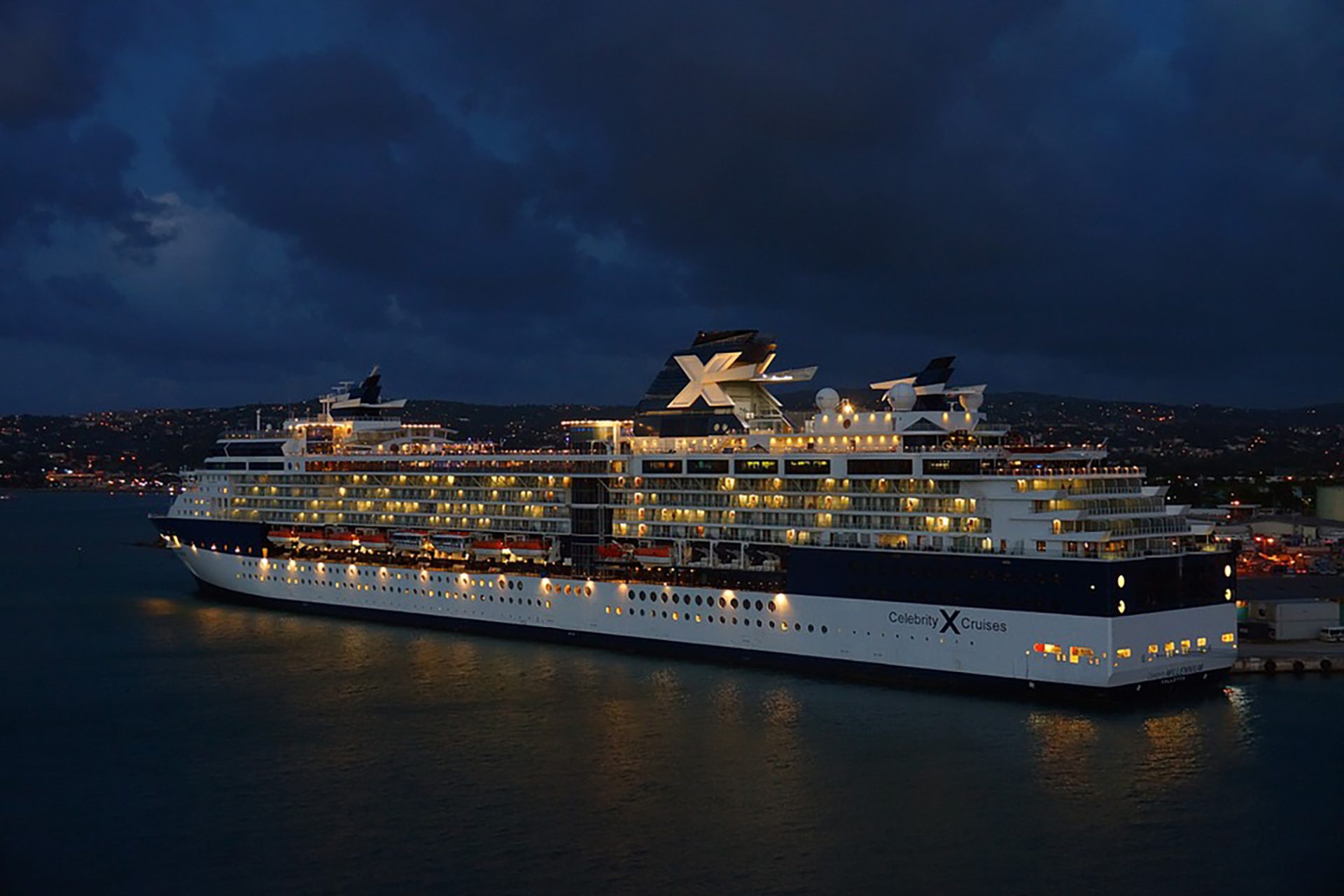
National Maritime Day is a natural moment to think about the marine industry. Plenty of people picture ships in a romantic light, imagining a yacht or a sailboat rocking softly on sunlit water. Spend a little more time on the subject, though, and the logistics behind a vessel turn out to be genuinely impressive.
A large ship works much like a city that floats. Many of the comforts people count on ashore travel with it, and the vessel carries its own amenities just as a town would. Daily routines continue on board: passengers and crew have meals, work out, find entertainment and draw a great deal of electrical power while doing it.
So where does that power come from when land is far over the horizon? Onboard electricity is produced by two machines working as a pair: a prime mover paired with an alternator. Vessels rely on generators that produce alternating current. Inside the generator, sets of conductors that do not move are wound into coils, and this fixed assembly is known as the stator. Turning within it is the rotor, a magnet that spins and creates a magnetic field. As the mechanical input drives the rotor around, its field sweeps across the conductors and induces an electromotive force in them. A power distribution system then carries the resulting electricity to loads throughout the vessel.
Every ship also carries an emergency or standby power system in case its main generating plant stops. This backup supply keeps the critical systems and machinery on board running. Its power usually comes from batteries, from emergency generators, or sometimes from the two together.
The emergency supply has to be rated to keep certain essential systems working, among them:
- Steering
- Fire pumps and bilge pumps for emergencies
- Doors that seal compartments watertight
- Firefighting equipment
- Emergency lighting and navigation lights
- Alarms and communications
These core systems need to stay up so that everyone aboard remains safe until normal power is back.


