
How an Automatic Voltage Regulator (AVR) Works
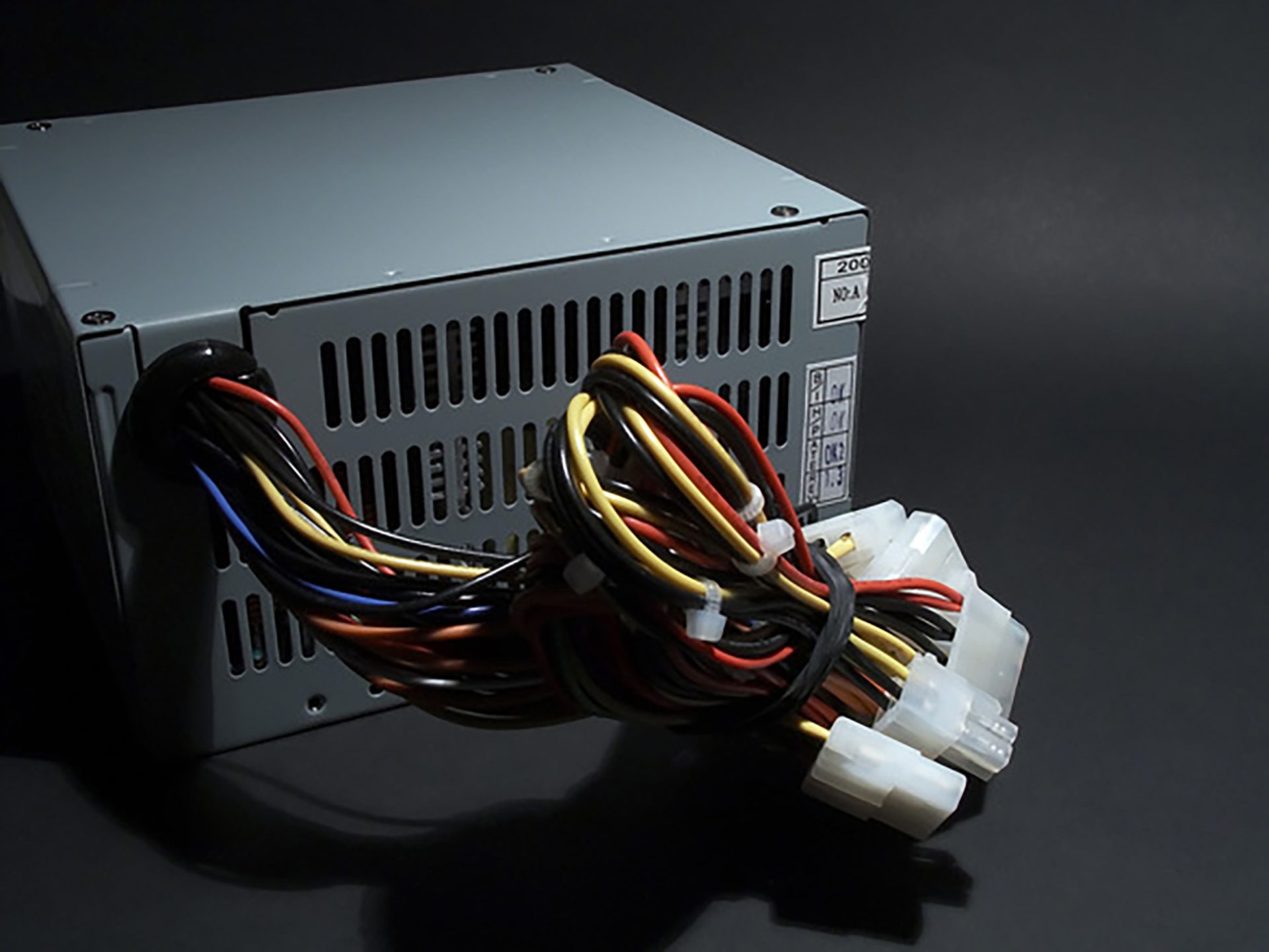
Industrial generators running on diesel and those running on gas both depend on one important part: the automatic voltage regulator, or AVR. Its role is to regulate the voltage of the electricity the generator produces, taking a voltage that fluctuates and turning it into a constant one. Most of that fluctuation comes from changes in the load placed on the supply system, and if the voltage were not held steady it could damage equipment on the power system.
Voltage swings in a supply system can be kept in check by installing control equipment at a number of locations, for example close to the generator, the transformers and the feeders. Controlling these variations takes regulators at more than one point in the system.
On a direct-current system where the feeders are all the same length, over-compound generators can be used to keep voltage fluctuation under control. Where feeder lengths differ, a feeder booster holds the voltage steady at the far end of each feeder.
Alternating-current systems use other methods, including induction regulators, shunt condensers and booster transformers.
A voltage regulator operates on the principle of error detection. A potential transformer samples the output voltage of the AC generator; that signal is rectified, filtered and checked against a set reference. The gap between the real voltage and the reference is called the error voltage. An amplifier boosts the error voltage and feeds it to the main exciter or the pilot exciter.
Through boost action, the amplified error signal governs the pilot exciter's excitation. By controlling what the exciter puts out, the regulator in turn controls the terminal voltage of the main alternator.
An AVR has these main functions:
- It regulates system voltage and keeps the machine operating as near as possible to steady-state stability.
- It shares the reactive load among alternators running in parallel.
- It limits the over-voltages that can follow a sudden loss of load on the system.
- Under fault conditions it raises the system's excitation, so that maximum synchronizing power is there while the fault is cleared.
In short, the AVR makes sure the system delivers the same voltage across varying load conditions.


