
How FERC Opened Up Access to Electric Transmission
What does open access mean?
Electric transmission has long wrestled with one basic difficulty: the business is by nature a monopoly. To open electric generation to more competition, the Federal Energy Regulatory Commission, or FERC, has been developing an open access policy. Greater competition lets customers choose among many power companies instead of being obliged to buy from the local utility that holds the monopoly.
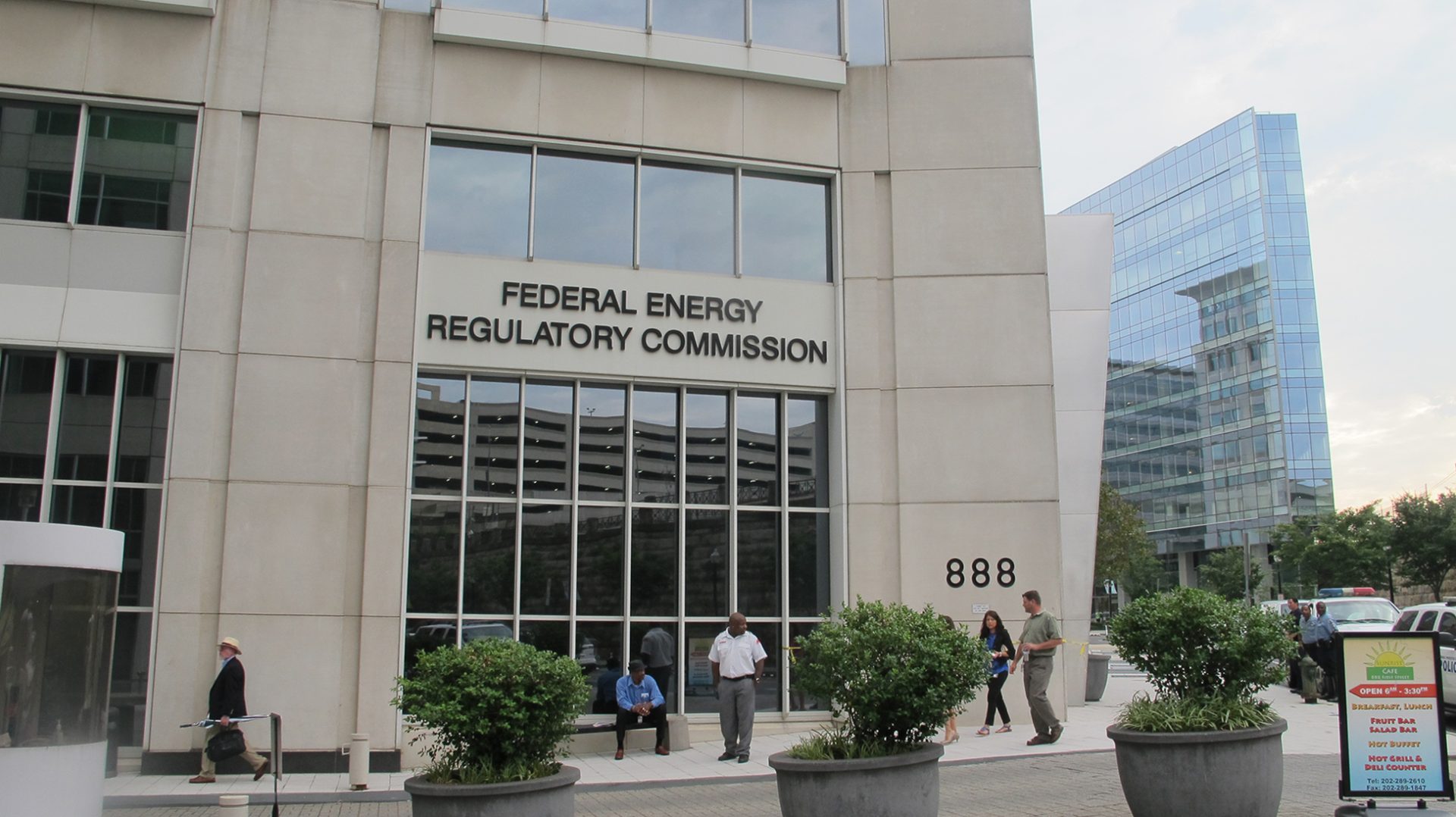
FERC oversees what transmission services cost and the terms and conditions attached to them, and it does the same for interstate sales of power. The commission issued Orders 888 and 889, two major open access rules, on April 24, 1996. Their purpose was to restructure the electric utility industry so that it became more competitive. Above all, the orders oblige every public utility to offer open transmission access on a non-discriminatory basis. The aim of open access, which is still evolving, is a transmission system that every generator and wholesale customer can use.
Sharing transmission data through OASIS
Under Order 888, every public utility must file an open access transmission tariff, or OATT, so that all wholesale users get access on equal terms. Order 889 aims to put information about the transmission system within reach of anyone, rather than leaving it with the monopolies that used to keep it to themselves. It obliges each transmission owner to publish its technical data and information on OASIS, short for Open Access Same-time Information System.
Running in real time on the internet, OASIS is a system for sharing information. Every buyer and seller of electricity can use it to see the transmission costs charged to everyone else who buys or sells. Because the data comes from public records, transmission owners cannot gain an unfair edge when selling power over a transmission path.


