
Florida's 2018 Backup Generator Laws for Eldercare Facilities
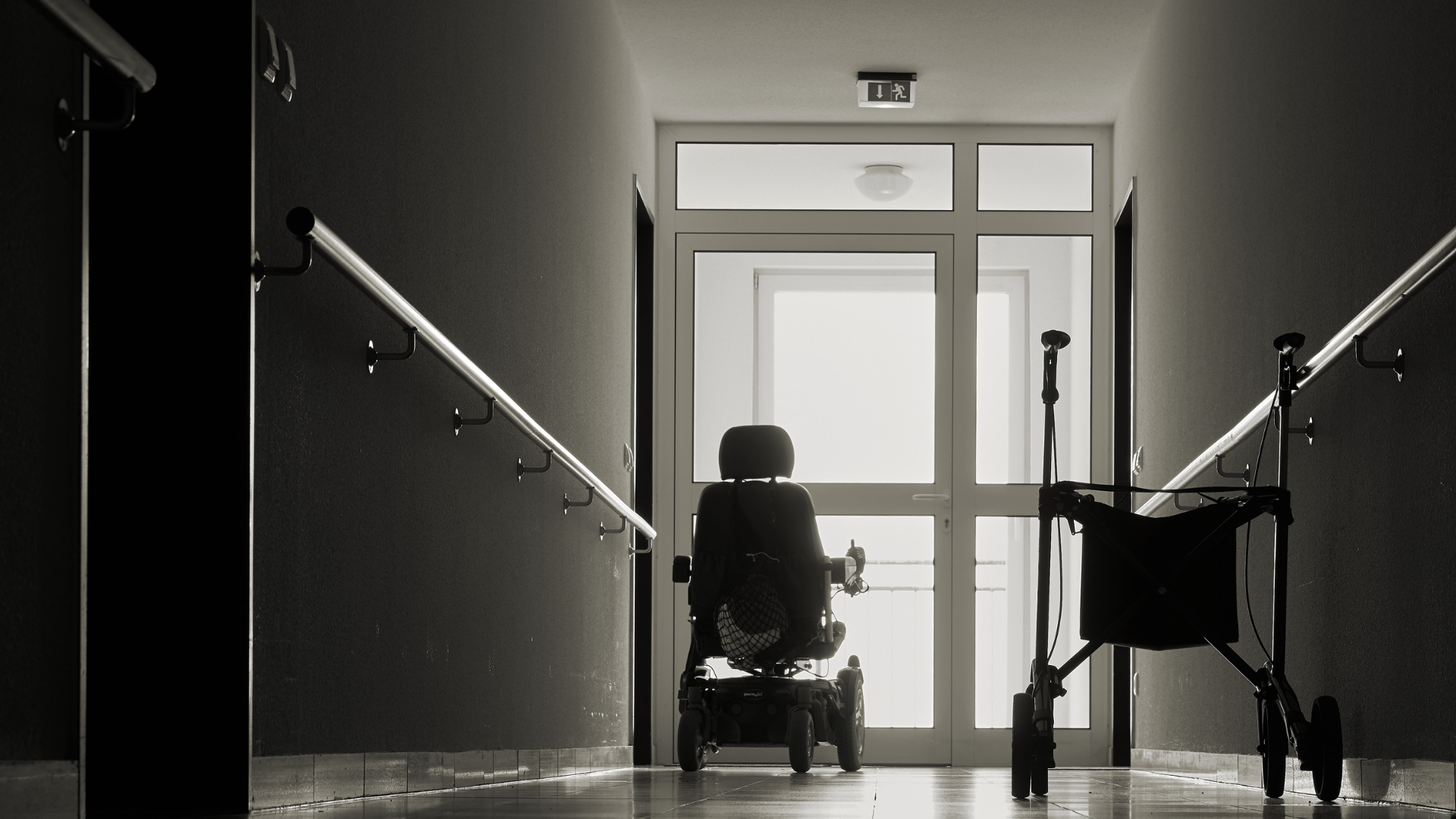
The hurricanes of the previous fall caused widespread damage in Florida communities, and assisted living facilities and nursing homes were among those hit. With the power out, nursing homes could not keep their air conditioning running, and during Hurricane Irma residents overheated and lives were lost.
In response to that tragedy, Florida lawmakers approved new legislation in March of 2018 under which every eldercare facility in Florida, nursing home or assisted living, must have a backup generator. Under these laws, facilities have to give each resident no less than 30 square feet of space where the temperature stays under 81 degrees.
Every nursing home has to keep 72 hours' worth of generator fuel on site, and the same applies to larger assisted living facilities. Those with fewer than 17 beds need only 48 hours' worth. Backup generators must be capable of controlling temperature for 96 hours or more.
The laws were set to take effect on June 1, 2018. Inspections to check compliance were to be carried out by the Florida Agency for Health Care Administration, by emergency management staff in certain counties, and by local fire departments. Facilities that fail to comply could face fines or have their licenses suspended.
An earlier version of the two laws had been put forward straight after Hurricane Irma struck in September. When challenged in court, that emergency rule did not survive, and the result was the two new laws, which went through Florida's legislature and were signed by the governor early in 2018.
With these laws, Florida became one of a small number of warm-weather states, California and North Carolina among them, that require backup power capability on site. Long-term care providers serving Medicare and Medicaid patients already have a mandate to be prepared for emergencies, but that federal law does not apply to every facility, nor does it set a specific ambient temperature.


