
Why Fuel Prices Rise and Fall
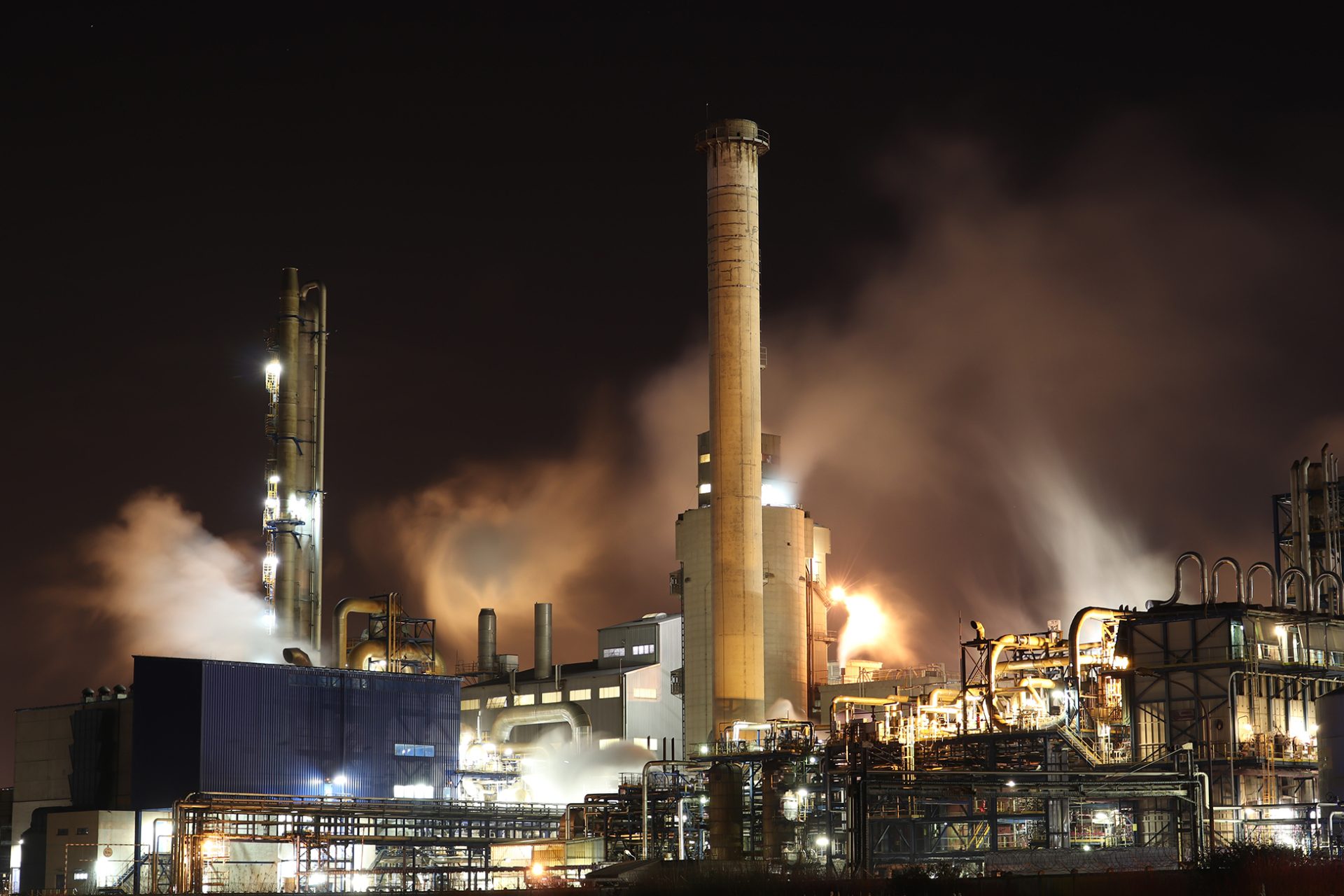
Fuel prices climb and drop for many reasons. Like the value of any other asset, they move with supply and demand. Sharp swings are rarely welcome, but the steep falls seen in 2016 were greeted warmly by most buyers.
At the time, many oil-producing regions were pressing OPEC to cut output. Lower production with demand still high would push prices up. Because prices can jump sharply at any moment, it made sense for consumers to take advantage of the low prices while they lasted. Below are some of the forces that shape what drivers and generator owners pay for fuel.
Some observers see fuel prices as a mirror of the global economy. Could cheaper fuel point to an economy that is settling down? Possibly. The cause-and-effect link between the two may only go so far, but studies suggest a strong correlation between fuel prices, consumer confidence and spending habits. When fuel costs rise, so does the cost of transport and of moving goods, and that extra cost is passed on to consumers as higher prices.
For anyone who relies on a generator, cheaper gasoline and diesel look like a chance to build up a fuel reserve. The catch is that most gasoline begins to degrade after 6 to 12 months, and fuels blended with ethanol can have an even shorter shelf life. Perhaps low prices would hold, and diesel would stay affordable for years. What fuel prices will do in the future, though, is anyone's guess.


