
Preparing for Hurricane Season: Evacuation, Home and Backup Power
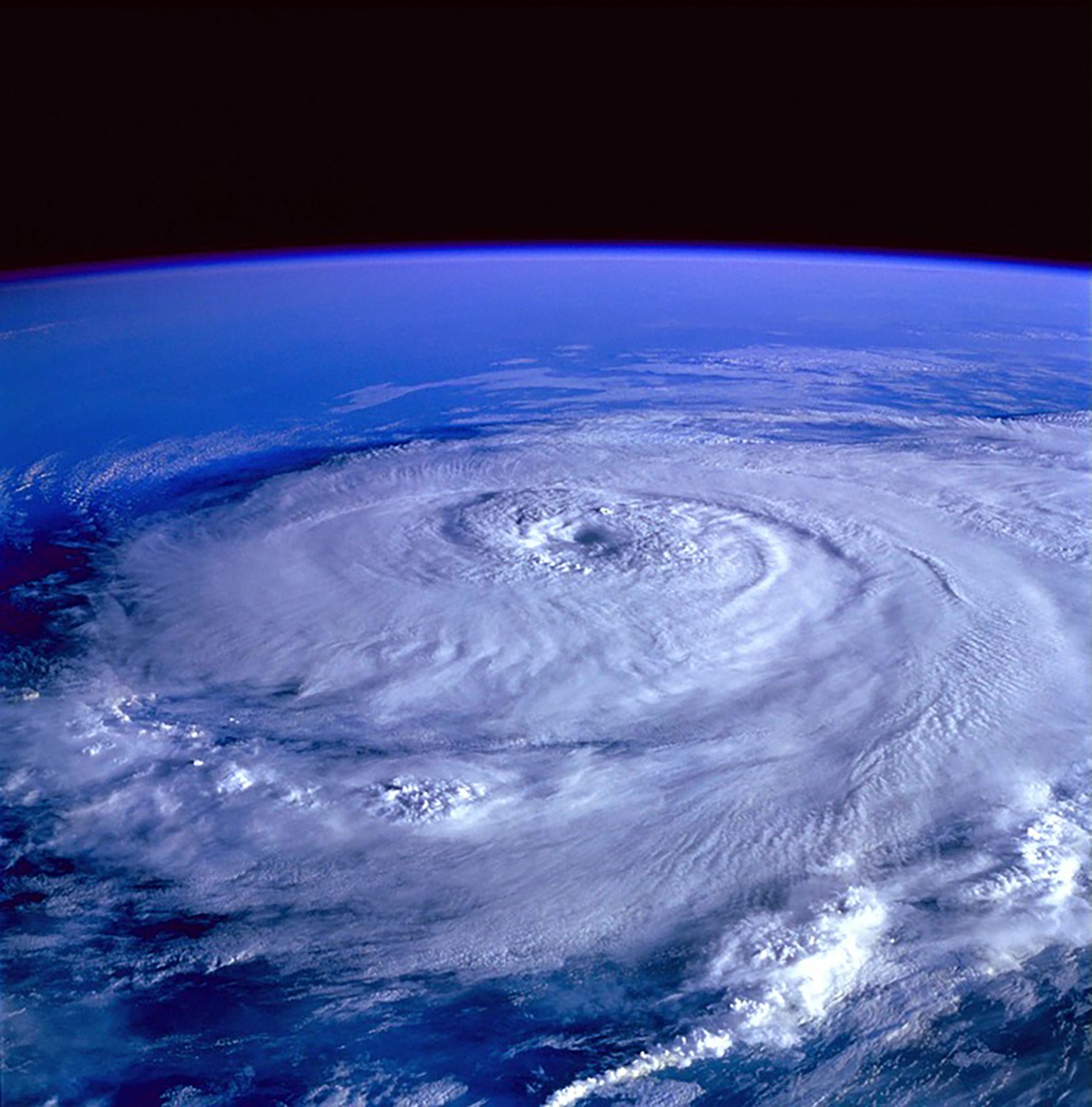
In the Western Hemisphere, hurricane season gets under way in June. Anyone living where these storms may strike should avoid being caught off guard, and there is no such thing as starting your preparations too soon. Get ready for a disaster well before a hurricane arrives, then put those plans into action as soon as emergency officials issue an alert.
Getting Ready for the Season
If your home sits in an area that hurricanes regularly pass through, these are the precautions to take:
Make an Evacuation Plan
A storm surge can rise as high as 20 feet, forcing residents to leave coastal areas, so being ready to evacuate matters. Work out a checklist and a route, and agree on a fixed meeting point where the family will regroup if anyone gets separated on the way out.
The checklist needs two parts: the jobs to finish before you go, and the things to take with you.
Before You Leave Home
Get the house ready to ride out the storm before you set off. Clear away loose debris in the yard that wind or floodwater could pick up. Board up the windows with plywood or fit stormproof shutters. Where possible, carry valuables up to a second floor, where flooding is less likely to reach them. Right before you leave, unplug electronics and appliances, shut off the gas, electricity and water, and lock every door and window in the house.
Paperwork for the Evacuation Bag
Keep paper and digital copies of key documents together in a waterproof case. That means your passport, birth certificate, social security card and driver's license, your homeowners or renters insurance, and account details for your bank and credit cards.
Put medical records, medical insurance information and your doctors' contact details in the same waterproof bag, so that any treatment you need can go ahead without delay. Every family member should also carry contact details for one another, for relatives or friends living outside the disaster area, and for the Red Cross or a similar relief organization.
Add a spare set of car and house keys to the waterproof container as well.
Food and Water
Food and water rank among the most important things on the list. Pack enough non-perishable food and fresh water for three days or more, along with a can opener, cups, utensils, paper towels and anything else your household will need for meals while away.
Hygiene and First Aid
Keeping clean matters in crowded shelters, so bring toilet paper, toothbrushes, soap, towels and moist towelettes.
First aid supplies are a must when evacuating. A basic kit should hold over-the-counter medicines, insect repellant and sunscreen. Take any prescription medicines too, with enough to last seven days.
Gear for the Unexpected
Next come the items that help you handle unusual situations. A flashlight and a radio, each with spare batteries, plus a compass, maps and one whistle per person will keep you in touch with what is happening even with no power. Bring your cell phone and its charger for places where there is electricity and coverage. Pack matches as well, plus either a pocket knife and screwdriver or a multitool. Carry cash, since shops running without power or at reduced capacity may be able to take it when cards will not work.
Plan on a few days away, whether at a hotel, a shelter or a relative's house, and pack a full change of clothes. Rain gear, protective clothing and sturdy shoes are useful during the evacuation and also when you go back to damaged neighborhoods. A sleeping bag, an emergency blanket, a light blanket and a travel pillow will make the family more comfortable.
An evacuation involves plenty of waiting around. Games and toys that need no electricity help pass the time, as do a few books for every member of the family.
Pets make evacuating a little more complicated. Many emergency shelters do not accept animals, so find out ahead of time where pet-friendly shelter is available or pick a boarding facility. Pack your pet's food, water and medicines, plus a collar with your contact details and proof of vaccination. A second collar for the evacuation, carrying the number of a relative or friend based away from the storm zone, is worth considering: that person is more likely to pick up the call and to be able to collect your pet if needed.
Protect Your Home
In an area prone to hurricanes, it pays to strengthen your house against damage as far as you can. Some ways to do that:
- Check the walls, roof, doors and windows for weak spots or defects that a hurricane could make worse, and seal any holes, cracks or leaks that would let water in.
- Clear the lawn of debris, hanging branches and unstable trees so they cannot cause expensive accidents or injuries while the storm passes.
- Fit storm shutters to protect the windows from high winds. If money or time is short, screw plywood over the windows instead. If you have the room, a windowless room with solid walls is a safe place for family members and treasured belongings.
- Before a big storm arrives, confirm that the sump pump works as it should, to head off flooding or plumbing problems.
- Check that your insurance policy covers what you think it does if the hurricane damages your home. If you can afford it, consider taking out flood coverage as well as expenses coverage, in case hurricane or flood damage leaves the house unlivable.
- Keep a record of everything in your home. Along with a written list, take photos or video of all of it, so you have clear proof of what you owned before anything was lost or damaged.
Consider a Backup Generator
Hurricanes frequently cause power outages, and a backup generator might prove lifesaving for the people in your home. Because it keeps producing power for as long as it is supplied with fuel, it suits both brief and extended backup needs after a natural disaster.
Servicing the Generator Before a Storm
Preventive maintenance is central to getting dependable service from a generator, keeping repairs to a minimum and lowering costs over the long run. Looking after your electric generator properly helps make sure you are not left without power during hurricane season.
Storing Fuel
Generator fuel has to be stored correctly. For a diesel unit, swap out the fuel at a minimum of once every 12 months. If fuel is stored poorly or left unchanged, condensation can form and do serious damage to the generator once it is started.
For homes or businesses with especially vulnerable occupants, such as young children, older people or anyone who relies on health equipment, a key precaution is to keep a minimum of 72 hours of fuel in reserve at all times. That reserve keeps things running if a local disaster causes severe fuel shortages.
Avoiding Failures
If you count on a standby generator to run your home or business when the grid fails, book routine maintenance for it. Like any other mechanical equipment, a generator needs regular tune-ups and servicing. Don't wait for a storm to be on its way before finding out whether it works: replace the oil, fuel and air filters on schedule, and have a technician check the condition of its other critical components.
If you need filters or other parts for your unit, you can send us a parts request. For more maintenance advice, see our standby generator maintenance checklist.


