
How Generators Produce Electricity
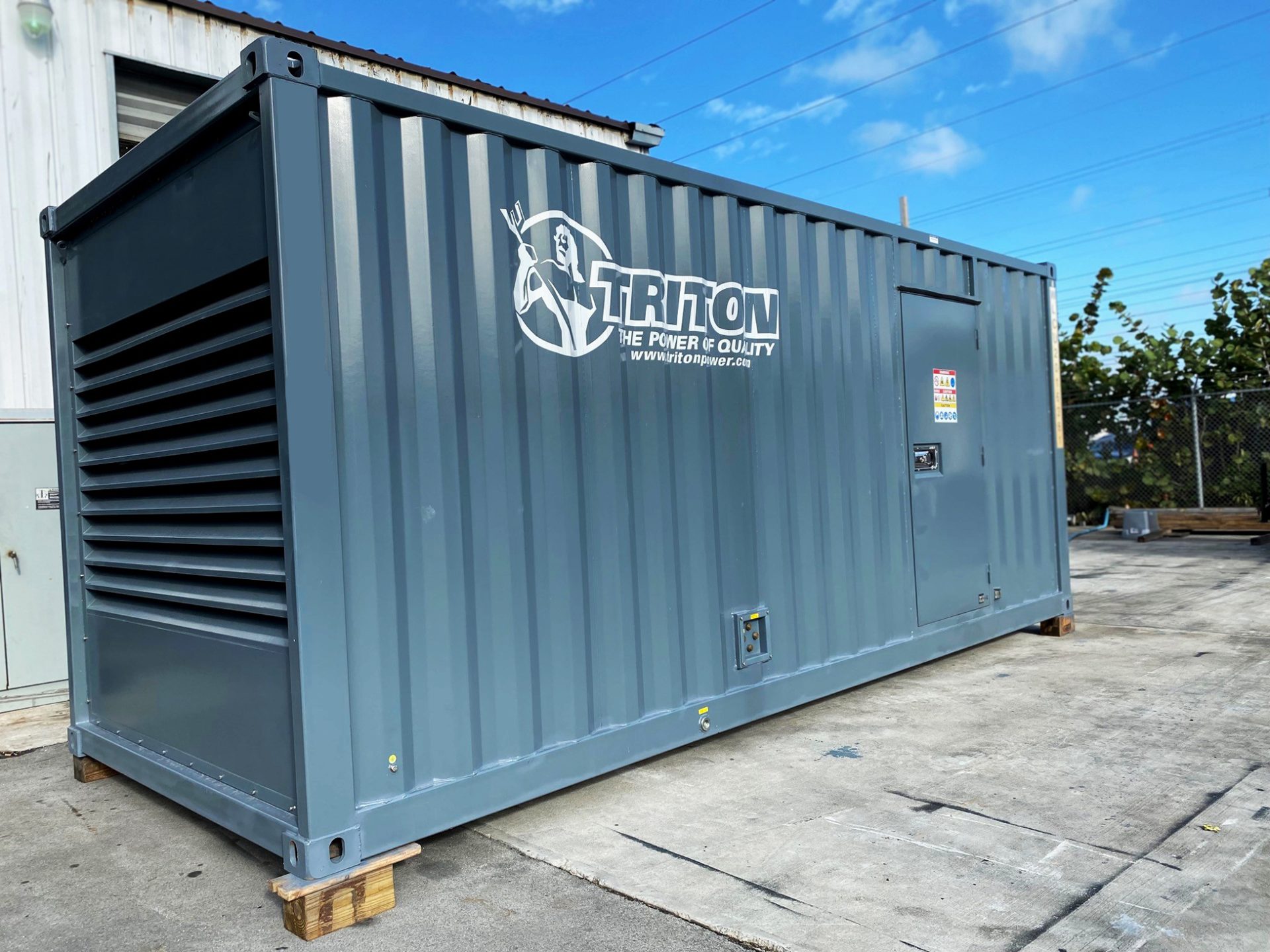
Businesses and households today expect a steady, dependable supply of power, and that expectation matters more now than at any time before. Hospitals, data centers, homes and factories all depend on electricity that never stops. That is where the generator comes in, a machine that has taken on growing importance in modern infrastructure. Have you ever wondered what actually goes on inside one? This article sets out to explain how these valuable machines do their job.
The Basics
Generators have become essential tools in everyday life. Fundamentally, a generator is a carefully engineered device whose central job is to take mechanical energy, or kinetic energy, and convert it into electrical power. Understanding that basic function is the first step to understanding how generators work.
A generator does for the modern world roughly what the heart does for the body: it keeps homes lit, devices charged and industries running. Changing energy from one form into another can look straightforward at first glance, yet the design detail and precision behind it are genuinely impressive.
Generators keep improving in efficiency and capacity as technology moves forward. Older mechanisms laid the groundwork for today's systems, which are more dependable, more sustainable and more versatile. From a compact portable unit taken on a camping trip to a huge industrial set running a manufacturing plant, a grounding in the way generators operate helps you appreciate the part they play in modern life.
The Physics of a Generator
Every generator relies on one principle, electromagnetic induction. Put simply, when a conductor moves through a magnetic field, a voltage is produced. That is the basic mechanism a generator uses to change physical energy into electrical power: mechanical motion acting on a magnetic field to create the electricity people depend on so heavily.
Generator Types and the Fuels They Use
Generators come in many types, each built for particular needs and settings. Faced with so many options, people often ask: what do generators run on?
There is more than one answer. A generator can run on several fuels, and each has its own strengths and points to weigh:
- Diesel: Valued for efficiency and long service life, diesel generators appear in many industrial installations. They usually deliver more power, which suits large-scale operations.
- Gasoline: Gasoline is used mostly in portable generators, which start easily and tend to be more compact. For anyone asking how gas generators work, the main point is how simply gasoline combustion is turned into power.
- Propane: These units are known for burning cleaner, and propane keeps longer in storage. That can make a propane generator the more environmentally friendly option for many operations.
- Natural Gas: Fed continuously from a utility supply, natural gas generators never need refuelling and so provide a consistent source of power.
Sustainable solutions are on the rise as well, and new generator technology keeps arriving. Solar-powered and hybrid designs show how the field is changing, reflecting a growing commitment to sustainability.
The Main Parts of a Generator
To see in more detail what happens inside an electric generator, it helps to know the key components that operate together.
- Engine: The core of the generator, which burns fuel to create mechanical energy.
- Alternator: The part where that mechanical energy is turned into electrical energy.
- Voltage Regulator: The component that protects the output by keeping it stable.
- Fuel System: Covering how fuel is stored and delivered, this largely decides how long the generator can keep running.
Working as one, these parts keep electricity flowing smoothly.
Where Generators Are Used
How much generators matter becomes very clear once you look at where they are used. Picture a busy hospital, with the heartbeats of many patients tracked by the steady beeping of life-support equipment, and then picture the power suddenly failing. The quiet that followed would be alarming. A scene like that shows why it is worth understanding what generators do. This is about more than electricity; lives depend on it.
Large data centers, which hold the digital records of millions of people, are another example. A power cut nobody expected can wipe out enormous amounts of data, which could cost businesses billions. Dependable generators keep those centers running and protect valuable data when the power unexpectedly drops out.
Outdoor events also lean heavily on generators, from music festivals to large weddings. Thousands of people come together to make memories, and generators keep those occasions lit and running without a hitch.
Industries running continuous manufacturing processes cannot afford to stop. Each second of interruption can mean lost revenue and broken supply chains. Here too generators step in, keeping production lines moving and economies growing.
Generators serve a huge variety of uses, from disaster recovery in areas hit by catastrophe to everyday backup power in offices and schools. Often quiet and barely noticed, they underpin the uninterrupted way of life people now take for granted.
Conclusion
As dependence on electricity keeps growing, generators become more important still. More than machines, they are lifelines that keep the modern world running. Next time someone asks how a generator works, you will know the answer and also appreciate the careful interplay of mechanics and physics inside every unit.
Keep Your Business Powered Through Outages
Power interruptions do not have to bring your operations to a halt. A reliable, efficient generator lets your business keep working whatever comes its way. Browse the generator listings or send us your requirements, and our team can help you choose a unit that keeps your power uninterrupted.
Industrial and Commercial Generators: Frequently Asked Questions
Commercial and industrial generators tend to raise questions. Below we answer some of the general ones we hear.
What does a generator do?
A generator takes mechanical or kinetic energy and converts it into electrical energy by means of electromagnetic induction. It produces electricity where no conventional power source is available or when an outage hits, keeping power flowing for uses that range from homes to industrial operations.
Why do businesses need commercial and industrial generators?
These generators keep a business running through power outages, protecting it from possible losses and keeping critical functions going.
Which fuels can a commercial generator use?
Depending on its design, a commercial generator can run on diesel, gasoline, propane or natural gas. Which one makes sense usually comes down to cost, availability and the particular needs of the business.
What service interval suits a commercial generator?
Regular maintenance checks keep commercial generators performing well. The right interval varies, but a common rule of thumb is to service the unit at least annually, or once it has logged a set number of operating hours.
How loud are commercial generators?
Generator noise depends on the unit's size, design and enclosure. Many modern commercial generators are supplied with sound-attenuated enclosures that cut down noise pollution.
What limits a commercial generator's continuous runtime?
That depends on the generator's design, its fuel capacity and the load it is carrying. Some units are built for extended operation, while others may need to rest from time to time.


