
Draining Gasoline from a Generator: When and How
Proper care keeps a generator running reliably for years, and handling its fuel correctly is part of that care. Gasoline that has gone old or stale can lead to trouble, including hard starting. Knowing how to empty the fuel safely and effectively, when the time comes, helps protect the generator.
Knowing When the Fuel Should Come Out
Before getting to the procedure itself, it helps to know when draining is called for. Consider emptying the gas in these situations:
- The generator has sat unused for a long time: If the unit has been idle for an extended stretch, removing the fuel helps head off fuel-related problems.
- Ahead of long-term storage: Draining is essential before you put the generator away for a long period, particularly through the summer months, so that the fuel does not deteriorate inside it.
- As a routine: Making it part of regular maintenance is good practice, so the tank always holds gas that is fresh and stabilized.
The steps below walk through the job from start to finish.
Draining the Gas, Step by Step
- Pick a spot with good ventilation: For safety, move the generator somewhere with plenty of fresh air before you begin.
- Loosen the tank cap: Opening the gas cap lets air move through the system.
- Expose the fuel lines: Make sure you can reach the fuel lines easily, carefully taking off any plastic cover that is in the way.
- Close the fuel valve: Turn the valve to "Off" so that it is shut when one end of the fuel line is disconnected.
- Detach the fuel line: Find the clip holding the fuel line that is not connected to the gas tank. Remove the clip with care, then pull the tube off the fuel valve.
- Set out a container: Put a bowl or other container next to the generator and place the free end of the fuel valve's tube in it. Tip the generator slightly so the fuel collects on one side and flows out through the disconnected line.
- Open the fuel valve: When the bulk of the fuel has run out, turn the valve back to "On" so that whatever fuel is left can drain from the generator.
- Reattach the fuel line: Fit the fuel line back on carefully and make sure it is secure. Close the fuel tank lid and refit any plastic casings or covers you removed.
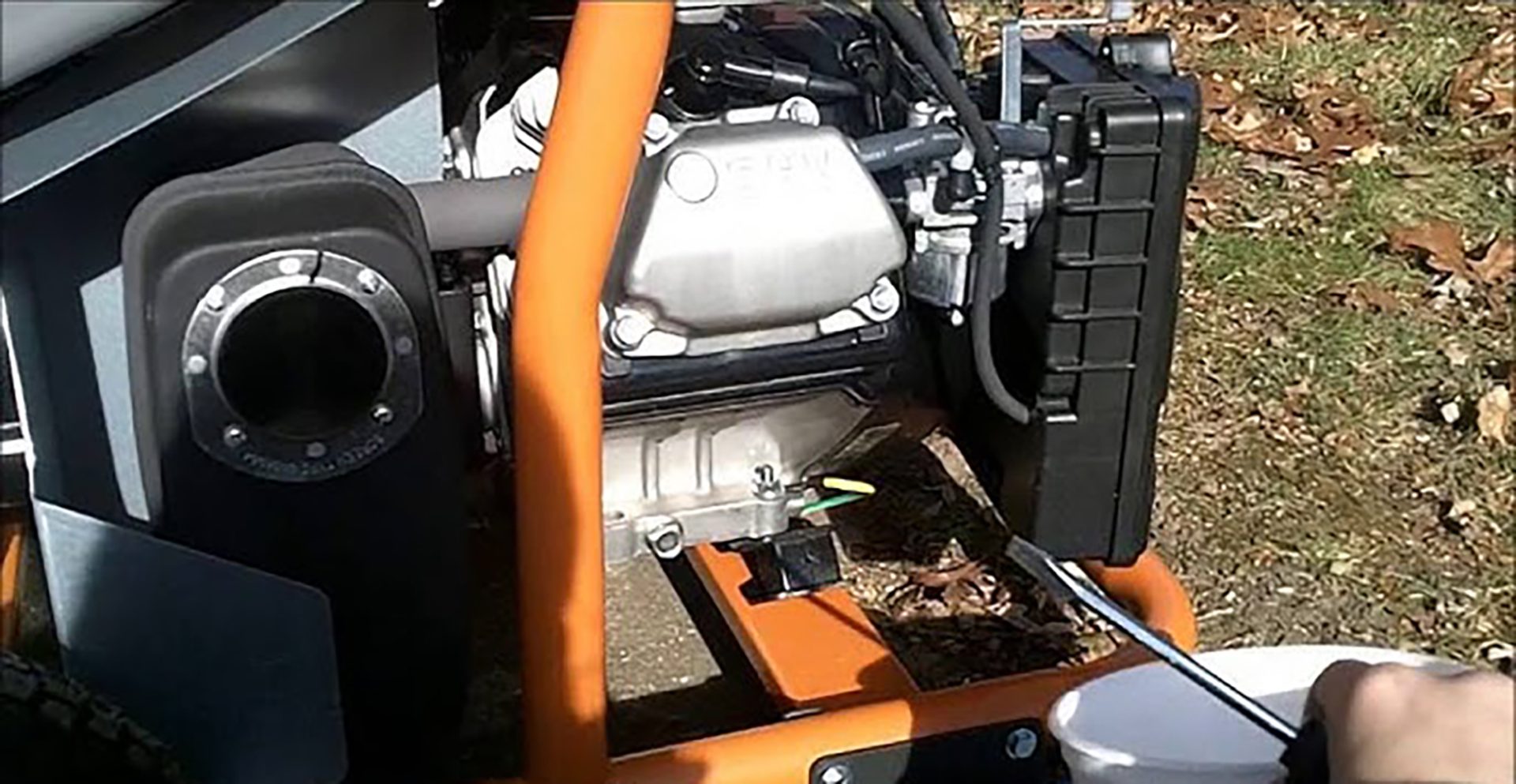
- Find the carburetor: Check the manual to see where the carburetor sits on your model. Take out its bolt and let the remaining gas run into the container.
- Tighten the bolt: Put the bolt back into the carburetor and tighten it firmly with pliers.
Draining the gas at regular intervals is an easy maintenance job, but an important one for keeping a generator dependable and long-lived. Following the steps above keeps the unit in good working order and ready for whatever power needs come up. A little care now means the generator will be there whenever it is needed.


