
Breaking In a New Generator Engine: Step by Step
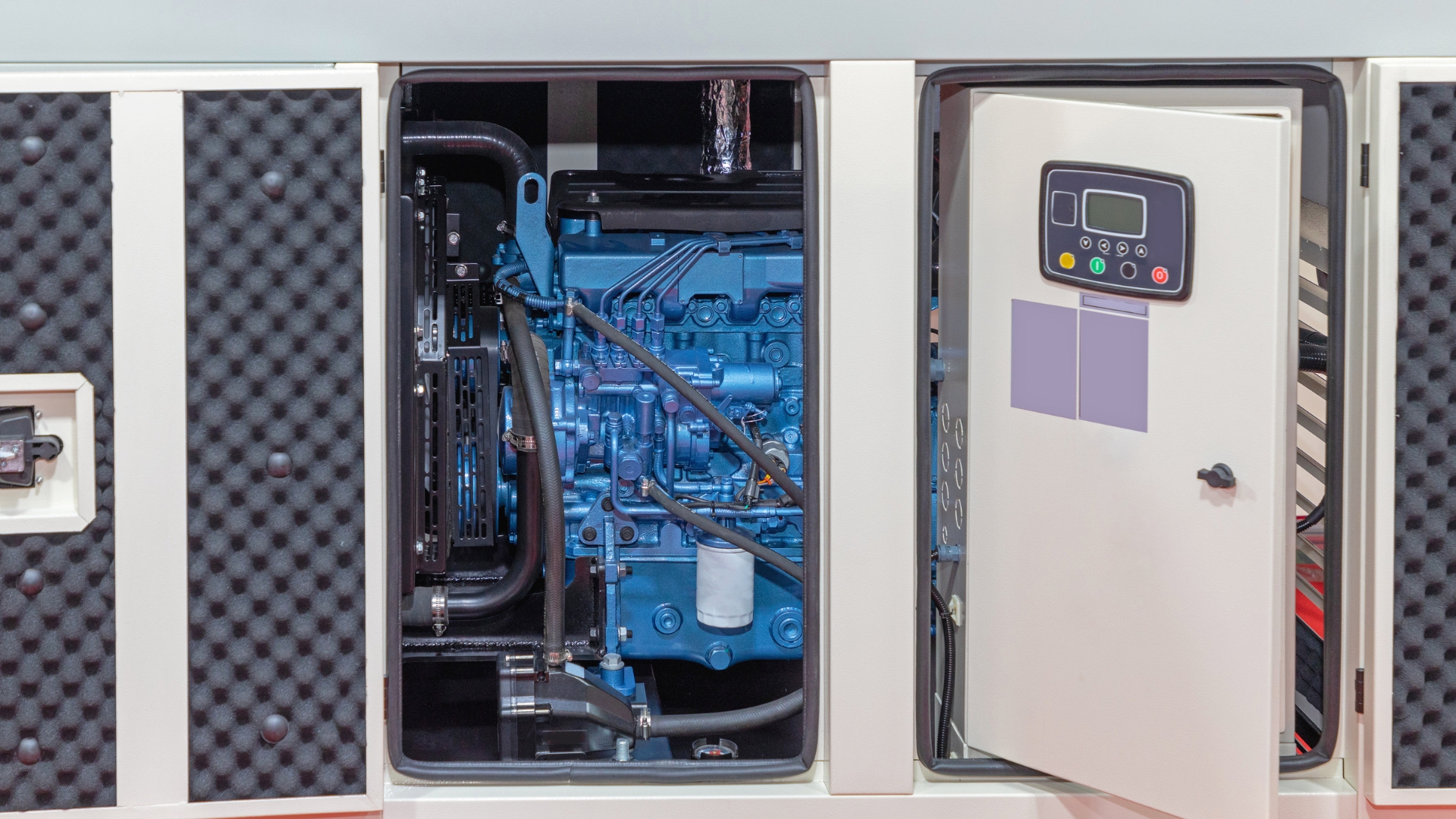
A new generator has to be broken in, just like any new or refurbished engine. A proper break-in helps both the engine and its other components last longer, since a badly broken-in engine can produce outputs that affect them. Carry out the break-in well before any emergency, for two reasons: you stay in control of the procedure, and the generator will run as efficiently as it can when an emergency does come.
Breaking in the engine lets oil lubricate the pistons and rings properly whenever the unit is running, and it stops combustion by-products from escaping the chamber.
Break-in procedures for generators have changed over time as engine technology has developed. To be sure your generator engine is broken in correctly, check the owner's manual, since every manufacturer sets out its own break-in guidelines for its engines.
Fill the oil reservoir before you start breaking in any generator. The oil must also be changed partway through break-in; your owner's manual gives the timing. While the pistons and rings are wearing in, small metal particles break away and end up in the oil, and frequent oil changes flush them out of the generator.
With the correct fuel in the tank, run the generator with no load for the length of time the manual specifies. On small portable units that run on gas, that could mean an hour or longer; for large diesel gensets, it is probably just long enough to test the installation.
Next, put the generator under heavy load for up to 100 hours. The manufacturer's guidelines will give the exact load and duration. Running a generator too lightly, during break-in or at any time in its life, lets soot, oil and other contaminants build up inside it, particularly in diesel gensets.
The engine grows more efficient as break-in goes on, up to the point where it has logged 100 hours or more.


