
Load Management for Standby Generators: Staying Within Capacity
A standby generator supplies electricity when the grid goes down. If the generator is permanently installed and automatic, its engine starts as soon as it senses an outage, and the transfer switch moves the home's electrical system onto it, in part or in full. Switching over this way separates the house from the utility lines, which keeps the generator from being overloaded and protects line workers from electrocution.
How much power a home draws
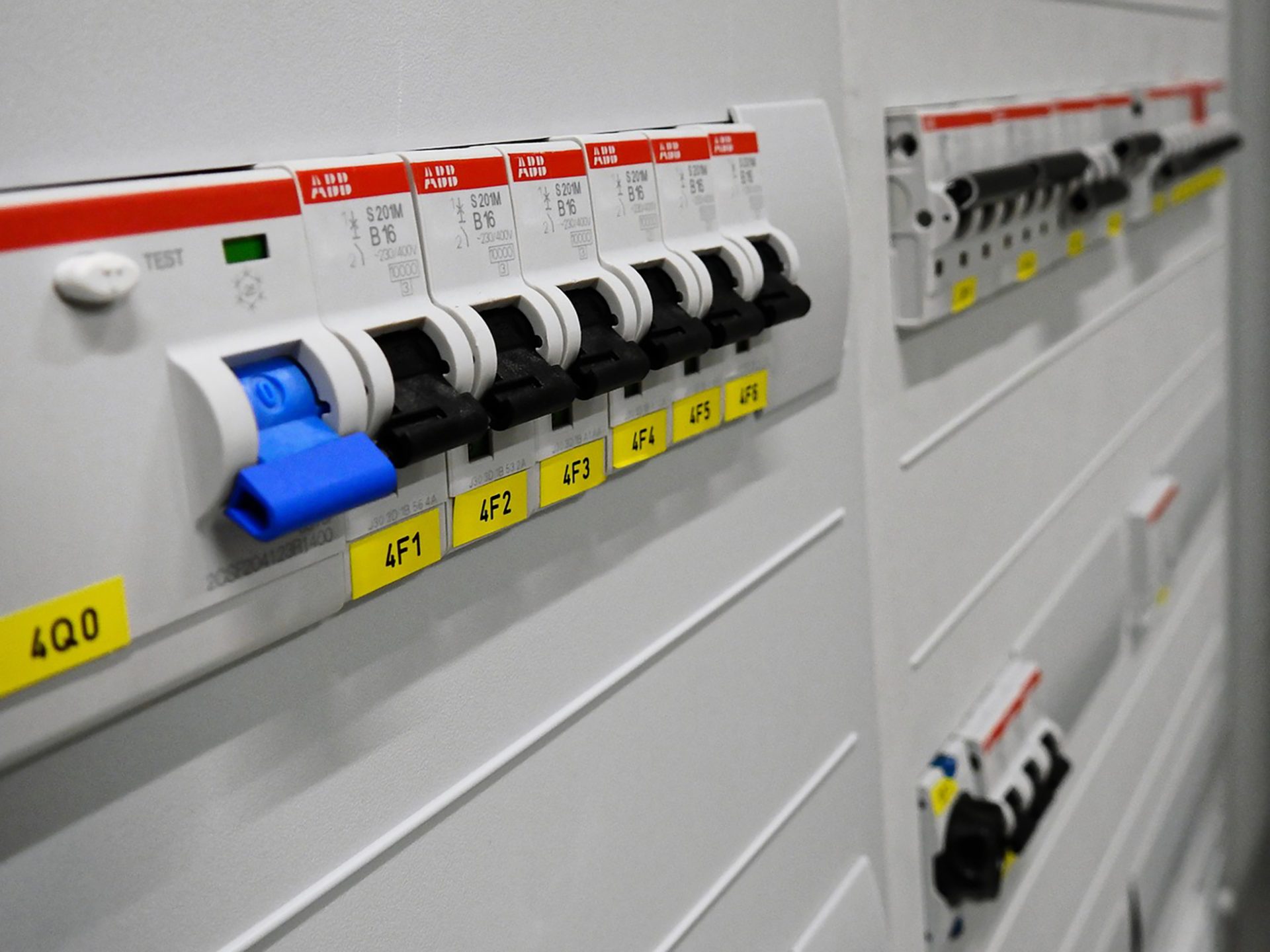
If you add up the amperage ratings of the branch circuits in your service panel, the total will be higher than the rating of the main breaker. A house has many branch circuits, and each one has its own breaker to keep its wiring from being overloaded.
Most homes have 200-amp service, split among a combination of 15- and 20-amp breakers. Circuits seldom run flat out, and the main panel is rarely pushed to its full capacity.
Power management
With a 16-kilowatt generator and plenty of appliances to supply, you will have to manage power. Switching everything on together could push total demand past that 16-kilowatt limit.
Managing power lets you use a range of appliances, just not all of them simultaneously. Find out how much power each device draws, then add up the figures so that whatever combination you run together stays under the generator's capacity.
It comes down to setting priorities. Decide which appliances are essential and which can sit idle at any given moment. Managing the load keeps you from running too many power-hungry devices at once. Remember too that 240-volt appliances draw a large share of the current.
A smart transfer switch together with external relay modules is a good way to put power management into practice.


