
Video: Wet Stacking in Standby Diesel Generators, Explained
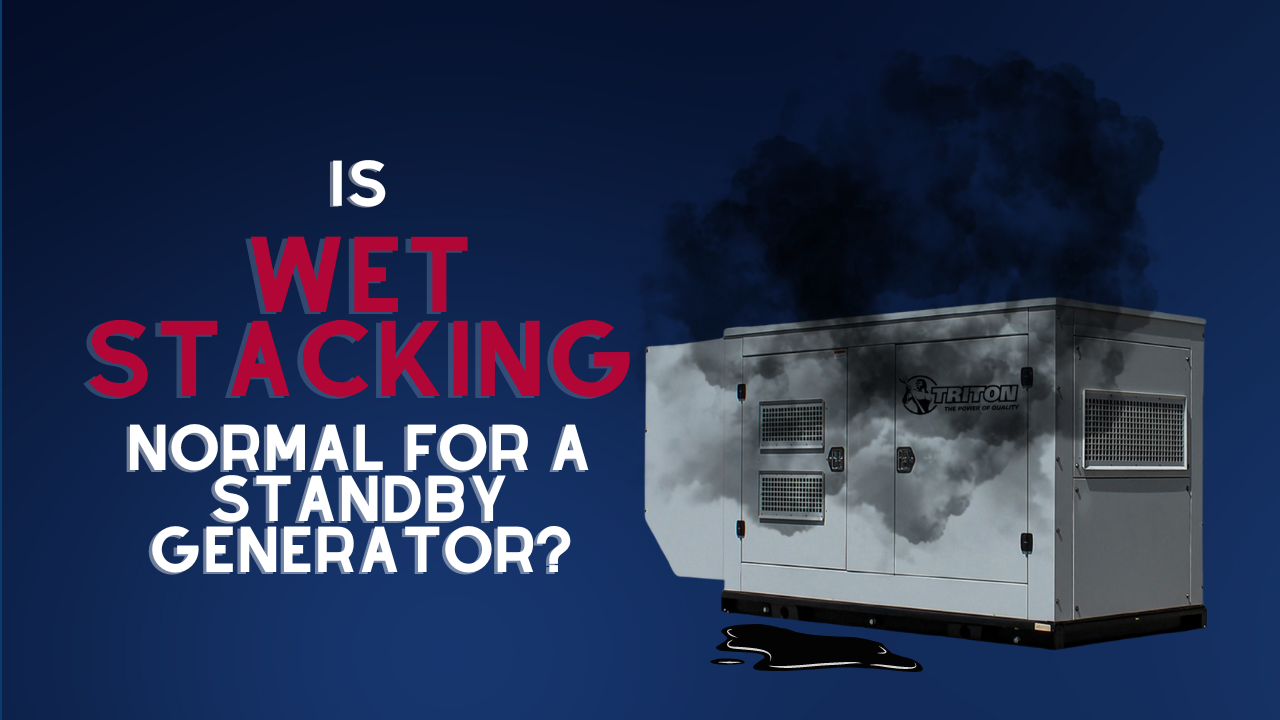
Across many industries, diesel generators provide dependable backup electricity at the moments it matters most. One problem that can affect diesel generators, though, is wet stacking. Should a standby generator owner expect it as a matter of course? This article looks at what wet stacking is and why it happens.
What Wet Stacking Is
Diesel engines have long been valued for reliability and efficiency, and they are used in many fields, power generation included. Even so, their sturdy design does not make them immune to problems such as wet stacking.
Wet stacking is moisture, carbon particles and unburned fuel collecting in a diesel engine's exhaust system. It happens when an engine runs at light load for long periods and never gets hot enough to burn its fuel completely.
What Causes It
Several conditions can lead to wet stacking:
Running too cool: A diesel engine has to reach certain temperatures to burn fuel efficiently. At light loads it may never get there, so combustion is incomplete and wet stacking follows.
Light loading: Running at under 60% of rated load for long stretches can contribute to the problem.
Wrong air-to-fuel ratio: Efficient combustion depends on the right balance of air and fuel. When that balance drifts, combustion is incomplete and wet stacking can develop.
Long idle periods: A generator that has been left unused for a long time may wet stack once it is started again.
Signs to Watch For
These symptoms point to wet stacking:
Thick black liquid at the exhaust: The clearest sign is a dark, thick fluid dripping out of the exhaust.
Misfiring: Fuel collecting in the combustion chamber can make the engine misfire.
Heavy exhaust smoke: Persistent black smoke, particularly when the load is normal, means fuel is not burning completely and wet stacking may be present.
What It Does to the Engine
Wet stacking can harm a diesel generator in several ways:
Lower performance: Carbon deposits building up in the exhaust restrict airflow, so the engine loses efficiency and performance.
Higher fuel use: Fuel that does not burn completely is wasted, which pushes running costs up.
Mechanical damage: If wet stacking goes on for a long time, it can damage the engine by fouling injectors, reducing turbocharger efficiency and wearing piston rings and cylinder walls faster.
Preventing and Correcting Wet Stacking
A few deliberate steps keep it from developing:
Manage the load: Running the generator at or close to its rated capacity keeps it at proper operating temperature and stops wet stacking from developing.
Maintain it on schedule: Planned maintenance, with load testing and professional inspection, both prevents wet stacking and deals with it when it occurs.
Operate it correctly: Do not let the generator run at light load for long periods, and make sure it is the right size for the job.
Call in specialists: If you find wet stacking, get generator maintenance professionals to carry out load testing and corrective work.
So, should a standby generator be expected to wet stack? No: it is not regarded as "normal", although certain conditions can bring it on. With good maintenance, correct operation and quick action when it appears, the risks can be kept under control and the generator will go on running reliably.


