
Backup Power for Airports During Emergencies
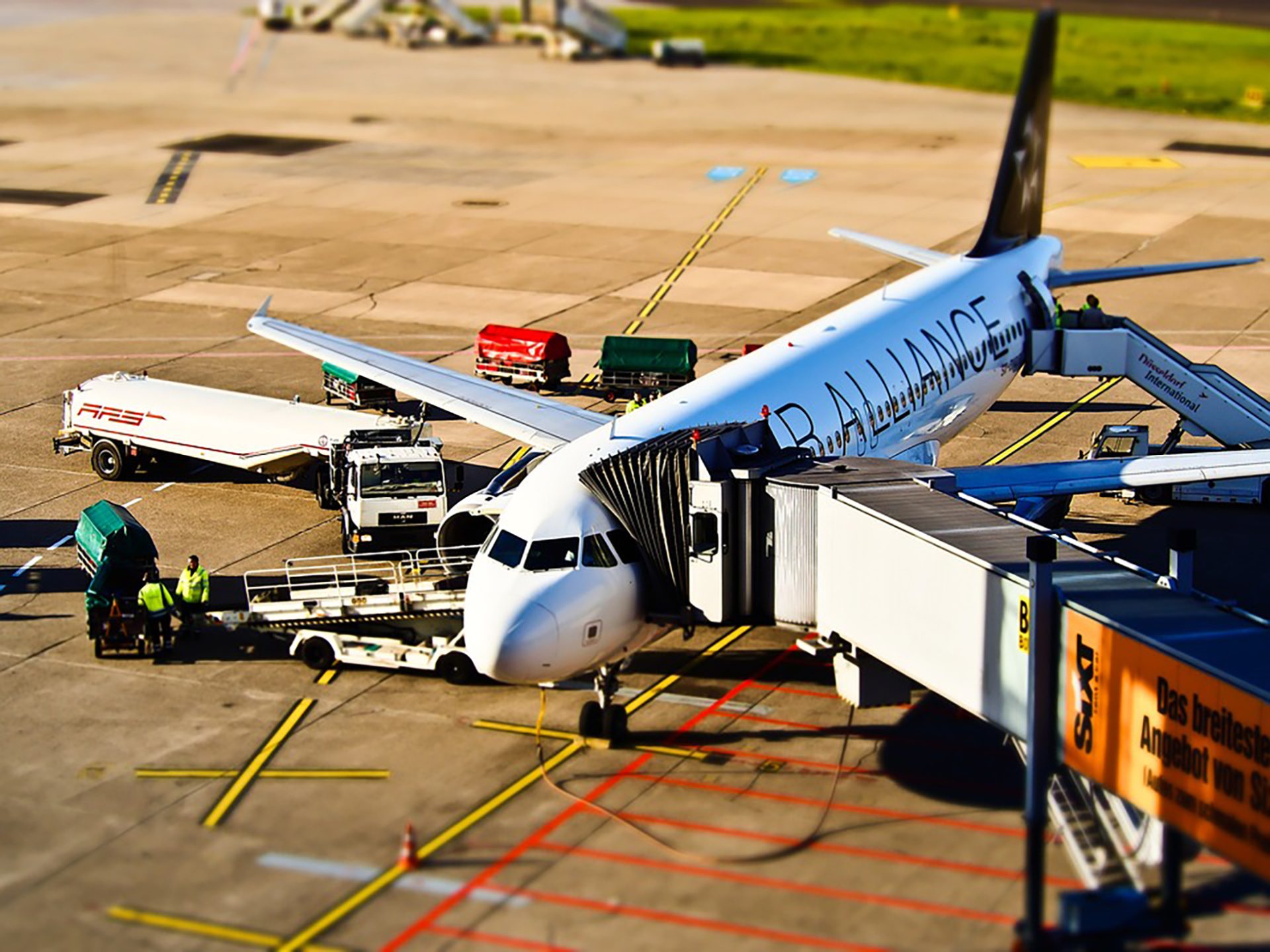
Each year on August 19, National Aviation Day marks the history and growth of flight. The date is also Orville Wright's birthday. Together with his brother Wilbur, Orville made major contributions to powered flight. They did not build the first aircraft, but they did develop the aircraft controls that made fixed-wing flight possible.
Flying is now an ordinary part of modern life, and millions of people board a plane every day of the year. Planes carry cargo as well as passengers, which keeps international trade going: commercial and private fleets carry goods continuously between distant parts of the world.
Airports therefore need a reliable supply of power to keep everything running. Traffic control, runway lighting, and the airport and storage buildings all depend on electricity, and losing power for even a few minutes would seriously disrupt how people and goods move.
Every effort goes into keeping electricity flowing to the country's thousands of airports, yet outages and interruptions cannot always be prevented, particularly when disaster strikes. Natural disasters can knock down transmission lines, and bringing them back to full capacity can take several hours or even days. Keeping airports working matters: when aircraft are unable to land because an airport has no power, relief workers and supplies cannot get to the people affected. If rescue efforts arrive even an hour late, it can be the difference between life and death for disaster victims.
Backup generators that supply temporary power during an outage are essential for keeping airports open in an emergency. Airports use so much energy that it takes an industrial-scale generator to carry their operations. Plenty of generators of this kind can be found on the market, Cummins-powered units among them, which give dependable service when it is needed.


