
How Peak Shaving With Diesel Generators Cuts Energy Costs
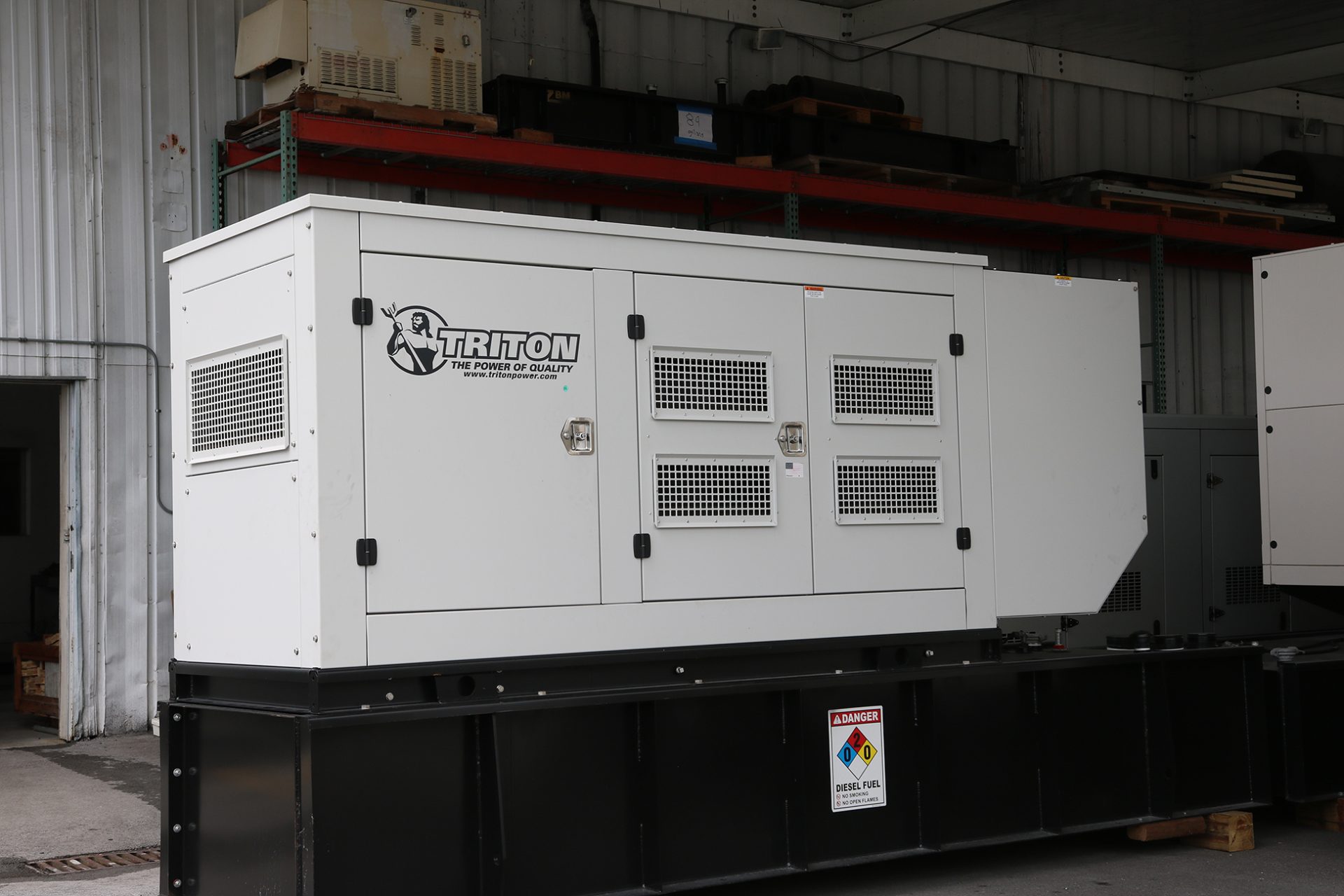
This article explains what peak shaving is and how diesel generators can help a business keep its electricity costs down when demand is at its highest.
Peak shaving means a facility cutting back the electricity it draws from the grid at times when its utility is under heavy demand. Put simply, the facility draws less power at exactly the moments the utility is short of it.
When customers switch to on-site power during those periods, they help the utility keep up with demand.
What Peak Shaving Involves
Picture your local power company struggling because everyone has turned up the air conditioning or the heating at once, and demand for electricity spikes. That is the moment peak shaving is meant for: it is the practice of trimming your electricity use exactly when the grid is struggling to keep pace.
Local electricity providers can give businesses a rate schedule that shows when the peak hours fall. Typically they run between 12 p.m. and 8 p.m., June through September, and they can last longer in warmer states such as Florida. Because demand is so high during those hours, electricity prices can climb steeply, and that is exactly where peak shaving pays off.
Peak Shaving With Diesel Generators in Practice
A real-world example comes from Atlanta's Hartsfield Airport, which took peak shaving seriously. It installed eight self-contained engine-generator modules, connected in a dual parallel 4160V arrangement.
During peak shaving, these industrial generators run alongside the utility supply and can provide 8.8MW of prime power (1100kW per module), which brings energy costs down considerably. In emergency mode they can feed 10MW to critical loads so operations carry on. The airport has saved more than $1 million a year as a result, a sizeable reduction in its utility bills.
Getting More From Your Generators
Some utility companies now go further and may pay you to run your generators beyond the normal peak shaving hours. The more run time, the more you save on electricity, and the sooner the generator can pay for itself.
Energy Efficiency
Energy efficiency matters whenever you are securing a dependable power source for a business, whether you are thinking about the next few months or the next several years. Diesel generators perform well at peak shaving and contribute to the efficiency of power generation as a whole.
They also give you a solid answer to outages, keeping operations going when the grid goes dark. Putting money into energy-efficient generators prepares a business for short-term disruptions and for the long haul, so the next time the lights flicker, your operation keeps running on the power source you chose.
Energy Savings Plus Backup Power
For a business focused on peak shaving and getting the most out of its energy spend, a diesel generator is a valuable ally. Its role goes beyond peak shaving: it puts you in control of your own power output and keeps the business running when the grid falters.
While you are cutting costs during peak hours, you are also building up savings that can be put back into growing the business. And if something unexpected happens and the grid has problems, the diesel generator takes over smoothly and supplies dependable backup power so work can continue.
The value is not only in lower energy bills. It is also in protecting the business with a power source that is ready to start whenever it is needed.
Is Peak Shaving Right for Your Business?
If you would like to try peak shaving at your facility, our team can help you choose a generator with the right output for your needs.
We can also help with an automatic transfer switch or a control panel that makes the system simpler for your team to operate. Call +1 251-314-4812 or send a message through our contact page.
Summing Up
Used for peak shaving, diesel generators give businesses a cost-effective way to manage energy spending when demand is high. Once you know when your local peak periods fall and have the right generator in place, you can cut electricity costs substantially and keep power flowing through critical periods.
Lowering energy costs this way helps the bottom line and supports a more sustainable, efficient energy system.


