
Generators and Field Power for Deployed Military Units
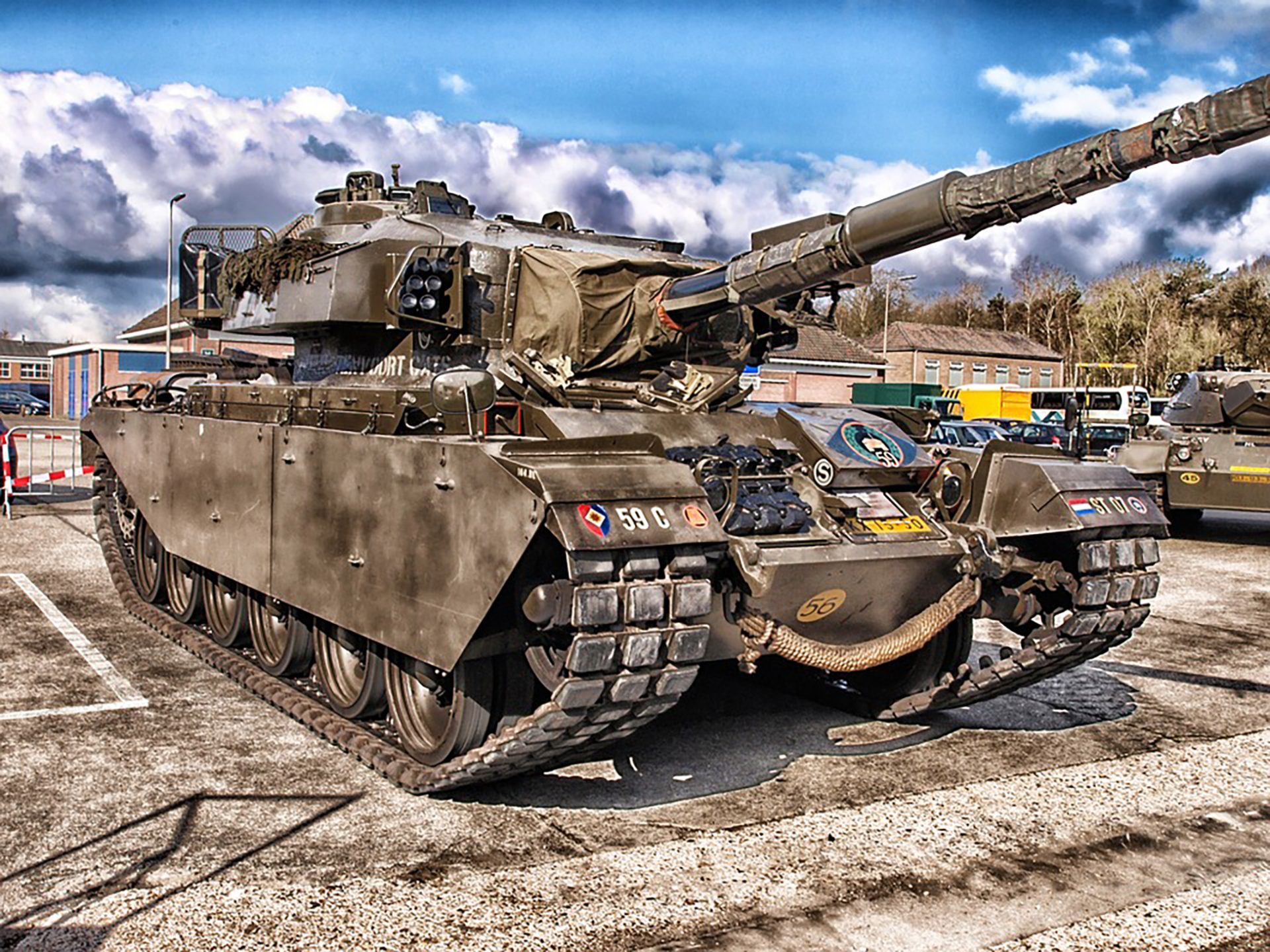
Each year on the third Saturday of May, Americans mark Armed Forces Day to honor those who serve in uniform. The day caps a longer observance, Armed Forces Week, which starts on May's second Saturday.
Events take place across the nation in tribute to service members who defend the country in peacetime and in war. They include parades, military displays and educational activities.
The celebrations help the public get to know parts of military life better, from weapons and weapon systems to military transport such as planes, ships and trucks.
One area few Americans know much about is how the military gets electricity in the field. Soldiers in combat or posted to distant outposts rarely have a regular electricity supply. Combat zones typically sit off the power grid, so electricity has to come from other sources.
Outposts use large amounts of electricity, mostly because American forces rank among the world's most electronically sophisticated. All that technology depends on electricity, so massive generators are needed by most units to keep the electricity coming.
The U.S. military fields its own power units to support troops wherever they are in the world. At larger installations, service members may even set up miniature power grids.
At remote outposts the military relies on diesel generators, sized from 2 kW to 501 kW and above. Under the military's greening project, these diesel units are now supplemented by frontline renewable energy stations that combine solar and wind power.


