
Powering an Off-Grid Cabin: Renewables, Generators or Both
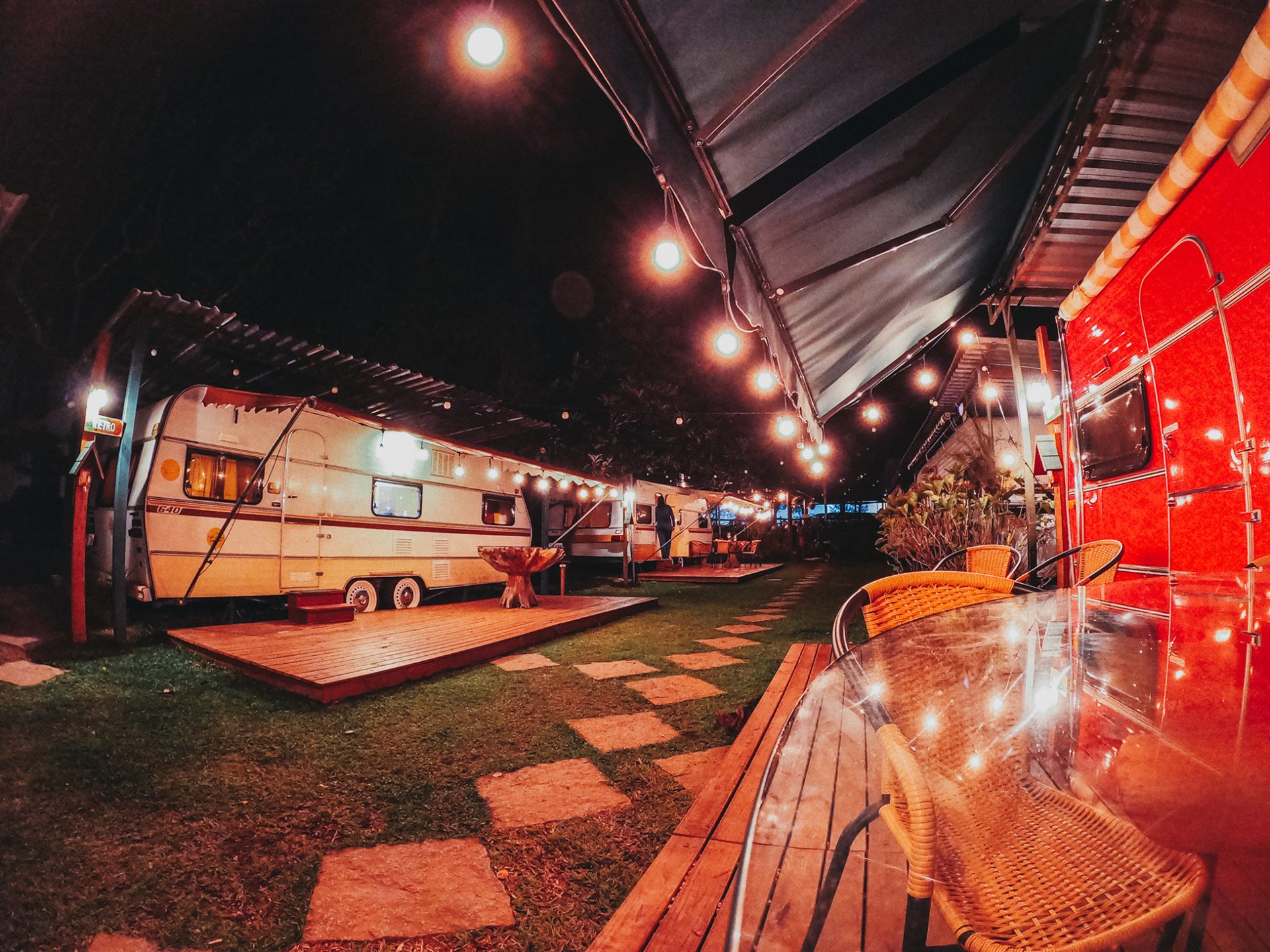
Life “off the grid” can take many forms: weekends at a cabin, a full-time home in a remote spot, or a season spent at a cottage. Where the cabin cannot connect to utility power, or where you cannot or would rather not depend on the utility power that is there, you will need to plan another way of generating electricity.
Choosing the right power source, or combination of sources, for an off-grid cabin starts with working out how much power you consume. Looking at when and how you use electricity there, for hot water, chargers, power tools and appliances, shows which generation solution fits.
Renewable energy suits off-grid living, working and vacationing particularly well. Solar, wind, hydroelectric and geothermal energy work well as primary sources because, once they are installed, they need no further materials to make usable power. A cabin that runs on a generator alone, by comparison, needs fuel hauled out to the remote site again and again.
Even so, a generator still has a place in any complete off-grid setup, since renewable sources sometimes cannot produce energy or fall short of what the cabin needs. Solar arrays or wind installations large enough to run a cabin's modern comforts can be costly. A generator costs more to operate over the long run, but it is cheaper to buy than the upfront investment in renewable generation equipment plus high-capacity storage batteries.
When selecting a generator for off-grid use, weigh each fuel type by its efficiency, forecast prices and availability.


