Powering Progress – The Essential Generators Fueling Construction Sites
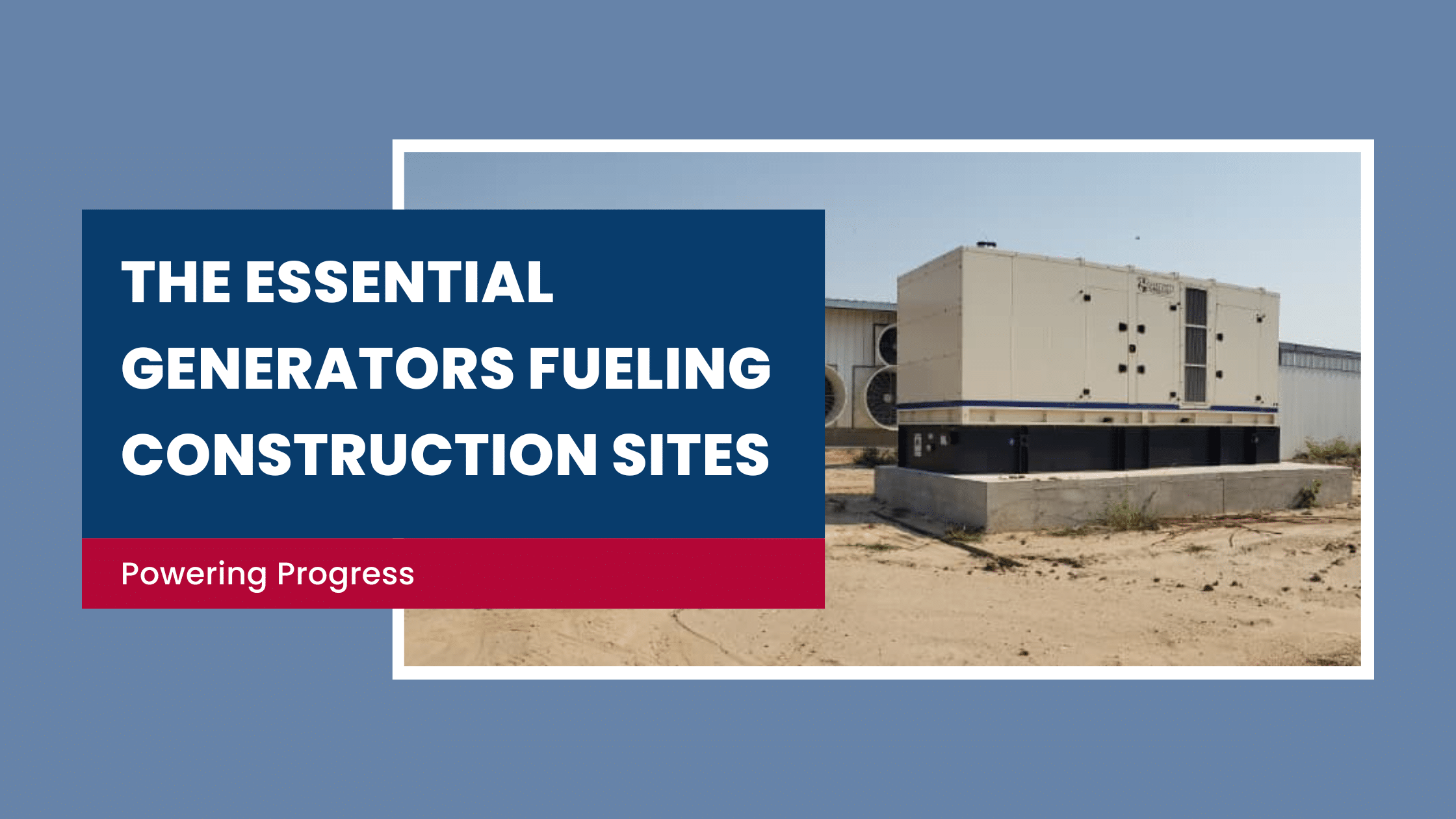
Construction sites are bustling hubs of activity, requiring reliable power to keep operations running smoothly. Generators play a crucial role in providing this power, especially in remote areas without grid access.
Choosing the right generator is vital for efficiency and productivity. It ensures that all equipment functions optimally, minimizing downtime and delays.
Portable generators offer flexibility, allowing easy relocation as site needs change. They are indispensable for dynamic construction environments.
Companies like Global Generator Supply offer a range of solutions tailored to construction needs. Their expertise helps in selecting the best generator for each project.
Understanding generator options and features is key to powering progress on construction sites. This knowledge empowers managers to make informed decisions.
Why Generators Are Essential for Construction Sites
Generators are fundamental for construction sites, especially in undeveloped areas lacking grid connections. They ensure continuous power supply, enabling work to proceed without interruption.
Construction projects often operate on tight schedules, where delays can increase costs. A reliable power source helps maintain timelines and budgets.
Generators not only power heavy machinery but also provide electricity for lighting, tools, and essential site services. This versatility supports various tasks, enhancing overall efficiency.
Consider these key benefits of using generators on construction sites:
- Ensure uninterrupted power supply
- Support diverse equipment and tasks
- Maintain project timelines and reduce delays
By understanding the critical role generators play, managers can make informed decisions about powering their sites effectively.
Types of Generators Used on Construction Sites
Construction sites rely on various generator types to meet their specific power needs. Different environments and equipment demand tailored solutions.
Selecting the right generator involves understanding the project’s power requirements and operational demands. It’s crucial for efficiency and cost management.
Some common types of generators used on construction sites include:
- Portable Generators: Ideal for easy relocation and quick setup
- Diesel Generators: Known for durability and fuel efficiency
- Gas Generators: Provide cleaner energy with reduced emissions
Each type has its benefits and ideal use cases. Choosing wisely can significantly impact a project’s success. Informed decisions help ensure that all equipment runs smoothly, minimizing downtime and maximizing productivity. Understanding these options empowers managers to select the best fit for their projects.
Portable Generators: Flexibility and Mobility
Portable generators are essential for dynamic construction sites. They offer unmatched flexibility in power delivery.
Their compact and mobile nature makes them easy to transport. This is particularly beneficial for projects that require power at varying locations.
Portable generators are perfect for smaller tasks or temporary setups. They provide reliable power without the need for complex installations.
Key benefits of portable generators include:
- Quick and easy deployment
- Suitability for multiple small-scale tasks
- The ability to adapt to changing site needs
Overall, portable generators are invaluable for construction sites requiring versatile and rapid power solutions. They enhance flexibility while maintaining the efficiency of operations.
Diesel, Gas, and Hybrid Options
The choice between diesel, gas, and hybrid generators depends on various factors. Each has distinct advantages tailored for specific site needs.
Diesel generators are robust and durable. They are renowned for their long life and fuel economy, ideal for sustained operations.
Gas generators are more eco-friendly. They emit fewer pollutants, catering to sites with strict environmental regulations.
Hybrid generators combine the best features of diesel and gas. They offer flexibility, operational efficiency, and reduced emissions.
Here’s a quick comparison:
- Diesel: Tough, fuel-efficient, long-lasting
- Gas: Cleaner emissions, quieter operation
- Hybrid: Balance of efficiency and eco-friendliness
Understanding these options can guide managers in selecting generators that align with their project’s power demands and sustainability goals.
Browse industrial diesel generators sized for demanding construction loads.
Sizing Your Generator: Getting Construction Power Right
Proper sizing of generators is crucial for construction sites. It ensures efficiency and prevents costly overloads.
Accurate sizing involves calculating the total electrical load required. This includes all tools, equipment, and lighting systems.
Consider both peak and steady-state loads. Account for additional future equipment needs as well.
Here’s a simple approach to generator sizing:
- List all equipment and their power ratings.
- Calculate the total wattage needed.
- Add a buffer for future expansions or unexpected demands.
Always consult with experts or use professional sizing tools. They ensure you choose the right generator that can handle your site’s demands. Properly sized generators lead to smoother operations and fewer disruptions, ultimately boosting productivity.
Key Features to Look for in Construction Generators
When selecting construction generators, several features are crucial. These attributes ensure reliability and efficiency on site.
First, prioritize fuel efficiency. Generators that consume less fuel while operating at optimal levels are cost-effective.
Additionally, consider durability. Generators must withstand harsh environmental conditions typical of construction sites.
Other key features include:
- Noise Levels: Choose quieter generators for urban sites to comply with noise regulations.
- Portability: Opt for models that are easy to transport and position.
- Ease of Maintenance: Look for generators with accessible components for simplified servicing.
Advanced models may offer smart features. Remote monitoring and automatic start/stop capabilities provide enhanced control and convenience. Selecting generators with the right features helps keep your operations smooth and productive.
The Role of Transfer Switches and Power Distribution
Transfer switches are crucial for seamless power management. They enable automatic transitions between power sources during outages. Explore generator transfer switch options for seamless source switching.
Effective power distribution is key on construction sites. It minimizes downtime and enhances safety.
Key benefits of using transfer switches and proper distribution systems include:
- Safety: Prevents back-feed, reducing electrical hazards.
- Efficiency: Ensures consistent power to critical equipment.
- Reliability: Keeps operations uninterrupted during power shifts.
See OSHA 1926.405 on temporary wiring for construction for compliant jobsite power practices.
Strategically integrating these components helps maintain productivity. It ensures your site remains powered and operational, even under challenging conditions.
Maintenance and Safety: Keeping Your Site Powered and Protected
Regular maintenance is vital for generator reliability. It helps prevent unexpected failures and extends equipment lifespan.
Safety protocols must be rigorously followed during operation. Protecting workers and equipment is always a top priority on site.
Consider these key maintenance and safety practices:
- Scheduled Inspections: Detect issues early before they escalate.
- Training for Operators: Ensures safe handling of equipment.
- Adhering to Safety Standards: Complies with industry regulations.
Use this standby generator maintenance checklist to keep equipment ready.
By prioritizing maintenance and safety, construction sites remain powered and protected. Implementing these practices ensures smooth and safe operations.
They offer a wide range of generators tailored for construction needs. Their commitment to quality and innovation is evident in their products.
Key offerings include:
- Diverse Generator Options: From portable to diesel units
- Custom Solutions: Designed to meet specific project demands
- Reliable Support: Ensuring optimal performance and swift service
Trends and Innovations in Construction Power Solutions
Modern construction sites are embracing energy efficiency and sustainability. This shift has spurred significant innovations in generator technology. Companies now integrate renewable energy with traditional generators to minimize environmental impact.
Emerging trends include:
- Hybrid Generators: Combining renewable and fossil fuels
- Smart Monitoring Systems: Enabling real-time performance tracking
- Low-Emission Technologies: Reducing environmental footprints
Conclusion: Powering Progress, Minimizing Downtime
The right generators ensure your construction site operates smoothly. Choose wisely to boost efficiency, minimize downtime, and keep projects on track. Empower your site’s progress with proper solutions.