
How Generators Support the New York City Marathon
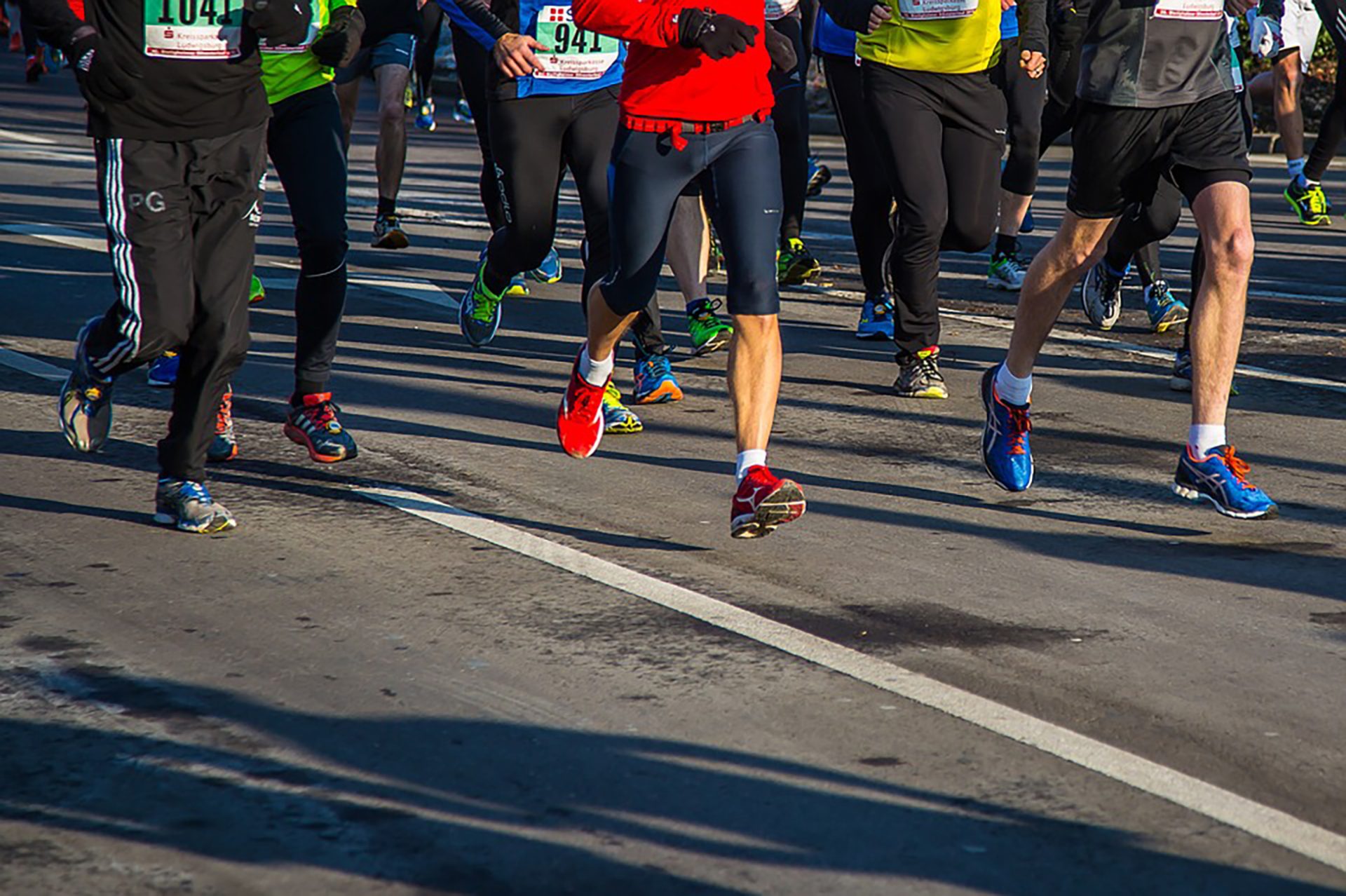
Held every year on the first Sunday in November, the New York City Marathon has more finishers than any other marathon in the world. The 2016 race, run over 42.195 km (26.219 miles), saw 51,394 people cross the finish line. For the race that followed, more than 98,000 runners entered the free drawing for places, where a spot is never assured. Along with the Boston and Chicago races, it ranks among the major marathons in the U.S.
Medical Tents and Equipment
An event on this scale needs enough medical personnel, properly equipped, to deal with emergencies, which makes generators essential to the race. The course begins on Staten Island, where the medical tents run on three diesel generators. Between them they can deliver 800 kW, which is enough electricity for 400 homes. Two of the units supply the tents, and the third stands by as a backup in case either of the others fails.
Beyond those three units, further commercial generators placed along the course power the support stations on the route. More medical tents, holding equipment and supplies, are set up at the finish line in Central Park.
The marathon's medical tents are there to handle emergencies during the race and in the hours after it, and they are fitted out much like small hospitals. With so many people filling the streets, ambulances and other emergency vehicles find it hard to get to runners in trouble, so the tents are an absolute necessity.
The New York City Marathon brings to mind the legs and lungs of the runners, but electricity from commercial generators also plays a critical part in keeping the event going.


