
Planning Backup Power for California's 2019 Wildfire Season
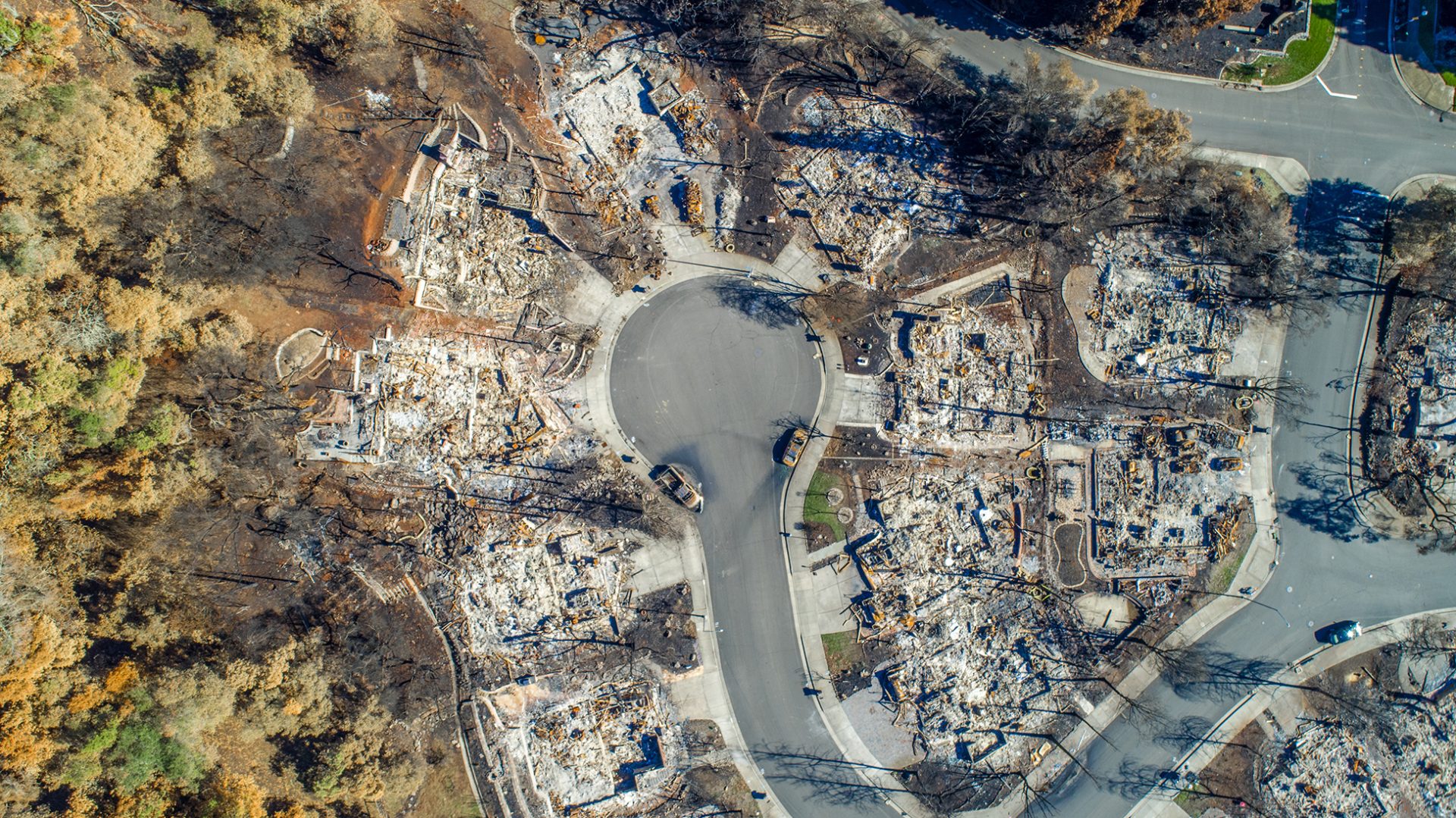
Forecasters expected the West Coast to see a wildfire season above normal in 2019, and several factors shaped that view. California had a wet winter and spring, with plenty of rain and snow. That moisture helped the state come out of a drought that had lasted seven years, but it also set off explosive growth of grasses and wildflowers.
Through the hotter, drier summer months, that vegetation dries out and turns brown. Once fires ignite in summer or fall, the parched grass works like kindling and lets flames travel farther and faster. Fall also brings stronger Santa Ana winds, which push dry desert air from inland toward the heavily populated Pacific Coast.
Because of these two conditions, fire activity in California usually reaches its peak in October.
Planned Power Shutoffs
Once authorities found that the 2018 Camp Fire had been started by sparks from power lines owned by PG&E, the utility began switching off power proactively. In 2019, PG&E planned to cut power whenever conditions such as gusting winds and high temperatures raised the risk of wildfire. The policy could reach every one of the utility’s customers, who numbered more than five million.
With an active fire season expected, Californians needed to plan for blackouts at any point in the year. For some people, going without electricity is a nuisance; for others it can be fatal. Many residents rely around the clock on medical devices that keep them alive. Other electrical equipment can look like a luxury, yet for vulnerable groups such as the elderly and very young children, air conditioning and air filtration systems can mean the difference between life and death.
Homes that cannot go without electricity should look at a source of backup power, for example a generator. When generators are properly maintained and sensibly placed, they can be relied on safely through the wildfire season.


