
A Closer Look at the Perkins 400 Series Engine
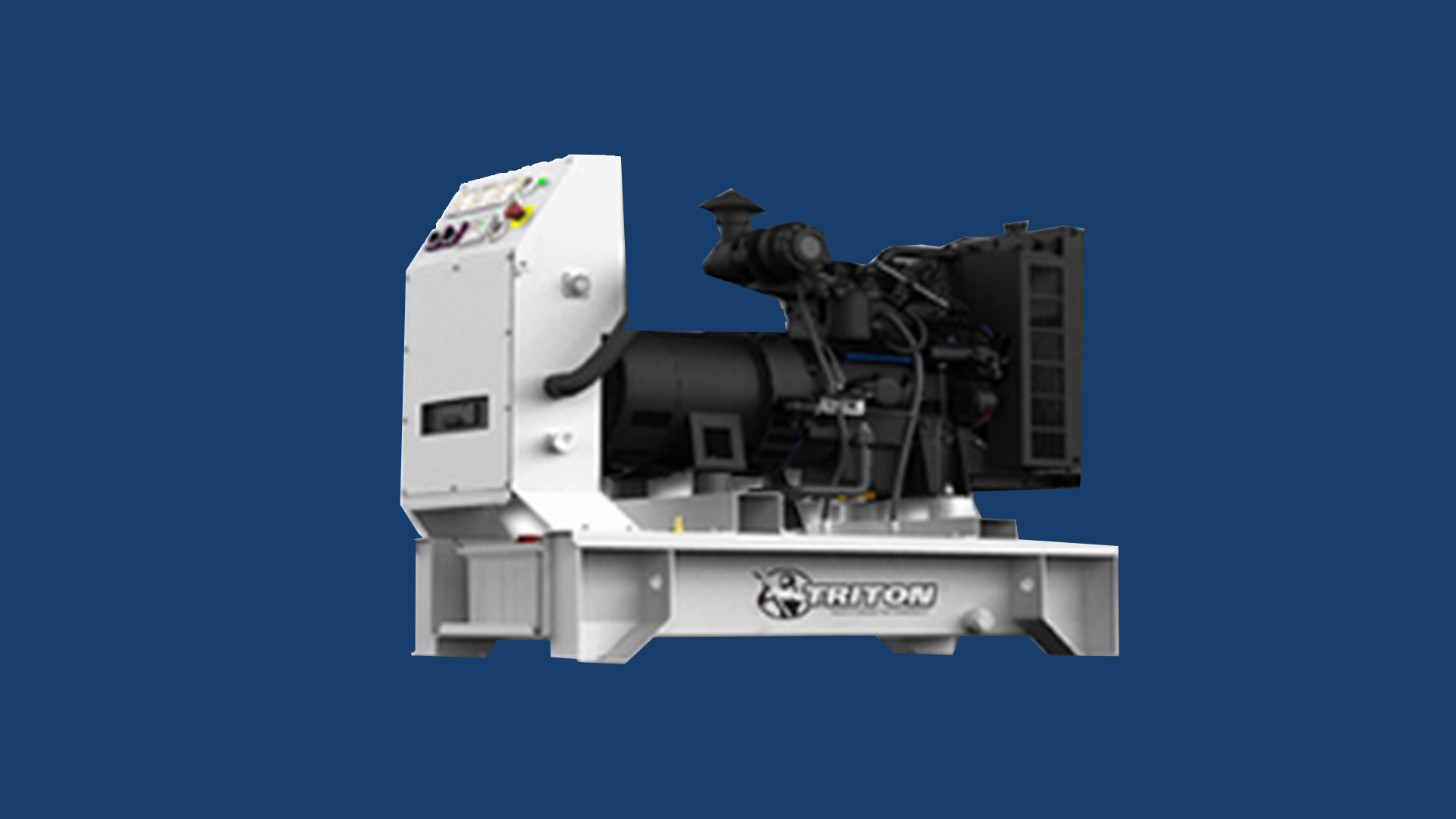
Diesel generators are chosen more often than gas-powered ones because they deliver strong power and good economy. They are a common sight in industrial settings, since they can supply more electricity over a longer, sustained period.
A diesel generator pairs a diesel engine with an electric generator to produce electricity, either as a backup or as the primary power source. In a backup role, the generator waits on standby while the facility takes its electricity from a regular supplier such as a utility. As soon as that normal supply is interrupted, the generator starts up. Generators can also serve as the main power source in places far from the grid, for example construction sites, campsites, and venues hosting concerts or other recreational events.
Many brands of diesel generators are on the market, and Perkins is one of the popular choices. Here is an overview of one Perkins engine line.
Perkins 400 Series Engine
Perkins designs its engines to combine reliability, versatility and high performance. The 400 Series engine described here, the 404D-22G, is a vertical in-line, 4-cylinder, naturally aspirated diesel with a displacement of 2.2 liters, packing efficiency and power into a compact package. Perkins diesels are designed for a clean, quick start in all conditions, and they handle the prime and standby duties the power generation industry calls for.
For standby power, the 400 Series is rated at 26 kVA / 20 kW; for prime power, its rating is 24 kVA / 19 kW. The engine comes in two versions: a non-EPA Perkins 404D-22G and an EPA-certified Perkins 404D-22G. The non-EPA version is paired with a Leroy Somer alternator, and the EPA-certified version with a Stamford Newage P1144D.
The engine can also be fitted with a sound-attenuated canopy made from powder-coated steel.


