
Portable Generators: Advantages and Drawbacks
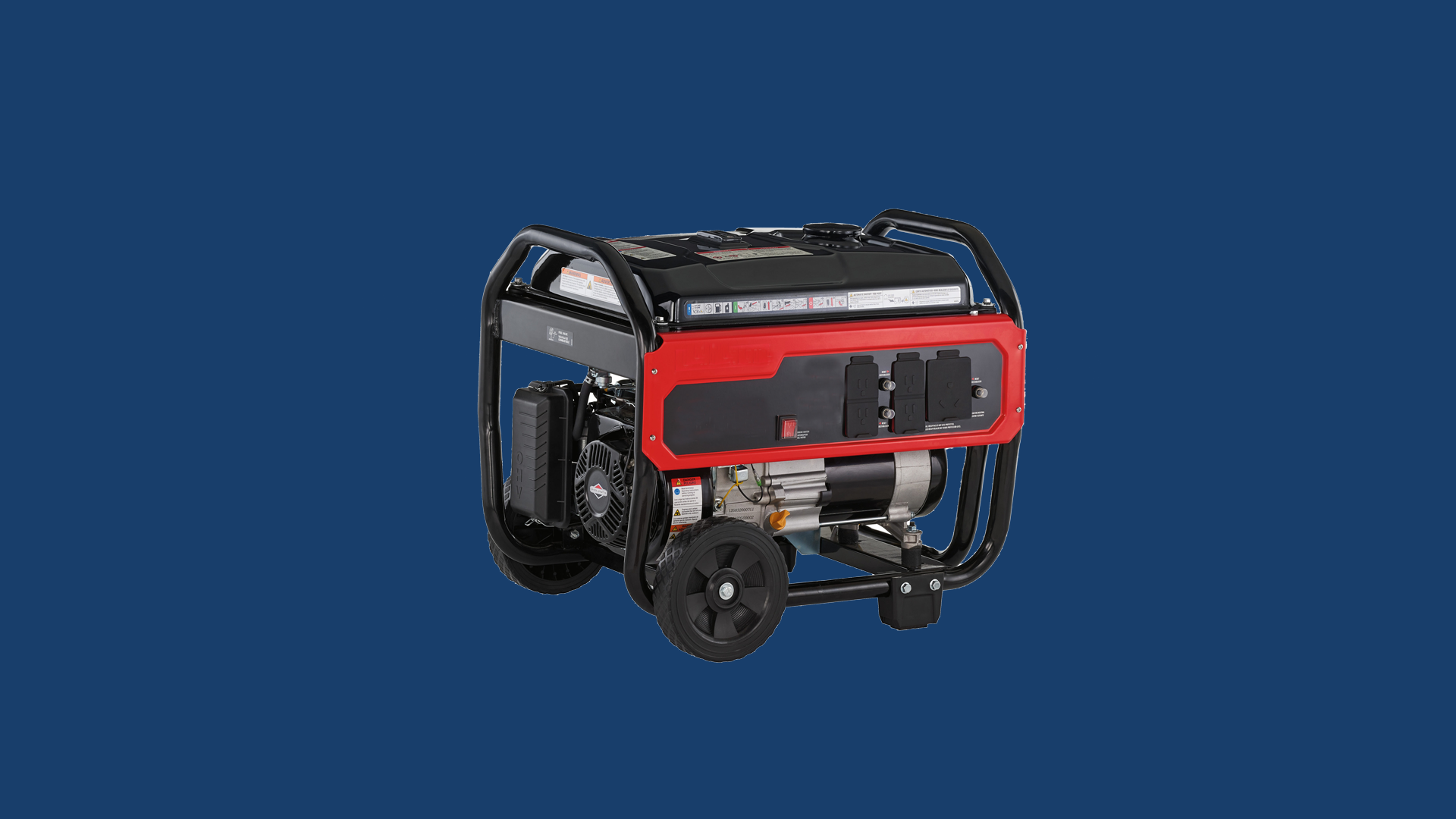
How a Portable Generator Works
Inside a portable generator, an engine fueled by gasoline, diesel or propane spins an alternator mounted on the same frame. The alternator turns that mechanical motion into electricity, which you draw from outlets on the unit, either by plugging appliances in directly or by running extension cords to them. Models meant for home use usually deliver somewhere between 3kW and 10kW.
Advantages
Lower Cost
Compared with a generator that is installed permanently, a portable unit costs far less to buy. They are easy to find as well: online retailers, neighborhood hardware stores and big-box chains all sell them.
Backup in an Emergency
The main job of a portable generator is emergency backup when a smaller natural disaster knocks out the power. With 3kW to 10kW available, it can keep a few household essentials going, such as some of the lights, the refrigerator and a heater. Away from home, one may be needed to run power tools on a job site, or a handful of appliances on a camping trip.
Drawbacks
Exhaust, Heat and Noise
To prevent carbon monoxide poisoning, a portable generator has to run outdoors. Keep in mind, though, that it will still sit no farther from the house than an extension cord can reach, so the noise, the heat and the unpleasant-smelling exhaust it gives off will all be close by.
Restricted Capacity
Because its wattage is relatively small, a portable unit can only do so much. It will not run a whole house, and it cannot handle luxuries like a plasma TV or central air conditioning.
Starting by Hand
A permanently installed generator comes on by itself when the grid fails. A portable model does not: someone has to start it manually. Its tank also typically carries only three to six gallons, so it may need a refill after as little as 6 hours of running, which can be a real nuisance in winter.


