
What to Consider When Choosing a Generator Enclosure
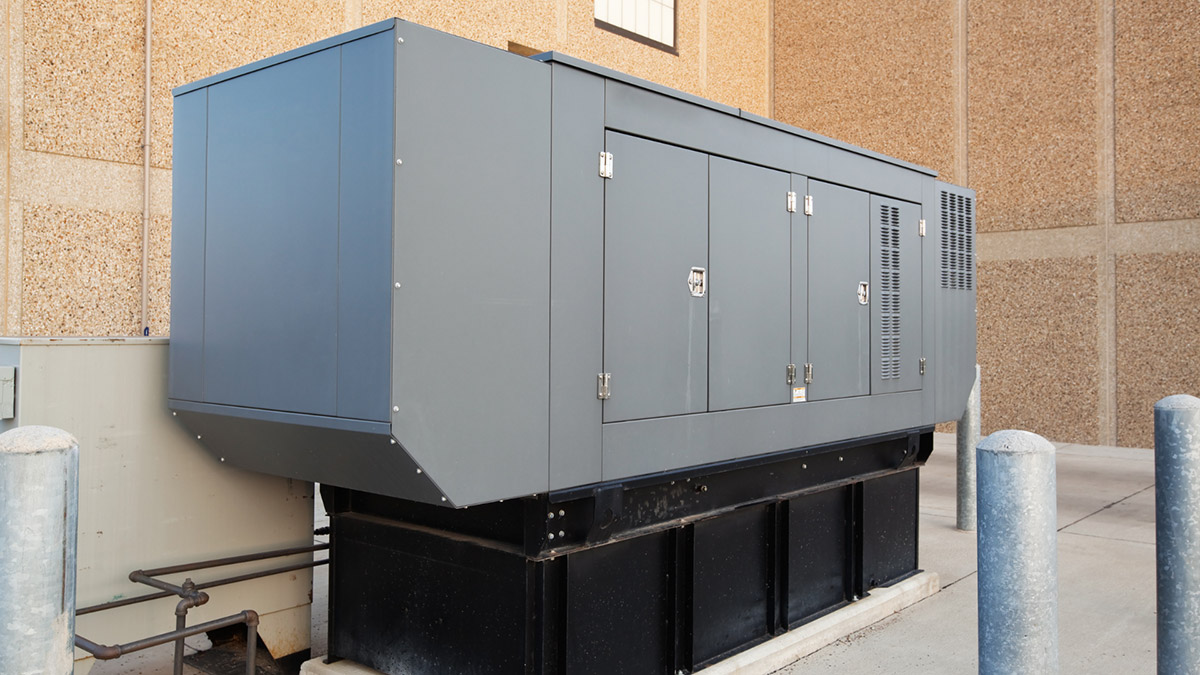
A generator cover shields a building's backup power source from wind, rain, snow, ice and other destructive forces. A good enclosure does two jobs: it keeps the generator safe from vandals, and it still lets technicians reach the unit easily for maintenance. Which type of cover suits the diesel generator that your business depends on comes down to several factors.
Weather
Wind and rain are the main threat in some climates; in others it is snow and ice, and dust storms can also put a generator at risk. Choose an enclosure that stands up to the conditions in your area. That matters most in hurricane-prone states such as Florida, which can see flooding, hail, high wind and heavy rain. Near the coast, high humidity and saltwater flooding make aluminum preferable to steel as a housing material.
Location
A business with little outdoor space next to its building needs an enclosure that protects the generator while keeping its footprint small. If space is not an issue, a generator shed is worth considering. Besides housing the backup power source itself, a shed can also take in accessories such as the fuel tanks and the automatic transfer switch.
Security
Where you are located also shapes how much security the enclosure needs to provide. Legislation at the state, county or city level may set out the safety measures you have to put in place, such as positioning an emergency stop button where it can be reached. How much crime there is in your area can also influence which cover you pick.
Noise
Depending on your space, the local rules and the generator model, the shelter may also have to reduce noise. Many types of cover can be soundproofed, protecting both the environment and the people working nearby.
Accessibility
A backup generator needs regular maintenance, so its shelter must protect it while still giving mechanics, engineers and inspectors easy access to the engine and other components. A shed is often the simplest way to achieve that, though other enclosure types have walk-in doors that open onto either side of the generator.
The height of the entrance decides whether stairs are needed, which can make maintenance easier or harder. Lifting brackets on an enclosure make it simpler to move the shelter onto your site and, if needed, back off it again.


