
Generators for Events: Planning Power for Large and Small Occasions
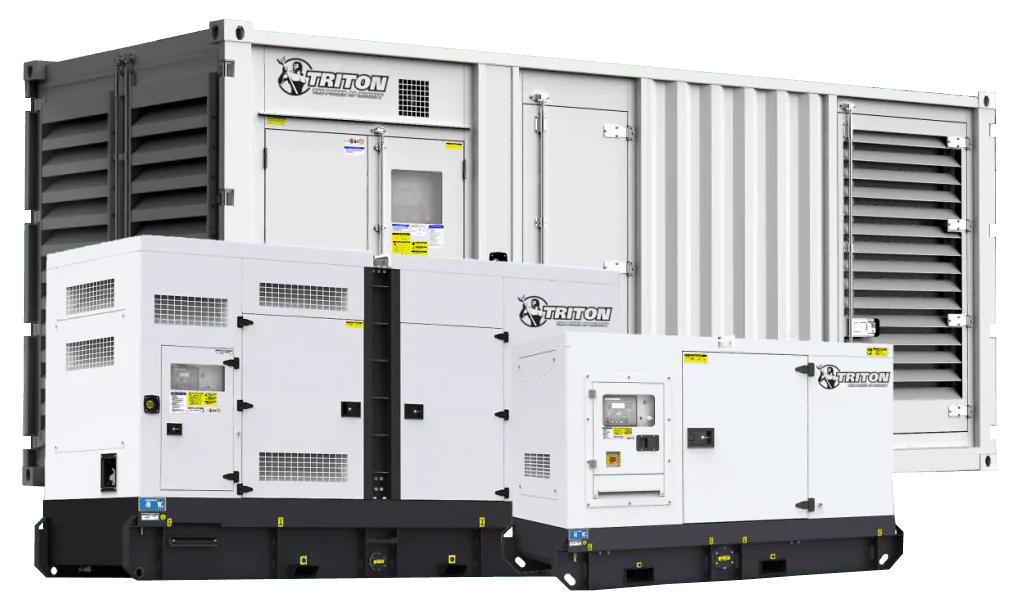
Events of every scale, from major productions to modest gatherings, depend on something guests rarely think about: electricity. A music festival that draws thousands and a small wedding at an out-of-the-way venue both need a power supply they can count on. Generators make that possible, keeping every part of the event working as planned.
What Generators Do for Event Planners
For event planners, generators are essential: they provide dependable temporary power so every electrical need is covered without interruption. Sound and lighting rigs, food and drink stations and more run on them, which puts generators at the center of a well-run event.
Why Events Need Generators
A generator is the foundation an event's power rests on. It guards against outages and keeps the program moving. Where the grid is unreliable or absent, generators provide essential backup, avoiding expensive interruptions and preserving the atmosphere.
Understanding Generator Rental
Picking a generator for an event means understanding how rental services work. It is not a matter of taking whatever unit happens to be available; you need a full picture of the event's power demands and of what the generator can handle.
What to Weigh When Renting
- Power requirements: Start by working out the total demand of the event. Add up what each piece of equipment needs and confirm the generator can cope with peak loads.
- Fuel choice and efficiency: Generators run on natural gas, gasoline or diesel, among other fuels. Each has strengths, and the right pick depends on what is available, what it costs and environmental factors.
- Noise: At events where atmosphere counts, generator noise is a serious consideration. Choose units built to keep noise down so the mood is not spoiled.
- Mobility and setup: Think about how the generator will get to the site and be put in place. Some have wheels and are easy to move; others need special equipment to transport and install.
Temporary Power: Tailored and Flexible
Temporary power can be shaped around an event, and that flexibility changes how planning works. Because power configurations can be customized to specific requirements, organizers can make sure every part of the event is served efficiently.
Fitting the Setup to the Event
A tight urban venue and a remote site with its own challenges both benefit from the adaptability of temporary power. Arranging the generators to suit the event layout gives the most effective power distribution and dependable supply.
Backup Power and Continuity
Backup power is more than a fallback plan; for today's events it is a requirement. Weather is unpredictable and other disruptions can come out of nowhere, so a solid backup power strategy is a must.
Putting Backup Power in Place
- Redundancy: Keeping extra generators on standby protects against an outage if one unit fails. A redundant setup gives peace of mind and lets the event carry on smoothly.
- Automatic transfer switches: When the main grid fails, these devices move the load over to the generator automatically, keeping the disruption small.
- Routine testing and upkeep: Backup systems need scheduled testing and servicing so they are ready when called on. That means checking fuel levels, battery condition and system diagnostics on a regular basis.
Event Generators in Practice: Two Examples
Picture a big outdoor music festival that needs steady power for sound, stage lighting, vendor booths and security. The planners combined smaller mobile units with high-capacity diesel generators so the large site was covered efficiently. A detailed site assessment and a well-planned power distribution layout let the event run without a single power interruption.
Now consider a wedding at a remote vineyard. Here the generators had to be very quiet to keep the setting peaceful, while still supplying enough power for lighting, entertainment and catering. Low-noise units kept the atmosphere intact and helped make the day memorable.
Takeaways for Industrial Plant Managers
Plant managers who understand how generators operate can run processes more smoothly and cut downtime. Key points:
- Full power assessment: Analyze the plant's power needs in detail to settle on the right capacity and specifications for the generator.
- Regular servicing: Set up a strict schedule that keeps the generators in good working order, including system diagnostics, oil changes and regular inspections.
- Training and know-how: Make sure your staff have the skills and know-how needed to run and troubleshoot generators. Look at training programs that include recent developments in generator technology.
- Planning for emergencies: Prepare a solid plan for emergencies with backup power built in, so unexpected outages do less harm to plant operations.
Final Thoughts
Generators rarely get credit, yet they are what keep events running smoothly down to the last detail. Event planners and plant managers who understand rental services, temporary power and backup systems can get the most out of these machines. Approached the right way, and with the right knowledge, generators can help turn any event into a success and light up the moments that count.


