
Air-Cooled vs Liquid-Cooled Generators Compared
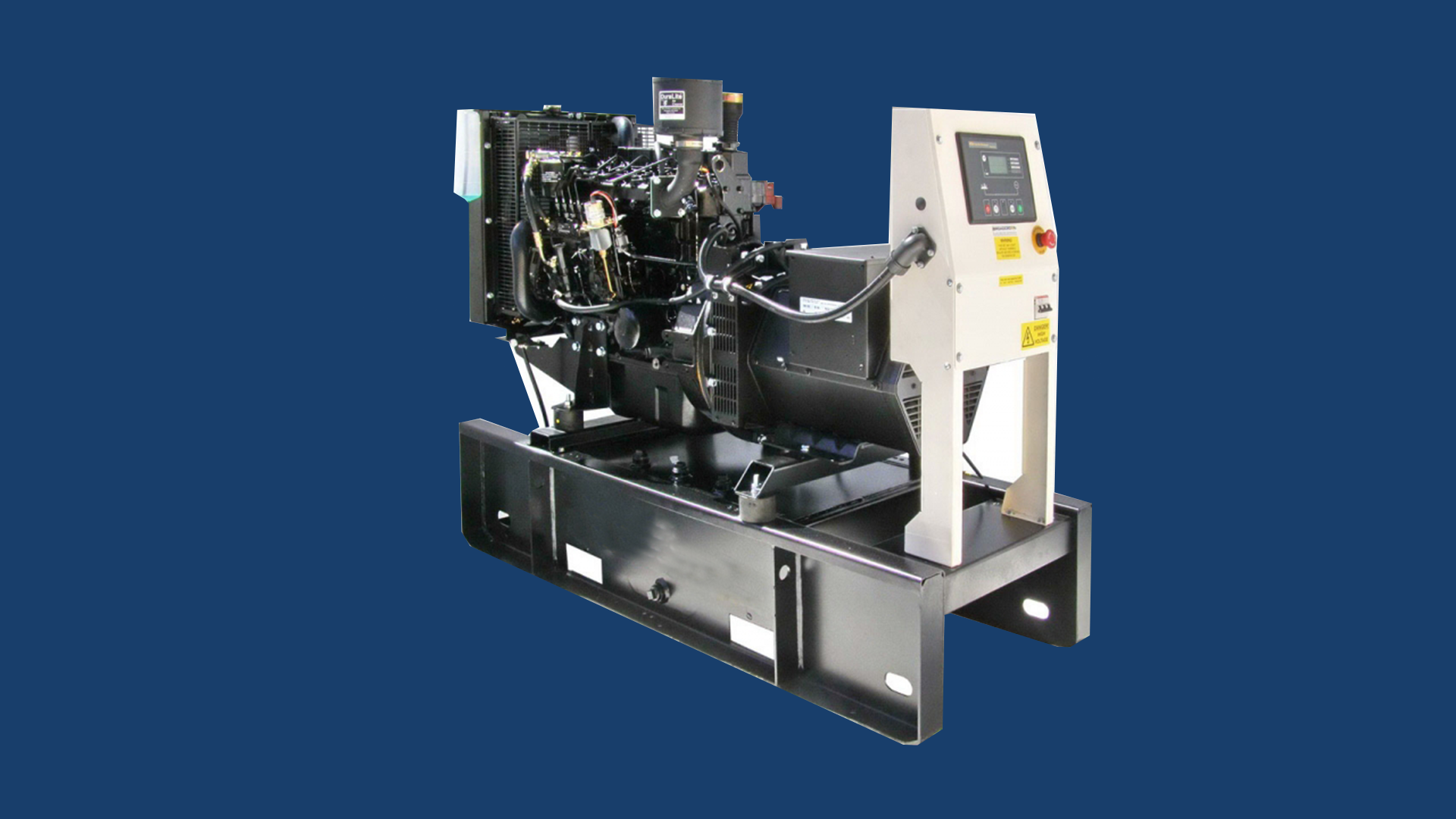
A running generator gives off a lot of heat. Its internal parts must be cooled continuously to prevent damage and keep the unit working.
Every generator is cooled either by air or by liquid. The cooling method is built into the design and usually depends on the generator's size and type: smaller units generally rely on air, and larger ones are normally liquid-cooled.
Air cooling
An air-cooled generator lowers its temperature by moving air through the unit. The engine pulls cool air in from outside and blows it across the various components of the generator set, which prevents overheating.
Air cooling is common on portable gensets and on standby generators rated up to 22 kilowatts. The design can be open-ventilated or fully enclosed. An open-vent design takes in outside air and releases the exhaust back into the atmosphere, while an enclosed design keeps recirculating the air internally to cool the generator's parts.
Run for long periods, an air-cooled generator can overheat. If its temperature climbs too high, it shuts down and stops supplying electricity.
Liquid cooling
A liquid-cooled generator keeps its internal parts cool with oil or coolant, using a radiator and a water pump. Hoses carry the liquid from the pump to the engine block, where it absorbs heat and then flows on to the radiator, where air cools it. Most generators above 22 kilowatts are liquid-cooled.
Liquid cooling costs more to build, but it is more durable and more powerful than air cooling. Buying a generator set with liquid cooling will likely get you a very good machine, but expect to pay more for it than for a smaller air-cooled generator.


