
Why Backup Generators Need Regular Maintenance
Summer brings a higher chance of extreme weather. High temperatures push up power consumption, which can trip the grid and lead to outages. Even a brief loss of power during a heat wave can seriously affect people's health and comfort, and food can spoil.
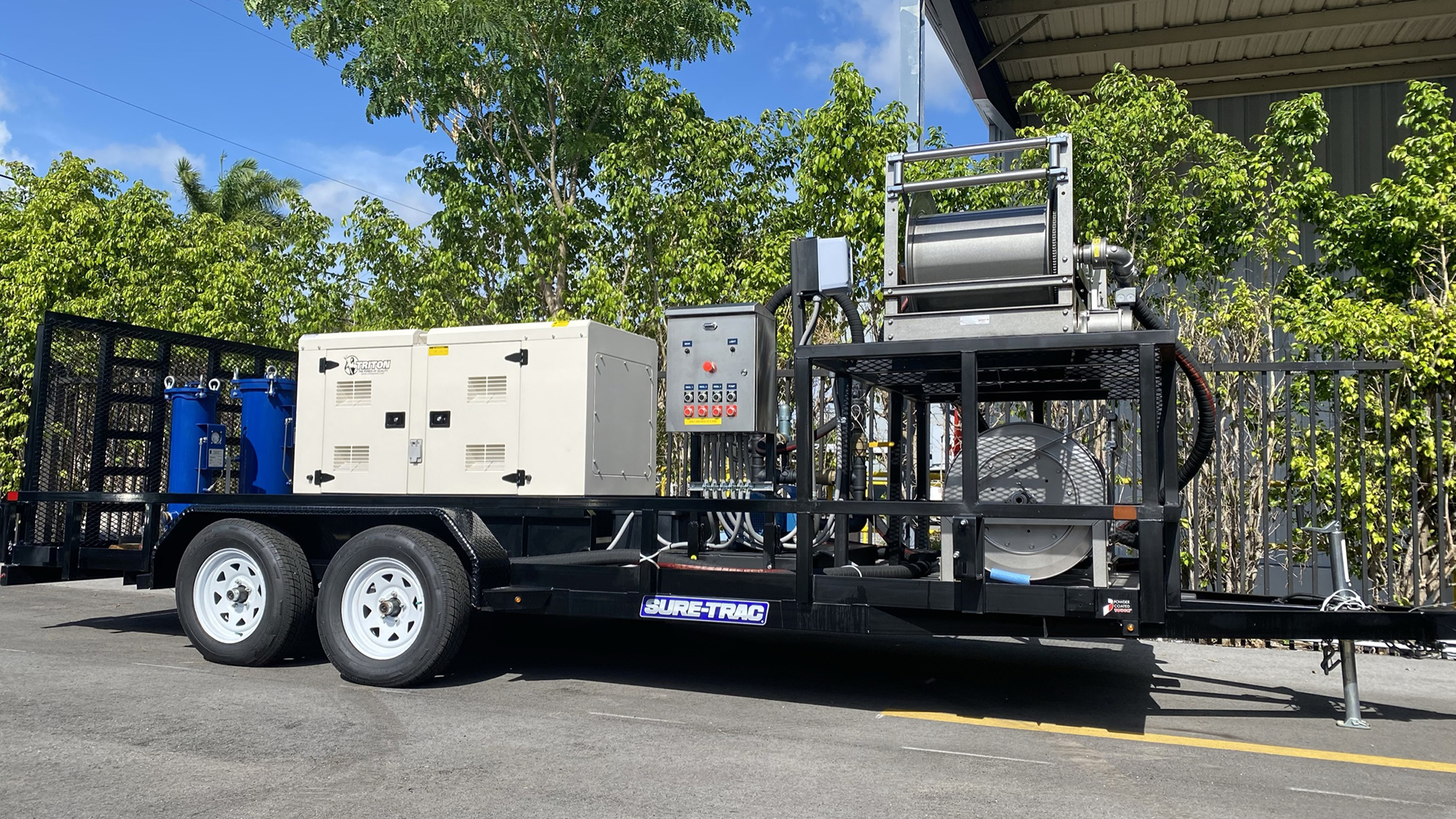
To guard against outages they cannot predict, many homes and businesses now keep a backup generator. A family or individual might rely on a small, low-output unit that can run basic appliances and devices in an emergency. Businesses and other facilities use far more electricity, so their backup has to come from heavy-duty commercial generators.
A generator only helps if it starts when the power goes out, and keeping it maintained is how you make sure it will. Service your backup generator at regular intervals, the same way you would take a car in for a tune-up. A neglected unit can let you down at the very moment you depend on it.
Fuel storage is part of that maintenance. For a diesel generator, replace the fuel once a year so that old fuel does not damage the unit when it is started.
Keeping the unit in good order also helps guard against accidental carbon monoxide poisoning, because a unit in poor condition can release too much carbon monoxide, putting the people in the home in danger. Never run a generator indoors, and keep the home's carbon monoxide detectors in working order.
Maintenance should also include regular inspections of the equipment that works with the generator, for example the control panels, automatic transfer switches, trailers and any other accessories. If any of these parts need replacing, send us your requirements and our team can help.


