
Why Natural Gas Generators Make Sense for Backup Power
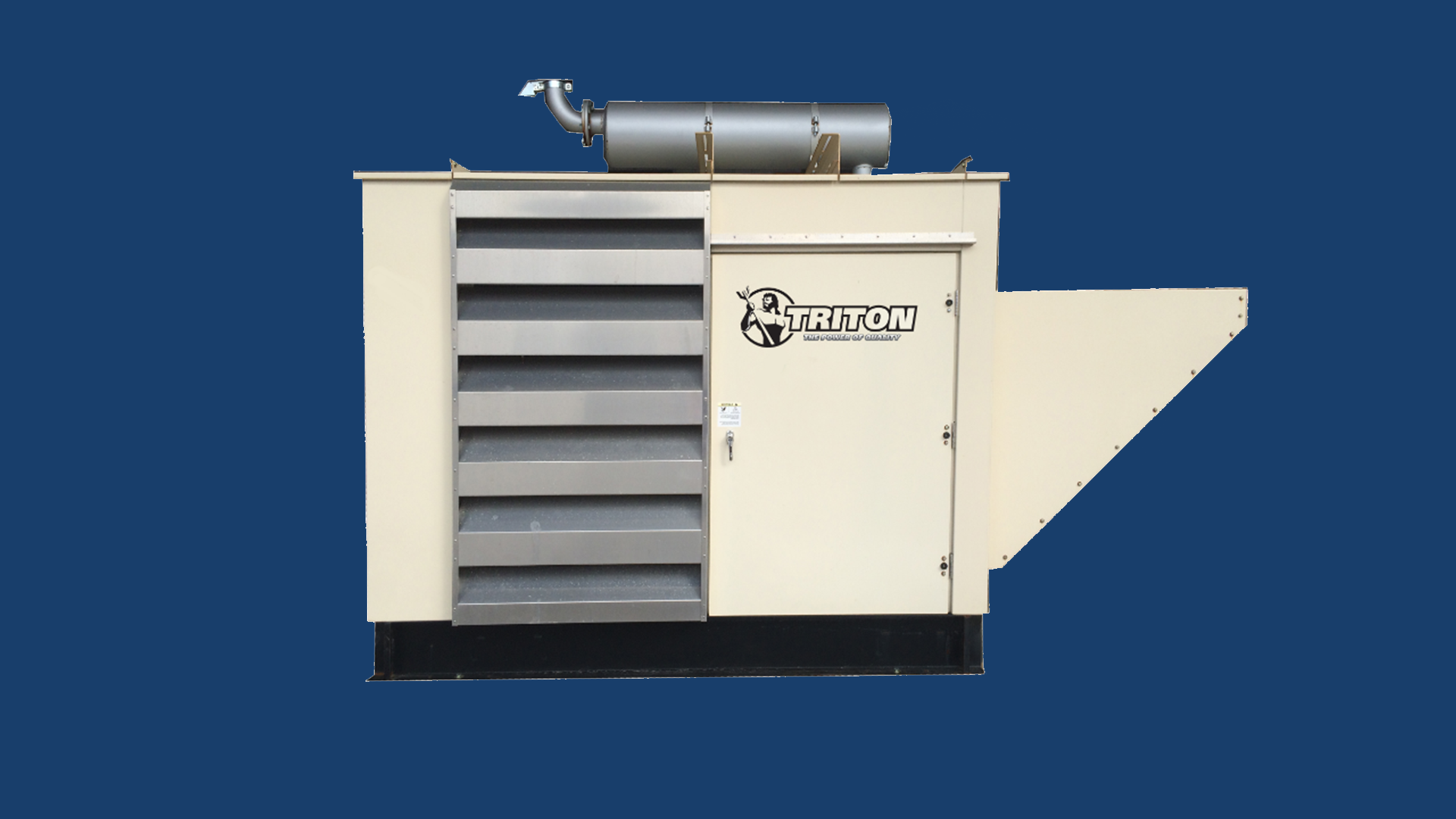
Ask most people to picture a backup generator and they will imagine a machine that burns gasoline or diesel. When a big storm knocks out the grid, a homeowner wheels the emergency unit out of the garage or shed, and within minutes the house has electricity again. That portable machine probably cannot run every appliance and device at once, but it can usually handle the essential ones and take the edge off the outage.
The trouble is that this arrangement may not hold up for long. A storm strong enough to cut power to homes will often reach the local filling stations as well, and because fuel pumps need electricity to work, keeping a generator topped up can quickly become difficult.
That risk of running short on gasoline or diesel is one reason a growing number of people are turning to generators that burn natural gas. Natural gas reaches buildings through underground pipelines and already fuels everyday equipment such as kitchen ranges and ovens. It can also be held in tanks and used to fire barbecue grills, and it can power an electric generator.
Here is how a gas-fueled generator produces electricity. Fuel and air are blended and sent into the combustion chamber, where a piston compresses them. A spark plug then ignites the charge, and the force of that ignition drives the piston downward, which turns a crankshaft. The crankshaft rotates the generator's rotor inside an electromagnetic field, and an electric current results. That current can run appliances, devices and tools, or recharge batteries.
What sets a natural gas generator apart is its fuel: it burns a gas rather than a liquid. A carburetor blends the gaseous fuel with air in the correct ratio and feeds that blend to cylinders built specifically to cope with pressurized gas.
Owning a gasoline generator already does not mean you must buy a new natural gas unit. Conversion kits exist that let you switch a gasoline generator over to run on natural gas.
Because natural gas tends to be easier to obtain than gasoline or diesel when disaster strikes, natural gas generators are gaining popularity as emergency backup units.


