
How to Pick and Install a Food Truck Generator
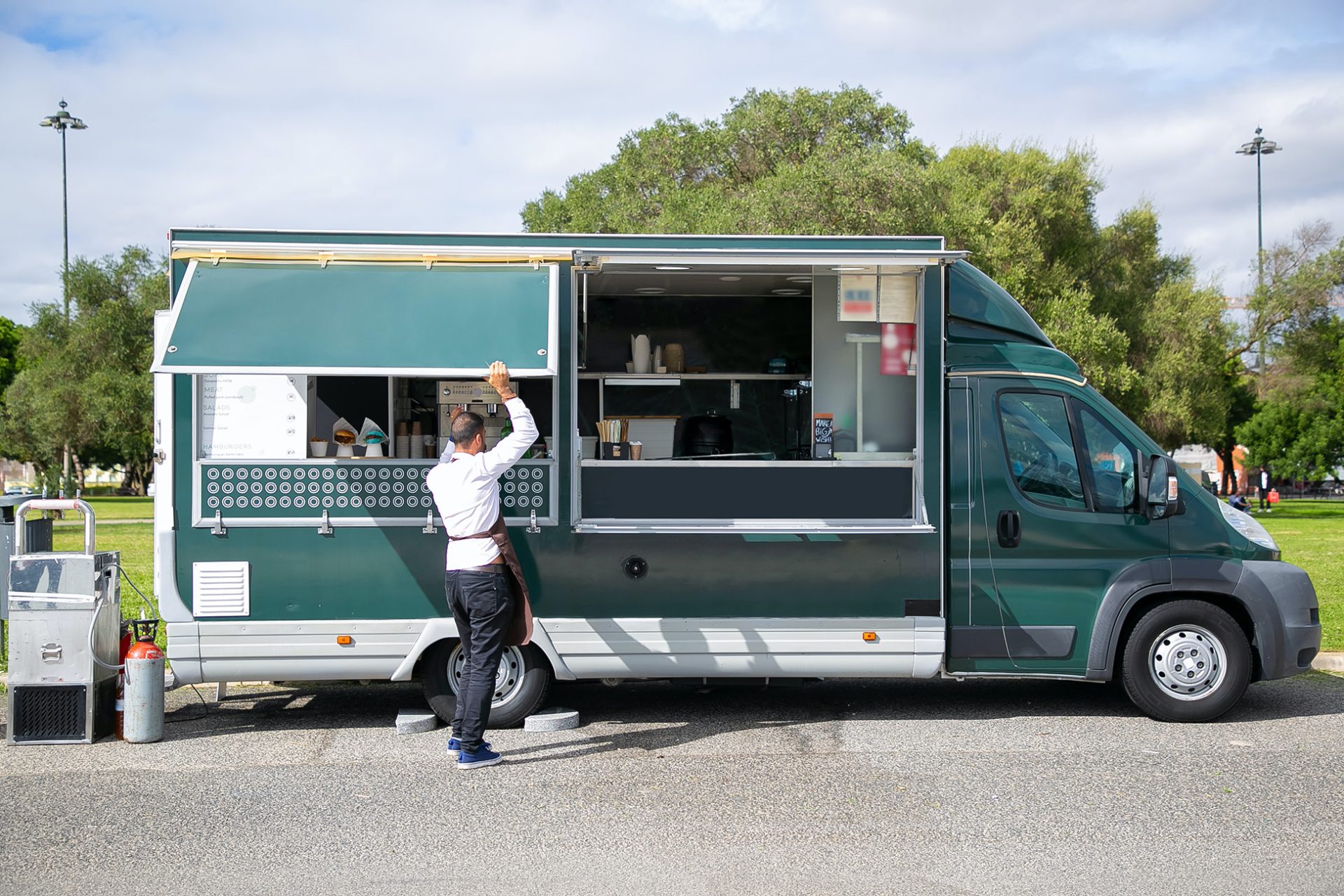
Food trucks and mobile caterers have grown into a popular part of the food business over the past several years. Crowds gather quickly around a mobile kitchen, whether it is parked at an event, on a street corner or right outside an office. A power failure that halts the cooking and leaves hungry customers waiting is the last thing such a business can afford, and that is the problem a mobile catering generator solves.
A suitable food truck generator supplies the power a mobile catering operation depends on, with enough capacity for the lighting, the refrigerator and freezer, the oven, the exhaust system and the drink fountain. Selecting one for your unit is not always straightforward, but above all it has to be reliable and safe.
Keep the following points in mind when choosing and installing a generator for mobile catering:
- Work out the total wattage your food truck needs and choose a generator of matching size. If the plan is to run the oven, fryer, refrigerator, freezer, exhaust system and lights at the same time, a small portable unit will not be enough. Check as well that the generator you pick physically fits in your truck or trailer.
- Fines can be avoided by making sure the generator meets the emission standards where you operate, covering noise as well as clean, environmentally friendly airflow. And if the generator will have a fuel tank of its own instead of drawing from the vehicle's on-board tank, it must be an EVAP generator.
- For steadier power, easier carrying, better fuel economy and quieter running, go with an inverter generator rather than a conventional model.
- Ventilation matters: air must pass freely through the generator's vents so that the unit stays cool, nobody is exposed to carbon monoxide poisoning, and no harmful exhaust gathers near the food.
- Have a professional install the generator, so that it is set up correctly in a ventilated area that is heat resistant and non-flammable. That is the approach our team recommends.


