
How Modern Diesel Engines Control Their Emissions
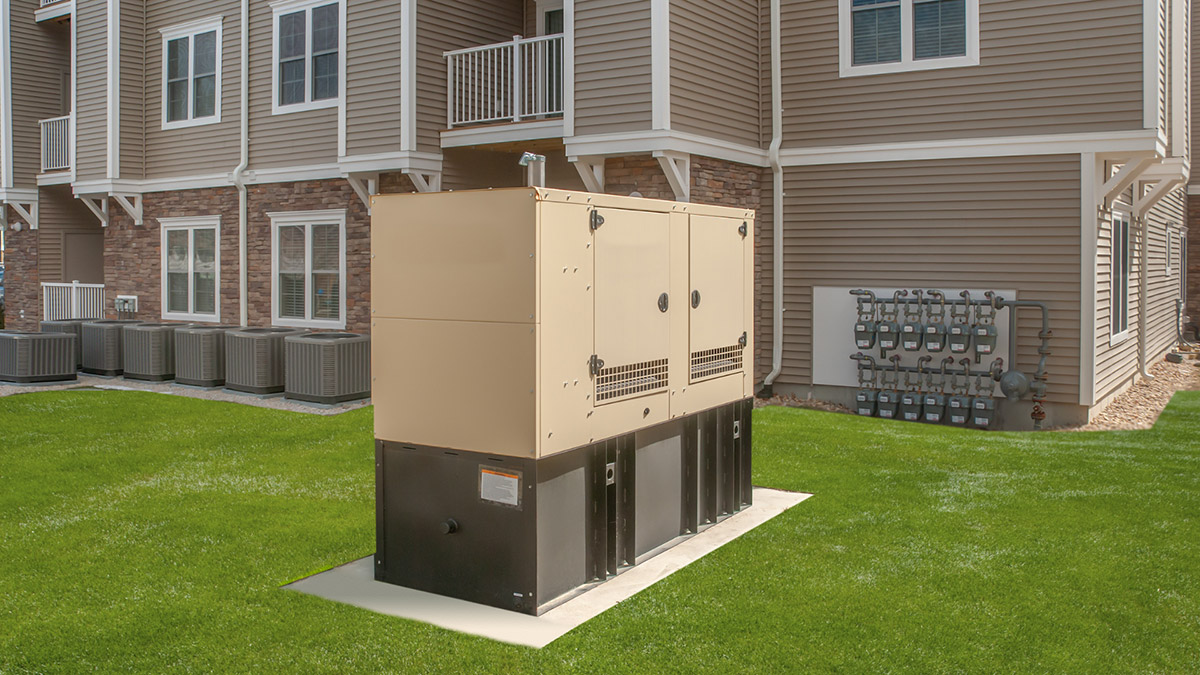
In the United States, the Environmental Protection Agency (EPA) set up a four-tier system to cut emissions from diesel engines. Its emission-reduction rules cover stationary diesel engines as well as non-road mobile ones, generator set engines among them.
From 2011 onward, every stationary diesel engine in non-emergency service has had to meet the same limits that apply to mobile engines, for example those in trucks, locomotives and ships. Emergency backup generators are treated more leniently: they may only run when power is unavailable, apart from testing and maintenance, which is capped at 100 hours a year when there is no emergency.
Why diesel emissions need to come down
The EPA expects its updated emission standards to avoid 12,000 premature deaths a year. Diesel exhaust is hazardous because of what it carries: nitrogen oxides (NOx), unburned hydrocarbons (HC), carbon monoxide (CO) and particulate matter (PM).
In industrial settings, diesel engines are often picked over gas engines for their torque, reliability and fuel economy, which is 30 to 40% better than gasoline. The drawback is that NOx output rises as engines become more efficient and use less fuel.
Emission control technologies for diesel engines
To meet EPA regulations, new diesel engines are built with redesigned combustion chambers, better fuel systems, charge air cooling at low temperature and close attention to how much lube oil they consume.
Heavy-duty diesel engines do work for businesses in tractors, boats, trains, trucks, generators and much more. Before the EPA rules came into force, engine development therefore concentrated on durability, cost, reliability and fuel economy. Many of those older engines are still running, and aftermarket technologies were created to control their emissions. These include diesel oxidation catalysts (DOC) and diesel particulate filters (DPF), as well as alternative fuels: Fischer-Tropsch (F-T) fuels, biodiesels, emulsified fuels, or blends of any of these with regular diesel.


