
Independent Power Producers (IPPs) Explained
An independent power producer, or IPP, is a power plant in private hands. IPPs sit outside the traditional utility grid, which a public entity owns, maintains and regulates, and for that reason they are also called non-utility generators.
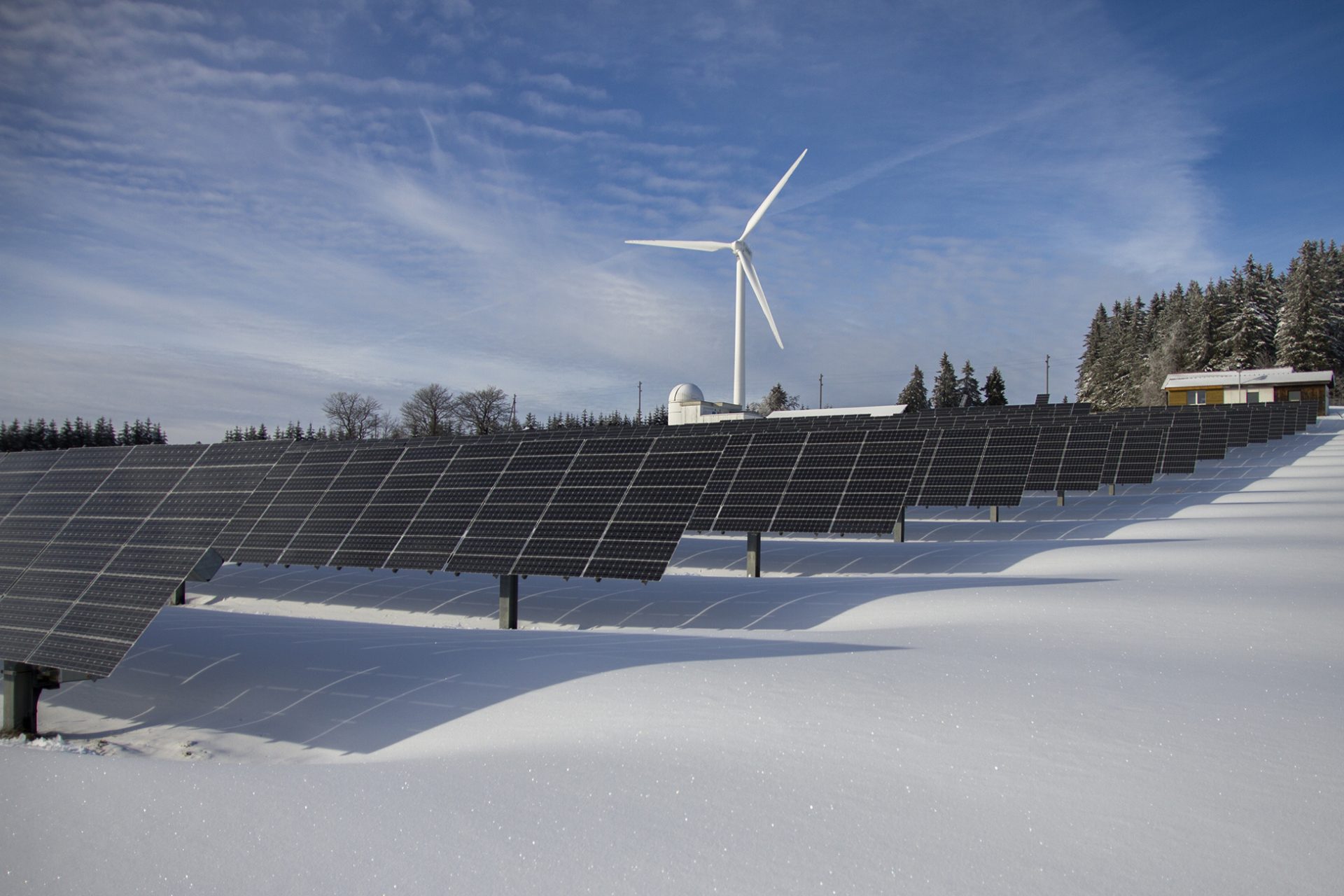
Every power producer that is neither a utility nor a government body counts as an IPP. IPPs run on many kinds of fossil fuel and, more and more, on renewables. Which fuel a given IPP uses depends on several factors: how old the facility is and where it is located, what it costs to start up and operate, politics, and whether the fuel is available. As a result, IPPs as a group use a range of fuels. Nuclear power and natural gas are common choices, reflecting the period when IPPs first appeared. Renewable power, such as electricity from solar and wind cooperatives, is also generated and sold on the IPP model.
IPPs also make use of cogeneration. Cogeneration is common with U.S. IPPs because of the regulations that first permitted independent producers to sell power. Under those rules, cogeneration's efficiency means its output is sold to utilities, end users or both at a preferential rate compared with other ways of producing power.
Some IPPs are built solely to supply power to the company that constructs the plant. Most, though, exist to earn a profit by converting energy and feeding it into the grid. IPPs in this second group sell their output through power purchase agreements (PPAs), either to utilities (wholesale) or to individual businesses (retail).
When IPPs enter an energy market, competition in that region increases and power becomes cheaper for consumers. Compared with publicly owned utilities, IPPs also tend to have funds more readily available to build plants and upgrade infrastructure as demand rises. In the United States, environmental regulations, public education about the effects of power use and the arrival of renewable energy have eaten into the profits of traditional non-utility generators. Power demand in developing countries, together with new approaches that pair fossil-fueled plants with renewables to keep supply balanced, is helping to even out the market.


