
How Fuel Cells Work and Where Businesses Use Them
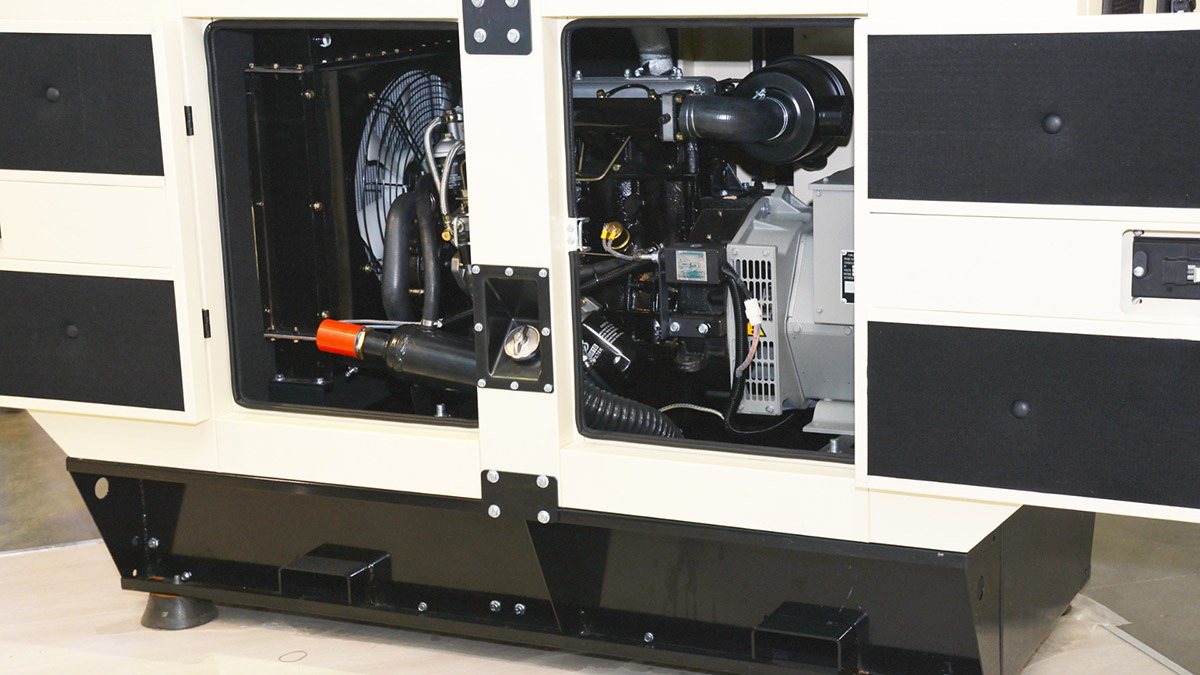
In real-world use, a fuel cell is rarely a single cell. It is a stack of many cells wired to work in parallel, and it makes electricity from chemical energy instead of by burning fuel. Joined together, hundreds of these cells can act as one unit and supply anything from small devices to large operations.
Fuel cells turn roughly 60% of their fuel's energy into power. By that measure they are around two to three times as efficient as combustion engines, and close to double the efficiency of the national electrical grid.
Another advantage is how little they give off. A fuel cell produces only electricity, water and heat. If the fuel is something other than pure hydrogen, the hydrogen first has to be separated from the rest of the fuel, and that can create other by-products. Even then, the carbon dioxide and air pollutants released are lower than a combustion engine would emit. The heat a cell gives off can also be recovered to warm buildings, which raises the overall efficiency of the system further.
Fuel cells can also work alongside other energy sources, such as batteries and renewable generation from solar panels and wind turbines.
A battery eventually runs down, but the reaction inside a fuel cell has no built-in end point: the cell keeps working efficiently for as long as fuel keeps arriving. Efficiency does fall over time when operating conditions are less than ideal, and impurities in the fuel also affect how well a cell performs. Research into making cells more durable and less expensive is aimed at easing these concerns and bringing the technology into wider, more practical use.
Fuel cells already serve as backup and primary power at commercial sites, in transportation, and in small products such as portable chargers for electronics.
Running on Hydrogen
Pure hydrogen is hard to come by. Most of the planet's hydrogen is locked up in water, which has to be split before a fuel cell can use it. Other hydrogen-rich fuels, including biogas, ethanol, methanol, natural gas, gasoline and diesel, also need processing to release their hydrogen.
That processing happens in a reformer, which turns a conventional fuel into hydrogen the cell can use. The reformer may sit upstream of the cell or be built into it. Reforming does give off CO2, though less than a combustion engine would.
How a Fuel Cell Produces Power
Every cell has two electrodes: the anode, which is negative, and the cathode, which is positive. An electrolyte barrier separates them. Hydrogen is supplied to the anode, while oxygen or air reaches the cathode on the other side of the barrier.
At the anode, a catalyst breaks the hydrogen into protons and electrons. The electrolyte lets only the protons through, so the electrons have to travel around the barrier by an outside path, and that flow is the electric current. Once both reach the far side, they join with the oxygen on their own, forming water and releasing heat.
Most fuel cells deliver direct current (DC). Before it can run a home or a business, that power has to be converted to alternating current (AC) and conditioned.
With no moving parts, a fuel cell runs without noise. Compared with other clean-energy generators it also needs far less floor space, which makes it a realistic choice for businesses that are short on room.
Different Kinds of Fuel Cells
There are several fuel cell types. They differ in the materials they are made from, the temperature they run at, how much they produce, where they are used, and their particular strengths and weaknesses. How much power a given cell delivers depends on its type and size and on the temperature, humidity and air pressure it works in.


