
Super Bowl Power Demand, From the Stadium to the Living Room
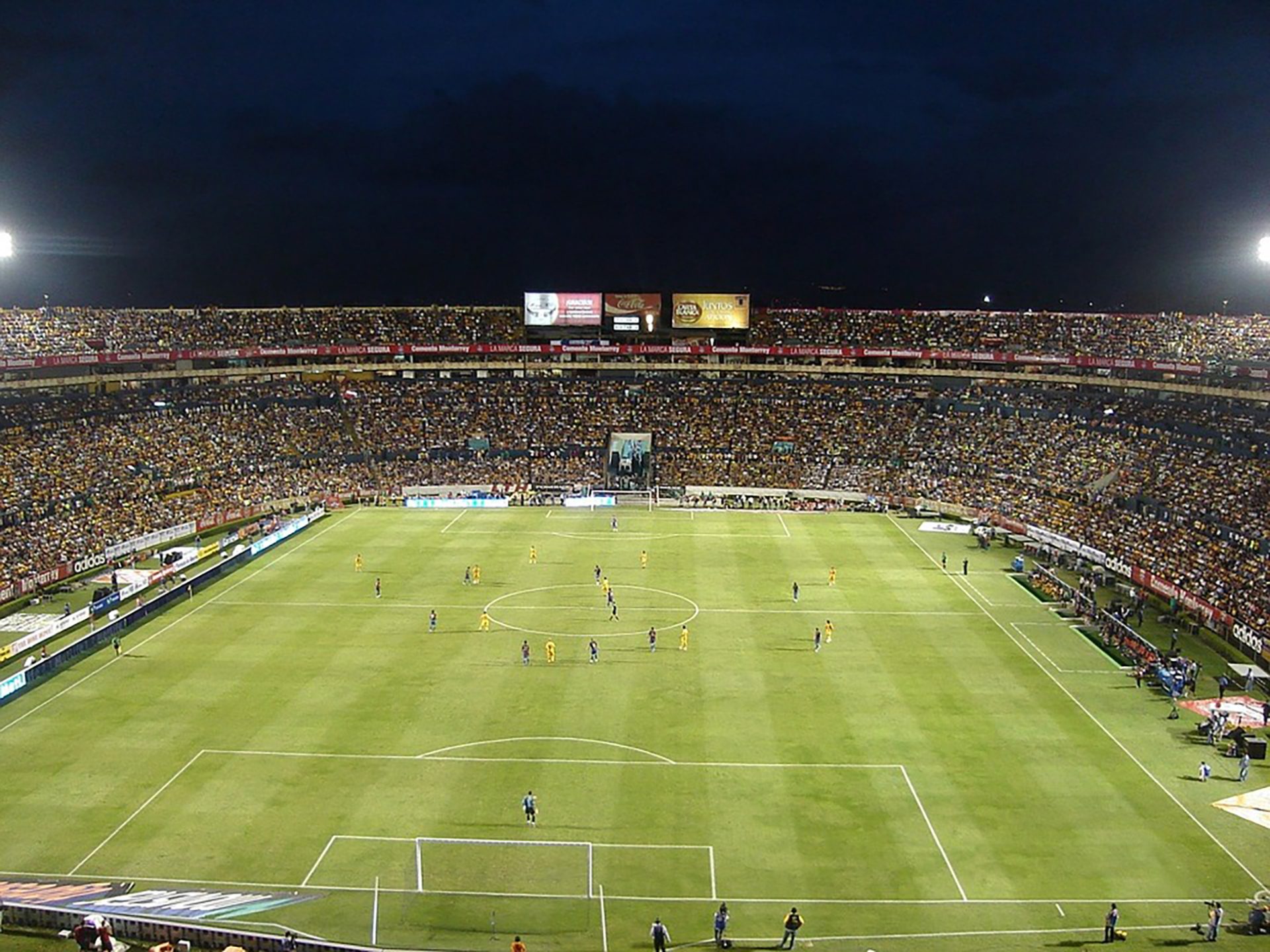
No single sporting event in the U.S. is bigger than the Super Bowl. More than 110 million people follow the game, either in the stands or on TV. Super Bowl LI was set for February 5 at Houston's NRG Stadium.
Staging the game is a complicated and costly operation. Advertisers help cover the overhead, paying upward of $5 million for a 30-second TV spot, yet even that only starts to offset the flood of expenses.
Electricity Use
The cost of power is one Super Bowl expense people rarely consider. Lighting and climate control draw huge amounts of electricity, and so does the television coverage, with its portable lighting and other equipment. During Super Bowl 2013 in New Orleans, held at the Mercedes-Benz Superdome, the power was actually interrupted. After that, hosts worked closely with power companies to keep the electricity supply steady and avoid further interruptions, and backup generators had become a regular sight at the Super Bowl, ready in case the event briefly overwhelms the grid.
Power use and its costs reach well beyond the stadium. Around 30 million TV sets worldwide were expected to show the game, across five hours of coverage, and viewers tend to watch on their biggest, brightest screens. Altogether, those 30 million sets were expected to use around 37.5 GWh, far more electricity than many U.S. states and even some countries use over the same number of hours.
That is not the end of it. Viewers at home run their air conditioning or heating, depending on where they live, and many host Super Bowl parties that use still more power. Home viewing as a whole was expected to reach about 75 GWh, which at electricity prices of the time works out to roughly $8,250,000.
Inside the stadium, the game was estimated to use around 50 MWh, at a cost of $5,500. In total, the Super Bowl's power consumption was expected to cost about $25 million, although anyone with a stake in the event would probably say America's favorite game justifies the expense.


