
Generator Sizing: Working Out How Much Power You Need
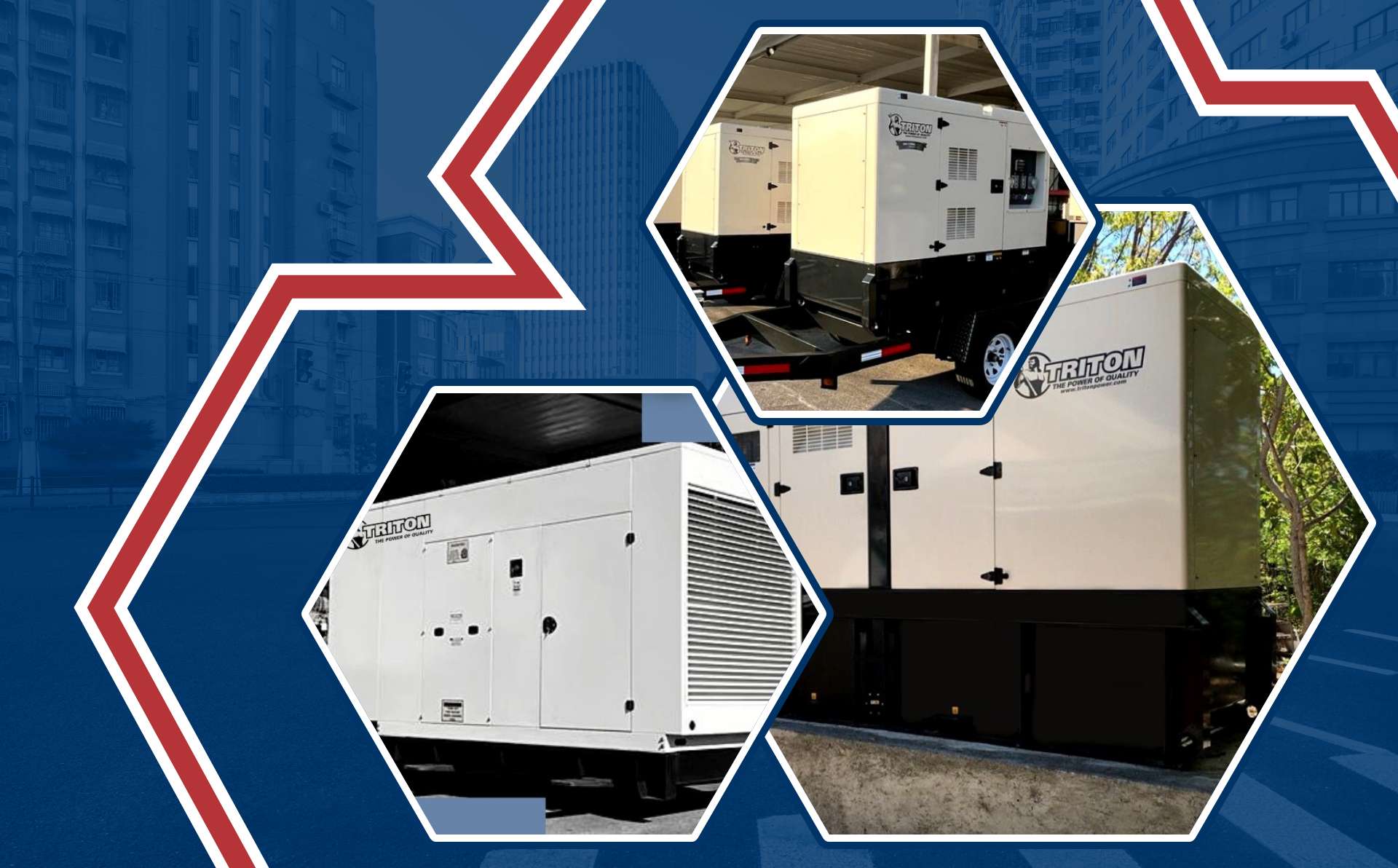
A blackout at home or at work can quickly turn into a safety problem. U.S. Energy Information Administration figures show that the average American goes without power for around 7 hours a year, close to double the figure from ten years earlier. A generator is a practical way to get ready for these more frequent outages, and anyone shopping for one soon asks how large it needs to be. The answer starts with knowing the electrical demand of your home or business, because that figure tells you which generator size to choose.
The most reliable route is to have a certified electrician come out and work out your wattage requirements on site. Every appliance and electronic device adds to the total load of the building, so knowing what each item draws gives you a clearer view of what you need.
If you would rather do the calculation yourself, the steps below walk you through it. We also explain how our team can help you choose suitable mobile generators.
Working Out the Generator Size You Need
In the US, generator output is expressed in watts. Most devices show their wattage on a label or in the owner's manual. When you buy a generator, though, there are two separate output figures to understand, and you need both to size the unit correctly:
- Running watts (continuous power rating) – the power the generator can supply steadily for as long as it runs.
- Starting watts (maximum or surge power) – the extra power the generator can deliver for brief moments to get appliances started.
Take refrigerators: most need 1,200 watts at start-up, yet draw only about 200 watts once they are running. Your generator has to keep all essential appliances running and also have enough surge capacity to start them.
Adding Up Your Electrical Load
To answer "how many watts does my generator need to supply?", total the consumption of each appliance or device in your home or business.
The wattage is usually printed on the device or given in the paperwork that came with it. If it is not listed, there are other ways to find it. A plug-in meter like the Kill A Watt will do the job: connect the appliance through the meter and read the display.
When sizing a backup generator, count only the equipment you cannot manage without. During an outage you can switch off anything that is not needed for the health, comfort and safety of your family or staff.
The sum of the wattage of those essential items is the total your generator must deliver. The list will probably include your:
- Lighting
- Refrigerator
- Furnace
- Air conditioning
- Stove
- Microwave
- Water heater
- Medical equipment
- Laundry equipment
Businesses may also have to include computers and other equipment they rely on.
Units for Generator Power
In the United States, generator output is given in kilowatts (kW), while elsewhere it is usually quoted in kilovolt-amperes (kVA). To find your consumption in kW, convert the watt total you calculated: a kilowatt is 1,000 watts, so divide the total by 1,000. If your appliances and devices add up to 35,000 watts, for example, your load is 35 kW.
If you are not sure, or think you may have missed some equipment, a certified electrician can give you a more precise estimate of your power requirements.
Generator Frequency (Hz)
Frequency, measured in hertz (Hz), is another point to check before buying. It counts how many cycles per second an electrical system completes. The standard in the United States is 60 Hz, but some countries and applications require 50 Hz or another frequency.
So why should you care? Frequency directly affects how well your electrical equipment performs and whether it is compatible. Computers, medical equipment, industrial machinery and other sensitive devices need a stable supply at the correct frequency to work properly. If the frequency drifts from what they need, they can malfunction, lose efficiency or even be damaged.
When choosing a generator and its size, make sure its frequency matches what your equipment requires. Running sensitive devices at the wrong frequency can cause serious problems, so tell us the frequency you need when you send your requirements.
Other Points to Consider When Sizing
A few more factors come into play when deciding on generator size:
- Fuel type: Pick the fuel that matches your preference and what you can get, whether diesel, gasoline, natural gas or propane. Generators are designed for different fuels, and each fuel has its own strengths and drawbacks.
- Runtime: Estimate how long outages typically last where you are. Look for a combination of tank size and fuel efficiency that gives enough runtime without constant refueling.
- Noise level: Think about how loud the generator is, particularly near homes or for field use. Units with lower decibel ratings run more quietly.
- Safety features: Check that the generator includes key protections such as GFCI outlets, low-oil shutdown and overload protection to guard against electrical hazards.
- Requirements abroad: Rules and standards on energy use and safety vary from place to place, so watch for any issues that could come up. For projects abroad, see the export generators section for units meant for use in most parts of the world.
Questions About Generator Size?
If you are unsure what size generator your home or business needs, send us your requirements and our team can help. Whether you are considering standard diesel generators or Tier 4 generators, we can help you compare the options. Get in touch to find the right generators for your application.


