
Dual Fuel Generators: Key Facts Before You Buy or Convert
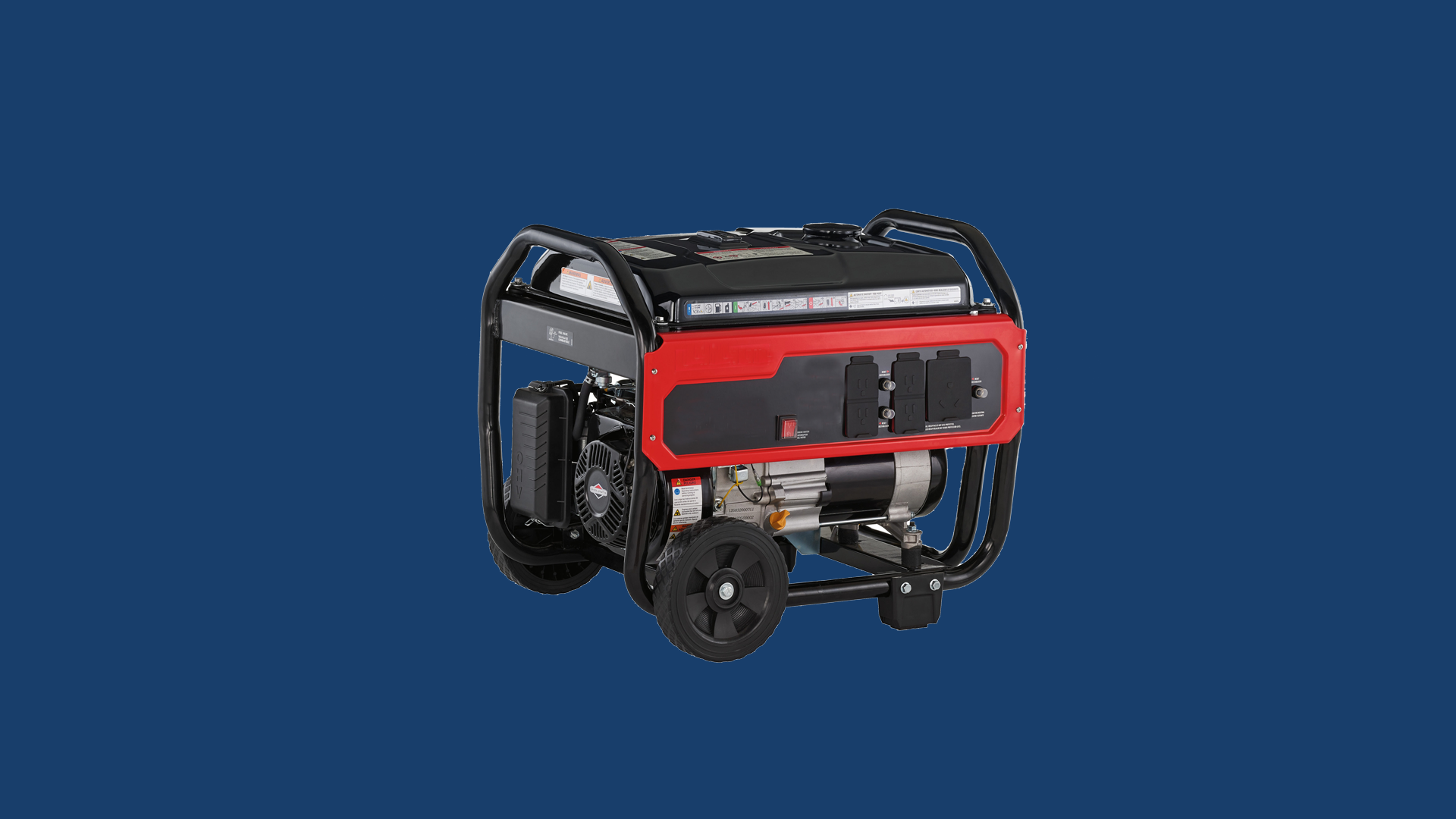
Interest in dual fuel generators is growing because they can offer flexibility and dependability. If you are thinking about buying one, or about converting an existing diesel genset so it can burn two fuels, it helps to understand how the technology works first.
Engines that burn more than one fuel are not new.
Long before the grid could be counted on, multi-fuel engines were a common way to generate power. Engineers were already trying fuel mixtures in the 1890s. The most famous of them was Rudolph Diesel, who paired the fuel that bears his name with natural gas so his engine would run more efficiently.
Dual fuel is different from bi-fuel.
A dual fuel generator burns two fuels at once, usually diesel together with natural gas. According to the engine design and the conditions, the two can be blended in varying ratios or one can be used by itself. Most dual fuel units have to start on diesel only, since diesel ignites at a far lower temperature than natural gas.
A bi-fuel engine, by contrast, runs on one of its two fuels at a time and switches between them. The changeover usually happens automatically, according to whichever fuel is the more efficient choice at that moment.
Dual fuel can lower emissions.
Because natural gas burns more cleanly than diesel, a blend of the two can cut emissions compared with running a generator on diesel alone. That may let you meet the guidelines for non-emergency operation without buying a new genset, which in turn could open the door to peak shaving and other useful, cost-saving non-emergency applications at your facility.
Dual fuel brings other advantages as well.
Another potential benefit is easy access to natural gas: most industrial sites already have a gas supply close by. Since that gas does not have to be held on site, there are no big diesel tanks taking up space and needing upkeep. During an emergency, the gas will probably keep flowing, which stretches the diesel kept on site, and diesel can be hard to replenish in a crisis.
Cleaner combustion also means the oil and other parts of the generator need less routine maintenance.
There are drawbacks to consider.
The composition of natural gas varies widely with geography and with where the gas comes from, and that variation can influence how a dual fuel generator performs. Converting a diesel unit to run on more than one fuel can be expensive too, and depending on the generator's age and how much it runs, the fuel savings may never pay back that cost.


