
What Happens When an Aging Power Grid Breaks Down
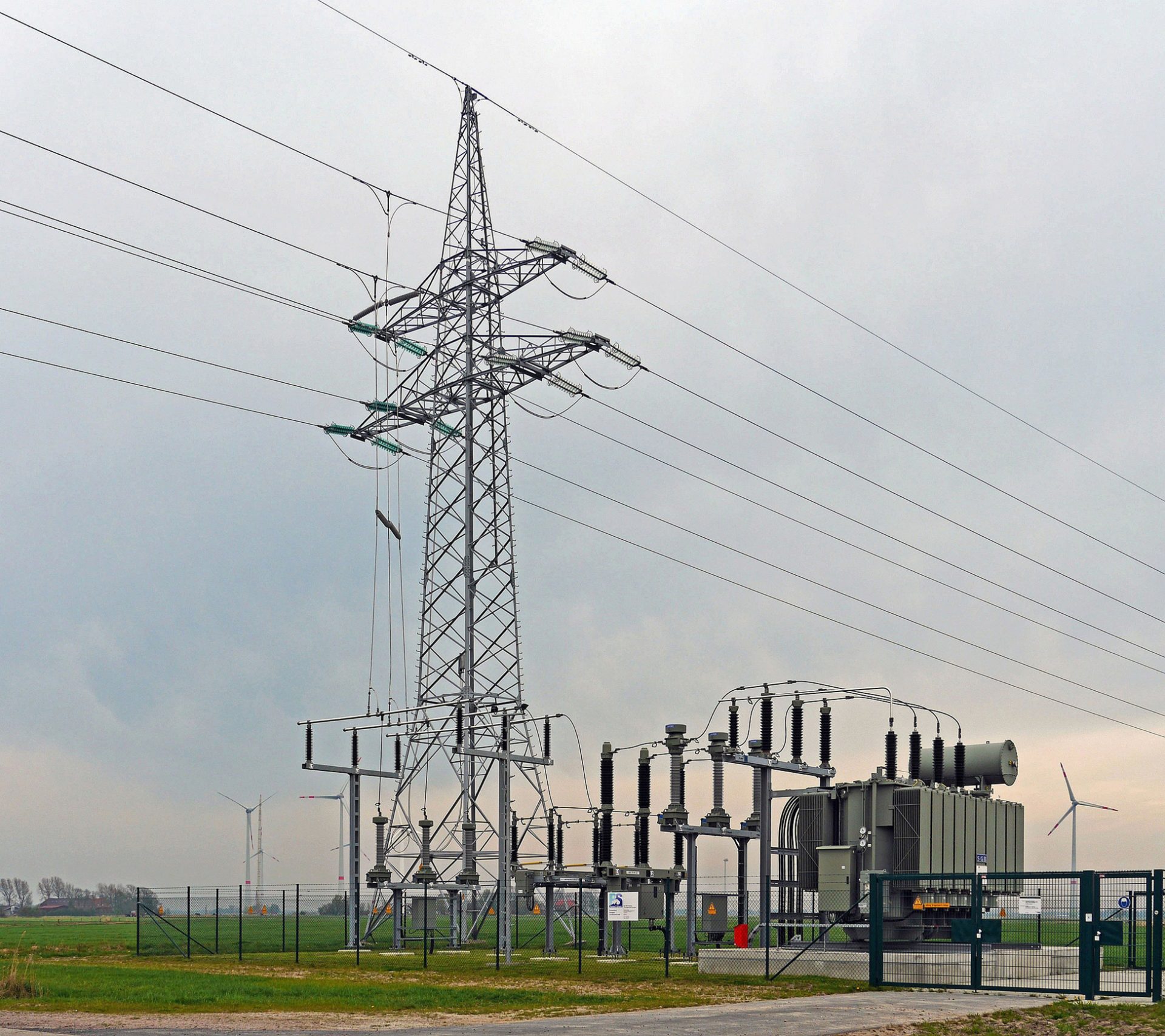
The network of power plants, poles and wires that serves the United States is getting old, and next to other developed nations it keeps slipping in reliability. Connecticut is one of the states that has suffered most.
In 2011 and 2012 the state was struck by three historic storms, and on each occasion upward of 600,000 people were left without electricity for days. The damage went beyond dark rooms. In Marlborough, homes rely on private wells for their water.
Resident Cliff Denniss explains that the well pump is electric, so once the power is gone nothing moves water into the house. That leaves roughly two toilet flushes, he says, and a week-long blackout becomes genuinely hard going.
All three storms left Marlborough dark for a week. These days his wife, Dorothy, runs a bath full of water before a major storm, though she concedes it won't last through seven days without power. You stop flushing after every use, she says, and she asks you to take her word for it.
Fuel pumps at the town's gas stations stopped working. Phone batteries ran flat. Perishable food spoiled unless somebody ate it first.
Dorothy Denniss says she ate filet mignon all week. She had just bought a whole one and had it cut into steaks, and once the freezer lost power she decided the household had no choice but to eat it.
New England averages three and a half hours without power in a typical year; in Japan the figure is four minutes. No other wealthy country does as badly as the U.S., and the price in lost output and lost work is put at around $80 billion.
The earliest electric "utility" system was Edison's, built in Manhattan in 1882. It worked much like a neighborhood drugstore: a local business whose generators sat in the same area as the customers they supplied. That model did not survive. Two of Edison's competitors, Nikola Tesla and George Westinghouse, worked out how to carry power over long distances, so electricity could come from large sources a long way off.
Hirsh notes that Westinghouse sent power from a hydroelectric plant at Niagara Falls to Buffalo, roughly 20 miles away.
Moving electricity long distances proved cheaper and more efficient, and the result was a national hub-and-spoke network of poles and lines.
Over time that network aged while spending on it fell behind. Since the 1980s, the number of power failures has tripled.
Until serious money goes into fixing these weaknesses, a backup generator is a practical way to make sure you have power when you need it. Call +1 251-314-4812 to learn what a Triton Diesel Generator could do for your home or business.


