
Choosing a Diesel Fuel Tank for Your Generator
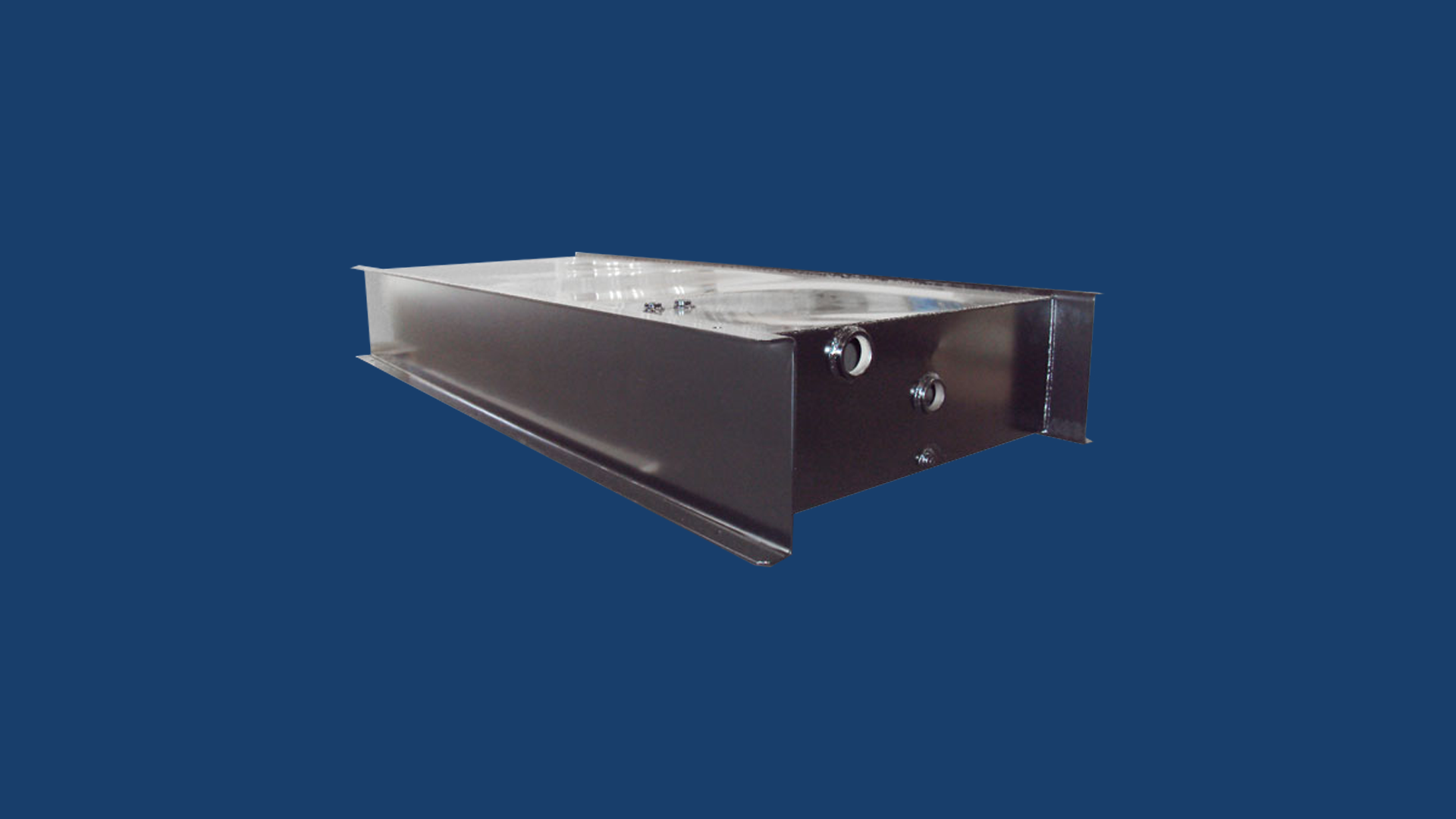
Fitting a genset with a fuel tank means it can start whenever it is needed and keep running for long stretches. The right diesel tank for your site depends on several factors, among them the capacity you require (work it out from fuel consumption and the runtime you want), how much space you have, and the local climate.
State and local rules can also shape the choice. Certain facilities, hospitals among them, must have a tank big enough to keep the generator running for a set minimum number of hours. Other rules deal with protecting the environment. Expect the fire marshal to look over your plans before any fuel storage goes in, to confirm that the installation will comply with the applicable regulations.
Modern diesel generator tanks come with features that improve safety and lower costs over time. Useful ones to look for include leak detection, a fire safety valve and double-wall construction.
Generator Subbase Fuel Tanks
A subbase tank sits underneath the generator's engine and holds between 100 and 3,000 gallons. Its height, length and width can be tailored to reach a particular capacity or to fit a particular footprint. A generator enclosure can shield the tank from the weather, and its steel walls often get a powder coating for added protection.
Remote Fuel Tanks for Generators
When more runtime is needed, a remote tank can feed the genset, whether or not it also has a subbase tank. Remote tanks tend to be bigger, though sizes begin at 60 gallons. They come in underground and aboveground versions, and each type has its own advantages.
Underground tanks are built from a plastic-based material, sometimes with a second material such as concrete added to protect the surrounding environment. They cost more to install and to maintain than aboveground tanks, but being buried keeps them safe from the weather, including cold, and from natural disasters.
Aboveground remote storage uses steel tanks, just as base-mounted tanks do. These are cheaper to install and easier for facility staff to reach for maintenance. On the other hand, they take up more ground, and they must be placed a specified distance away from buildings to reduce the fire risk.


