
Reasons to Pick a Diesel Generator
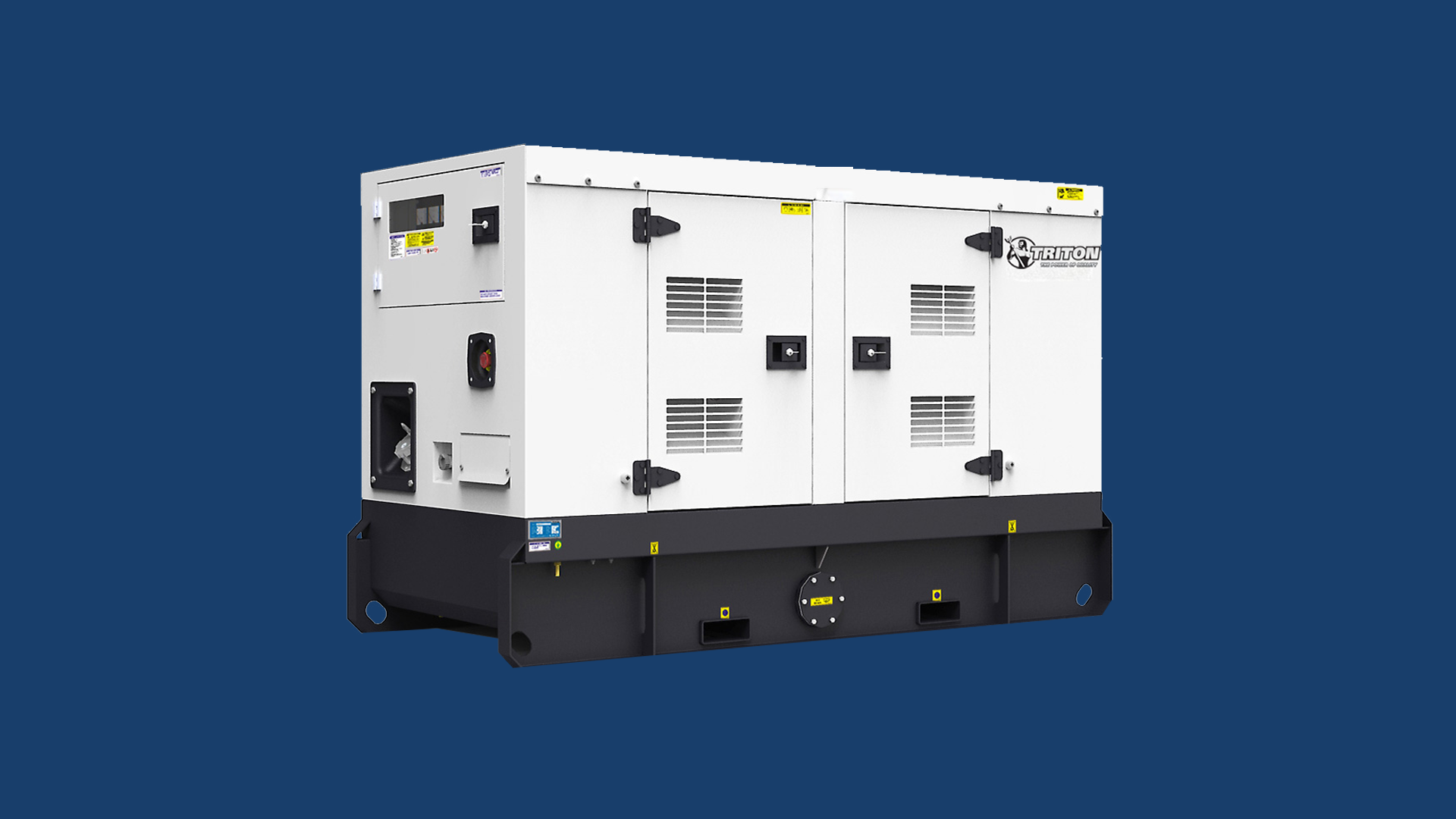
When fuel prices are hard to predict, a generator needs to be long-lived, reliable and economical to run. Diesel engines have a long record of efficient, economical operation. A given volume of diesel holds more usable energy than the same volume of gasoline, which is why diesel cars get better mileage and why diesel suits heavy-duty transport and equipment.
Diesel engines bring several advantages:
- Newer models are relatively quiet and inexpensive to maintain.
- Their heavier construction lets them cope with the stresses of higher compression.
- Their fuel economy is typically 25 to 30 percent higher than that of gasoline engines with similar performance.
- With no spark plugs or distributors, they never need an ignition tune-up.
- Gasoline engines generally have a much shorter service life than diesel engines.
Diesel engines serve as mechanical drives, as power generators and in mobile equipment. They turn up in nearly every industry; look under the hood of the machinery you pass each day and you will often find one. Industrial diesel engines and diesel generators are used in construction, mining, marine work, hospitals, forestry, telecommunications, underground operations and agriculture, among many other fields. The main job of diesel generators is producing power, either as a prime source or as standby backup.
Diesel generator sets, also called electrical generator sets, are found at a huge number of commercial and industrial sites. They can serve small loads such as homes as well as larger ones like hospitals, industrial plants and commercial buildings. They work either as the prime power source or as standby/backup power, and they come in many sizes and specifications. Sets rated 5-30 kW are usually chosen for simple personal uses, while industrial applications span a broader band of ratings, covering anything from 30 kW up to 6000 kW, across many industries worldwide.


