
Load Testing Generator Batteries and Why It Matters
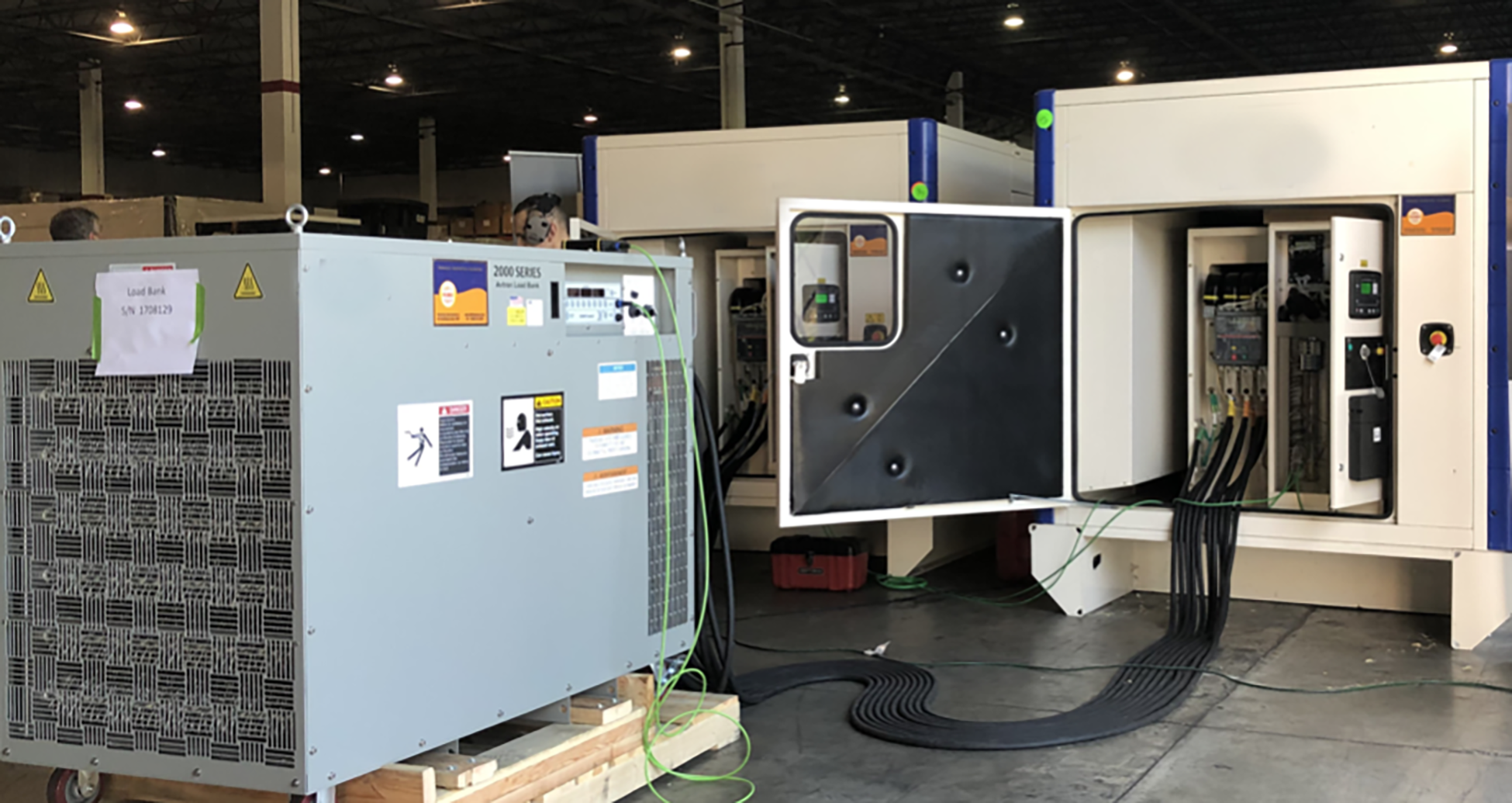
Faulty batteries are the most common reason a standby generator fails to start when it is needed. To guard against that, load test the batteries, together with the rest of the generator's components, at regular intervals. Batteries deteriorate as they age, so a test under load is essential for an accurate picture of their performance.
Start with a visual inspection before any battery load test. Loose cable connections, a battery that has come disconnected from its charger, and debris or corrosion all reduce battery performance, and all are easy to put right.
Some problems that shorten battery life and hurt performance cannot be seen in a quick visual check. Sulfation buildup, which forms when battery acid is discharged or its level runs low, is one; lead debris is another. Their effect, though, shows up clearly in a load test as weaker performance from both the batteries and the generator.
What does a load bank do?
A load bank is an electrical device wired temporarily into a generator to simulate conditions in which the generator has to run at full capacity. It raises the output demanded from the generator step by step until the unit reaches full capacity.
DC and AC load tests
A DC load test focuses on the battery and measures how it performs. An AC load test, by contrast, makes the entire generator run at a set kilowatt output.
How a generator battery is load tested
To load test the battery bank inside a generator, you need a battery load tester. A load test exposes weak batteries more readily than a basic multimeter check does, because the batteries must keep supplying power for an extended stretch after spending charge on starting the generator.


