
Staying Safe When Winter Weather Arrives
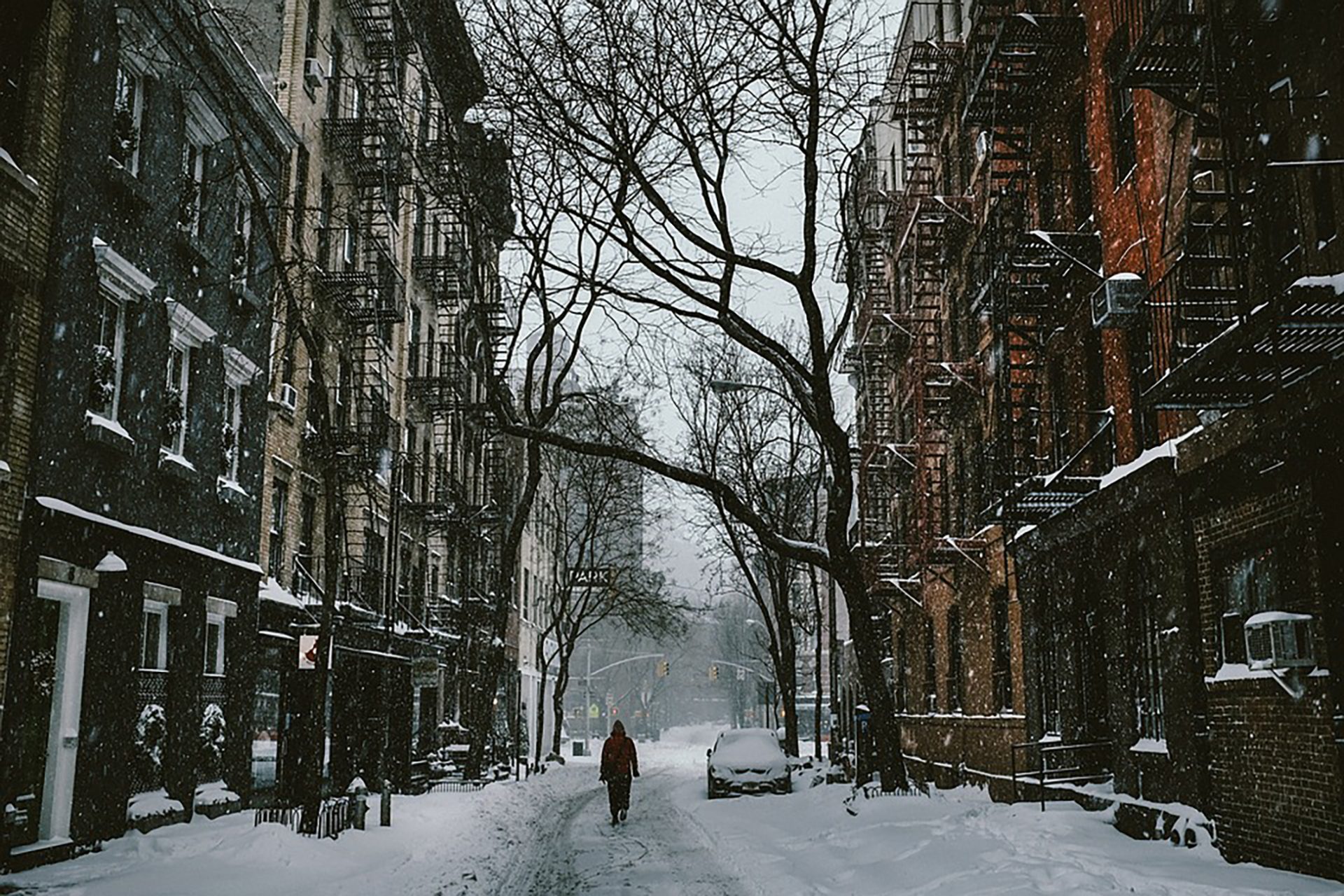
As summer heat fades and fall brings cooler temperatures, the seasonal hazards change too. Drought and wildfires, typical of the hot months, give way to the problems that come with cold weather.
The tips below can help you get ready for winter and reduce the trouble that cold-season conditions can cause:
- Snow and ice – A thick layer of snow and ice can bring an entire region to a standstill for days. Stay off snowy or icy roads unless you have no choice. Keep tire chains in the car even when the forecast looks fine, since snow can arrive without warning. Keep a cellphone with you at all times, fully charged; in an emergency it may be what gets you help. Heavy snowfall can also knock out power, so make sure your home can keep going by having an emergency diesel generator ready.
- Severe cold – Extreme cold can put your life at risk. Frostbite can end in the amputation of affected extremities, and hypothermia can kill. Staying inside when temperatures fall to dangerous levels avoids both. If you must travel or go outdoors, dress in several warm layers and add water-repellent outerwear for extra protection.
- Flooding – In winter, flooding can follow a fast-moving storm, or snowmelt when a warm day comes after a snowfall. Never drive onto a flooded street; there is no way to judge how strong the current is. If floodwater threatens your home, be prepared to leave at short notice, keep the essentials for survival close at hand, and know where you could evacuate to.
- High winds – Winter storms can bring winds above 100 mph. Gusts are particularly dangerous for tall vehicles, so if you are driving in strong wind, keep well back from trucks and buses, which can be blown over.
- Fog – Fog cuts visibility on the road dramatically, and poor visibility has been behind many deadly multi-vehicle pile-ups. Avoid driving in it if you can. If you can't, leave a larger gap than usual to the vehicle ahead so you have time to respond to anything in the road.
Winter storms and cold temperatures carry real risks. Planning ahead for every likely hazard, from heavy snow and severe cold to high winds, flooding and fog, is how you protect yourself, and being ready can save lives.


